
When you suspect that animals may have taken up residence under your house, there are several signs to look for. One of the most obvious indicators is the sound of scratching or scurrying noises coming from beneath your floorboards. These sounds can vary in intensity and frequency, often becoming more pronounced at night when the animals are most active.
If you hear these noises consistently, it’s a strong signal that you may have an infestation on your hands. Additionally, you might notice other signs such as droppings, which can vary in size and shape depending on the type of animal. Finding these droppings can be unsettling, but they are crucial for identifying the species that may be causing the disturbance.
Another sign to watch for is the presence of gnaw marks on wooden beams or insulation. Animals like rodents have a natural instinct to chew on materials to keep their teeth from growing too long. If you notice bite marks or shredded insulation, it’s a clear indication that you have unwelcome guests.
Furthermore, you might find nesting materials such as shredded paper, fabric, or leaves scattered around the area. These materials are often used by animals to create a comfortable living space. If you observe any of these signs, it’s essential to take action quickly to address the potential infestation before it escalates.
Key Takeaways
- Signs of an animal infestation include scratching or scurrying sounds, droppings, and gnaw marks on wood or wires.
- Common animals that may be scratching under your house include rats, mice, squirrels, raccoons, and opossums.
- Dangers of having animals under your house include damage to property, health risks from droppings, and potential aggression from the animals.
- You can identify the type of animal based on the scratching sounds by considering the time of day, frequency of the sounds, and the size of the animal.
- If you suspect an animal under your house, take steps such as inspecting the area, setting traps, and sealing entry points to prevent further access.
Common Animals That May Be Scratching Under Your House
Several types of animals are known to seek shelter under homes, and understanding which ones might be causing the disturbance can help you address the issue effectively. One of the most common culprits is the house mouse. These small rodents are adept at squeezing through tiny openings and can create nests in warm, dark spaces.
If you hear scratching sounds that resemble quick, light movements, it’s likely that mice are the source of your troubles. They are not only a nuisance but can also pose health risks due to their droppings and urine. Another frequent visitor is the raccoon.
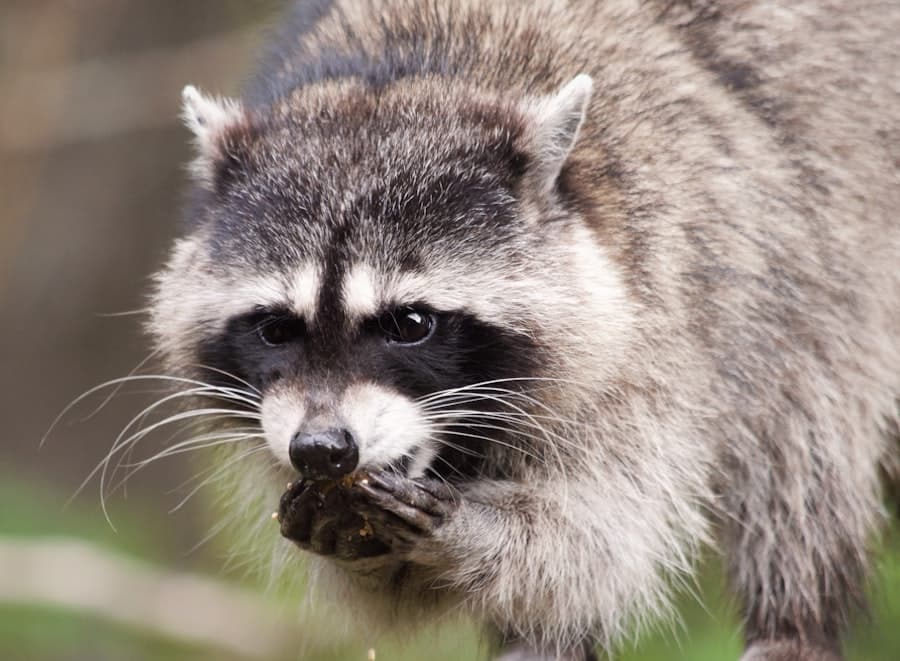
These larger animals are known for their dexterous paws and can easily access attics and crawl spaces. If you hear heavier scratching sounds accompanied by occasional thuds, raccoons may be the ones causing the ruckus. They are particularly notorious for rummaging through garbage and can create significant messes if they find their way into your home.
Additionally, opossums and squirrels are also common offenders. Opossums tend to be quieter but can still create disturbances, while squirrels are known for their energetic movements and loud chattering. Identifying the specific animal can help you determine the best course of action for removal.
Dangers of Having Animals Under Your House

Having animals living under your house can lead to a variety of dangers that extend beyond mere inconvenience. One of the primary concerns is health-related risks. Many animals carry diseases that can be transmitted to humans through direct contact or indirectly through droppings and urine.
For instance, rodents are known carriers of hantavirus and leptospirosis, both of which can have serious health implications. The presence of these animals increases the risk of contamination in your living space, especially if they gain access to food sources. In addition to health risks, animals can cause significant structural damage to your home.
Rodents and other critters often chew on electrical wires, insulation, and wooden beams, which can lead to costly repairs and even fire hazards. The longer these animals remain undetected, the more damage they can inflict. Furthermore, their nesting materials can create blockages in ventilation systems, leading to poor air quality in your home.
It’s crucial to address any signs of an infestation promptly to mitigate these dangers and protect both your health and your property.
How to Identify the Type of Animal Based on the Scratching Sounds
Identifying the type of animal based on the sounds you hear can be a valuable skill when dealing with an infestation. Different animals produce distinct sounds that can help you narrow down the possibilities. For example, if you hear rapid scratching or scurrying noises that seem light and quick, it’s likely that you’re dealing with mice or small rodents.
Their movements are often characterized by a flurry of activity as they dart around in search of food or nesting materials. On the other hand, if the sounds are heavier and more deliberate, it could indicate larger animals like raccoons or opossums. Raccoons tend to make more noise as they move about due to their size and weight, often accompanied by grunting or chattering sounds.
Squirrels also produce a unique sound pattern; their movements are often punctuated by quick bursts of activity followed by pauses as they survey their surroundings. By paying close attention to these auditory cues, you can gain insight into which animal may be residing under your house and tailor your response accordingly.
Steps to Take if You Suspect an Animal Under Your House
If you suspect that an animal is living under your house, it’s essential to take immediate action to address the situation effectively. The first step is to confirm your suspicions by conducting a thorough inspection of the area beneath your home. Look for signs such as droppings, gnaw marks, or nesting materials that can provide clues about the type of animal present.
It’s important to approach this task with caution; wearing gloves and a mask can help protect you from potential health risks associated with animal droppings. Once you’ve gathered enough evidence to support your suspicions, consider setting up traps or deterrents specifically designed for the type of animal you believe is present. For smaller rodents like mice, snap traps or live traps can be effective solutions.
If larger animals like raccoons are involved, it may be necessary to use more robust traps or deterrents such as motion-activated lights or noise devices to encourage them to leave. However, if you feel uncomfortable handling this situation on your own or if the infestation appears extensive, it may be wise to consult with a professional wildlife removal service.
Preventing Animals from Entering Your Home
Prevention is key when it comes to keeping animals from entering your home in the first place. One of the most effective strategies is to conduct a thorough inspection of your property for potential entry points. Look for gaps around pipes, vents, and foundations where animals could squeeze through.
Sealing these openings with appropriate materials such as steel wool or caulk can significantly reduce the likelihood of an infestation. Additionally, maintaining a clean outdoor environment is crucial in deterring animals from approaching your home. Ensure that trash cans are securely closed and that food sources such as pet food or birdseed are stored in airtight containers.
Keeping your yard tidy by trimming overgrown vegetation and removing debris can also make your property less appealing to wildlife seeking shelter. By taking these proactive measures, you can create an environment that discourages animals from making themselves at home under your house.
Hiring a Professional to Remove the Animal Safely
If you find yourself overwhelmed by an animal infestation or unsure how to proceed with removal efforts, hiring a professional wildlife removal service may be your best option. These experts have the knowledge and experience necessary to handle various types of infestations safely and humanely. They can assess the situation thoroughly, identify the specific animal involved, and implement effective removal strategies tailored to your needs.
Moreover, professionals are equipped with specialized tools and techniques that ensure both your safety and that of the animal being removed. They understand local laws regarding wildlife removal and will adhere to ethical practices throughout the process. By entrusting this task to experts, you can have peace of mind knowing that the situation will be handled efficiently while minimizing any potential harm to both yourself and the animal.
Repairing and Sealing Entry Points to Prevent Future Infestations
Once an animal has been successfully removed from under your house, it’s crucial to take steps to prevent future infestations from occurring. Begin by repairing any damage caused during the infestation process; this may involve replacing insulation or repairing gnawed wires and beams. Addressing these issues not only restores your home’s integrity but also eliminates potential hiding spots for new invaders.
After repairs are made, focus on sealing all entry points identified during your initial inspection. Use durable materials such as metal mesh or heavy-duty caulk to close off gaps around pipes, vents, and foundations effectively. Regularly inspect these areas for signs of wear or new openings that may develop over time.
By being proactive in maintaining your home’s defenses against wildlife, you can significantly reduce the risk of future infestations and enjoy a safer living environment for yourself and your family.
If you are wondering what animal is scratching under your house, you may want to consider contacting the best pest control service in Oakland, California. They can help identify and remove any unwanted critters causing a disturbance. For more information on pest control services in other areas, such as Tucson, Arizona or Portland, Oregon, check out this article for additional recommendations.
FAQs
What are common animals that scratch under houses?
Common animals that may scratch under houses include raccoons, opossums, skunks, rats, mice, and squirrels.
Why do animals scratch under houses?
Animals may scratch under houses to find shelter, build nests, or search for food. They may also be attracted to the warmth and protection that the space under a house provides.
How can I identify the animal scratching under my house?
You can identify the animal scratching under your house by listening to the sounds it makes, examining any tracks or droppings left behind, and observing any other signs of its presence, such as burrows or holes.
Is it dangerous to have animals scratching under my house?
Having animals scratching under your house can be dangerous as they may cause damage to the structure, create unsanitary conditions, and potentially carry diseases. It is important to address the issue promptly.
What should I do if I hear an animal scratching under my house?
If you hear an animal scratching under your house, it is recommended to contact a professional wildlife removal service to safely and humanely address the situation. Attempting to handle the situation on your own can be dangerous and may not effectively resolve the issue.