
In recent years, the conversation surrounding sustainable food sources has taken a fascinating turn with the rise of invasive insects as a viable option. As you navigate through the complexities of climate change, overpopulation, and dwindling natural resources, the idea of consuming insects may seem unconventional. However, these creatures, often viewed as pests, are emerging as a sustainable solution to global food challenges.
With their rapid reproduction rates and minimal environmental footprint, invasive insects present an opportunity to rethink our food systems and embrace a more sustainable future. The increasing awareness of the environmental impact of traditional livestock farming has prompted many to explore alternative protein sources. Invasive insects, such as crickets and mealworms, are not only abundant but also require significantly less land, water, and feed compared to conventional livestock.
As you delve deeper into this topic, you will discover how these tiny creatures can play a pivotal role in addressing food security while also contributing to ecological balance. The rise of invasive insects as a sustainable food source is not just a trend; it represents a paradigm shift in how you can approach your diet and the planet’s health.
Key Takeaways
- Invasive insects can be a sustainable food source due to their abundance and minimal environmental impact.
- Invasive insects can have a negative impact on the environment, disrupting ecosystems and causing economic damage.
- Invasive insects have great culinary potential, offering a unique and flavorful addition to dishes.
- Overcoming the “yuck” factor is crucial in changing perceptions of insect consumption and promoting its acceptance.
- Invasive insects are a nutrient-rich food source, high in protein, healthy fats, and essential vitamins and minerals.
The Environmental Impact of Invasive Insects
When considering the environmental impact of food production, invasive insects stand out for their low ecological footprint. Unlike traditional livestock farming, which contributes to deforestation, greenhouse gas emissions, and water pollution, the farming of invasive insects requires far fewer resources. You may be surprised to learn that crickets, for instance, emit 80% less greenhouse gas than cattle while producing the same amount of protein.
This stark contrast highlights the potential of insects to mitigate climate change and promote sustainability. Moreover, invasive insects can thrive on organic waste, converting it into high-quality protein. By utilizing food scraps and agricultural byproducts as feed, these insects can help reduce waste and promote a circular economy.
As you consider your own consumption habits, think about how embracing invasive insects could contribute to a more sustainable food system. By reducing reliance on resource-intensive livestock farming, you can play a part in preserving ecosystems and promoting biodiversity.
The Culinary Potential of Invasive Insects
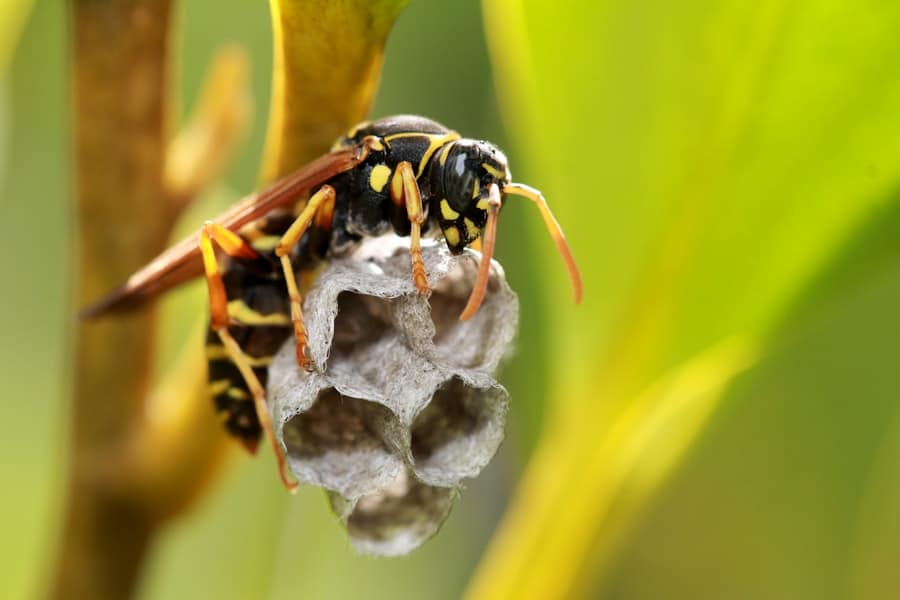
The culinary potential of invasive insects is vast and varied, offering an exciting avenue for innovation in the kitchen. As you explore this realm, you will find that these insects can be transformed into a multitude of dishes, from protein bars to gourmet meals. Chefs around the world are beginning to experiment with insect-based ingredients, creating unique flavors and textures that challenge traditional culinary norms.
Imagine incorporating cricket flour into your favorite baked goods or using mealworm powder as a protein boost in smoothies. In addition to their versatility in cooking, invasive insects are also rich in flavor. Many people who have tried dishes featuring crickets or grasshoppers describe them as nutty or earthy, adding depth to various recipes.
As you expand your culinary repertoire, consider how these ingredients can enhance your meals while also contributing to sustainability. The potential for creativity is limitless; from savory snacks to sweet treats, invasive insects can elevate your dining experience while promoting a more eco-friendly lifestyle.
Overcoming the “Yuck” Factor: Changing Perceptions of Insect Consumption
One of the most significant barriers to embracing invasive insects as a food source is the “yuck” factor that many people experience when confronted with the idea of eating bugs. This aversion is often rooted in cultural norms and misconceptions about hygiene and taste. However, as you begin to explore the world of insect consumption, it becomes clear that changing perceptions is essential for widespread acceptance.
Education plays a crucial role in this process; by learning about the nutritional benefits and environmental advantages of eating insects, you can help shift attitudes within your community. To overcome this stigma, it is essential to highlight the culinary creativity surrounding insect-based dishes. As more chefs and food enthusiasts experiment with these ingredients, they are showcasing the delicious possibilities that exist beyond traditional protein sources.
You might find that trying insect-based snacks or meals at local restaurants can help desensitize your palate and open your mind to new flavors. By sharing your experiences with friends and family, you can contribute to a cultural shift that embraces insects as a sustainable and nutritious food source.
Invasive Insects as a Nutrient-Rich Food Source
Invasive insects are not only environmentally friendly but also packed with essential nutrients that can benefit your health. These tiny creatures are rich in protein, healthy fats, vitamins, and minerals, making them an excellent addition to your diet. For instance, crickets contain about 60% protein by weight and are an excellent source of B vitamins, iron, and calcium.
As you consider your nutritional needs, incorporating invasive insects could provide a unique solution to meet your dietary requirements. Furthermore, the amino acid profile of insect protein is comparable to that of traditional meat sources. This means that by including invasive insects in your meals, you can enjoy high-quality protein without the negative environmental impact associated with livestock farming.
As you explore different ways to incorporate these nutrient-rich foods into your diet, you may find that they not only enhance your health but also contribute to a more sustainable lifestyle.
The Role of Invasive Insects in Global Food Security
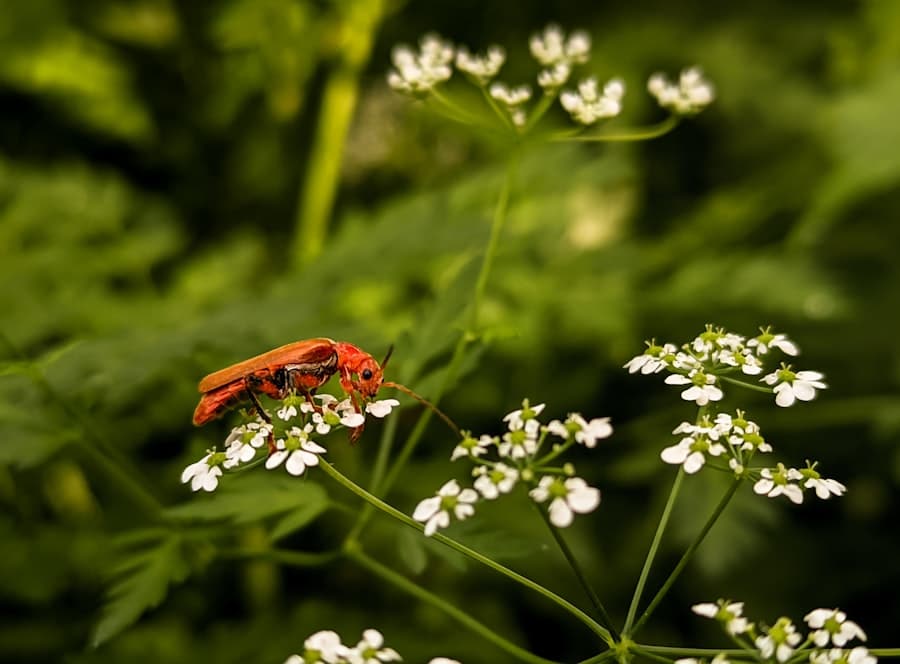
As global populations continue to rise and resources become increasingly scarce, the role of invasive insects in addressing food security cannot be overstated. With their rapid reproduction rates and ability to thrive in diverse environments, these insects offer a promising solution to feed the growing population. You may be surprised to learn that experts predict that by 2050, the world will need to produce 70% more food than it does today.
Invasive insects could play a crucial role in meeting this demand while minimizing environmental degradation. In addition to their potential as a food source for humans, invasive insects can also serve as feed for livestock and aquaculture. By providing an alternative protein source for animal feed, we can reduce the pressure on traditional feed crops and promote more sustainable agricultural practices.
As you consider the future of food security, think about how embracing invasive insects could help create a more resilient food system that benefits both people and the planet.
Creative Ways to Incorporate Invasive Insects into Everyday Cuisine
Incorporating invasive insects into your everyday cuisine may seem daunting at first, but there are numerous creative ways to do so without sacrificing flavor or enjoyment. One simple approach is to start with insect-based snacks or protein bars that are readily available in health food stores or online. These products often contain cricket flour or mealworm powder and can be an easy introduction to insect consumption.
You might also consider experimenting with insect-based recipes at home. For example, try adding roasted crickets or mealworms to salads for an added crunch or blending cricket flour into pancake batter for a nutritious breakfast option. As you become more comfortable with these ingredients, you can explore more complex dishes like insect tacos or stir-fries featuring grasshoppers or silkworms.
The key is to approach this culinary adventure with an open mind and a willingness to experiment.
The Cultural Significance of Insect Consumption in Different Societies
In many cultures around the world, insect consumption is not only accepted but celebrated as a traditional practice. From Mexico’s chapulines (toasted grasshoppers) to Thailand’s fried crickets, these delicacies have deep cultural roots and are often associated with community gatherings and celebrations. As you explore the cultural significance of insect consumption, you will discover that these practices are often tied to local ecosystems and agricultural traditions.
Understanding the cultural context of insect consumption can help you appreciate its value beyond mere sustenance. By embracing these traditions and incorporating them into your own culinary practices, you can foster a greater connection to global food systems while promoting sustainability. As you share meals featuring invasive insects with friends and family, you contribute to a broader dialogue about food culture and environmental responsibility.
The Economic Benefits of Utilizing Invasive Insects as Food
The economic benefits of utilizing invasive insects as a food source are significant and multifaceted. As demand for alternative protein sources grows, investing in insect farming presents an opportunity for entrepreneurs and farmers alike. You may find it interesting that insect farming requires relatively low startup costs compared to traditional livestock operations, making it accessible for small-scale producers looking to enter the market.
Moreover, the potential for job creation within the insect farming industry is substantial. As more people become aware of the benefits of consuming invasive insects, there will be an increasing need for processing facilities, distribution networks, and culinary innovation. By supporting this emerging industry, you can contribute to local economies while promoting sustainable practices that benefit both people and the planet.
The Future of Insect-Based Cuisine: Trends and Innovations
As interest in sustainable eating continues to grow, the future of insect-based cuisine looks promising. You may notice an increasing number of restaurants incorporating insect dishes into their menus or food companies developing innovative products featuring insect ingredients. This trend reflects a broader shift towards sustainability in the culinary world as chefs seek new ways to engage diners while addressing environmental concerns.
Innovations in food technology are also paving the way for new insect-based products that cater to diverse dietary preferences. From plant-based burgers infused with cricket protein to gluten-free snacks made from mealworm flour, there are endless possibilities for creative culinary applications. As you keep an eye on these trends, consider how you can support local businesses that prioritize sustainability through their use of invasive insects in their offerings.
Embracing the Bug Buffet and Redefining Sustainable Eating
In conclusion, embracing invasive insects as a sustainable food source presents an exciting opportunity for individuals like yourself who are passionate about environmental responsibility and innovative cuisine. By recognizing their potential benefits—from reducing environmental impact to enhancing global food security—you can play an active role in redefining what sustainable eating looks like in today’s world. As you embark on this journey towards incorporating invasive insects into your diet, remember that change takes time and education is key.
By sharing your experiences with others and advocating for greater acceptance of insect consumption, you contribute to a cultural shift that embraces sustainability while celebrating culinary diversity. So why not take a leap into this new frontier? Embrace the bug buffet and discover how these tiny creatures can transform not only your plate but also our planet’s future.
If you’re interested in learning more about pest control services in California, check out this article on the best pest control service in Escondido. It’s important to understand the language of bugs when dealing with infestations, so be sure to read this article for more information.
FAQs
What is the concept of turning invasive insects into culinary delights?
The concept involves using invasive insect species as a sustainable and environmentally friendly food source by incorporating them into various culinary dishes.
Why are invasive insects being considered as a food source?
Invasive insects are being considered as a food source due to their abundance, high nutritional value, and potential to reduce the environmental impact of traditional livestock farming.
What are some examples of culinary dishes made from invasive insects?
Culinary dishes made from invasive insects include cricket flour protein bars, mealworm tacos, and cricket pasta, among others.
What are the potential environmental benefits of using invasive insects as a food source?
Using invasive insects as a food source can help reduce the ecological damage caused by invasive species, decrease the demand for traditional livestock farming, and minimize greenhouse gas emissions.
Are there any health concerns associated with consuming invasive insects?
Invasive insects are generally safe for human consumption and are rich in protein, healthy fats, and essential nutrients. However, individuals with shellfish allergies may also be allergic to certain types of insects.
How are invasive insects harvested for culinary purposes?
Invasive insects can be harvested using sustainable and ethical practices, such as insect farming or wild harvesting, to ensure minimal impact on their natural habitats.