
When you think about running a successful business, the last thing that likely comes to mind is pest control. However, small animal pest control is a critical aspect of maintaining a healthy and productive commercial environment. Small animals, such as rodents and certain types of birds, can pose significant threats to your business operations.
They can damage property, contaminate food supplies, and even harm your reputation among customers. By understanding the importance of pest control, you can take proactive measures to protect your business from these unwanted intruders. Moreover, small animal infestations can lead to costly repairs and health code violations.
For instance, if rodents invade your establishment, they can chew through electrical wiring, leading to potential fire hazards. Additionally, they can carry diseases that may affect both your employees and customers. By prioritizing pest control, you not only safeguard your physical assets but also ensure a safe and welcoming environment for everyone who enters your premises.
This proactive approach can ultimately save you time, money, and stress in the long run.
Key Takeaways
- Small animal pest control is important for maintaining a clean and safe environment in commercial spaces.
- Common small animal pests in commercial spaces include rodents, cockroaches, ants, and flies.
- Small animal infestations in businesses can lead to property damage, health risks, and damage to reputation.
- Strategies for small animal pest prevention in commercial spaces include proper sanitation, sealing entry points, and regular inspections.
- Hiring professional pest control services can provide effective and long-term solutions for small animal infestations in businesses.
Common Small Animal Pests in Commercial Spaces
In commercial spaces, you may encounter a variety of small animal pests that can disrupt your operations. Rodents, such as mice and rats, are among the most common culprits. They are adept at finding their way into buildings through tiny openings and can reproduce rapidly, leading to large infestations if not addressed promptly.
Their presence is often indicated by droppings, gnaw marks, or nests made from shredded materials. Understanding these signs can help you identify a problem before it escalates. Another common small animal pest is the pigeon, which can be particularly problematic in urban areas.
These birds are known for nesting on rooftops and ledges, creating unsightly messes and potential health hazards due to their droppings. Additionally, squirrels may invade commercial spaces in search of food or shelter, causing damage to insulation and wiring. By familiarizing yourself with these common pests, you can better prepare your business to handle any potential infestations effectively.
Risks and Consequences of Small Animal Infestations in Businesses
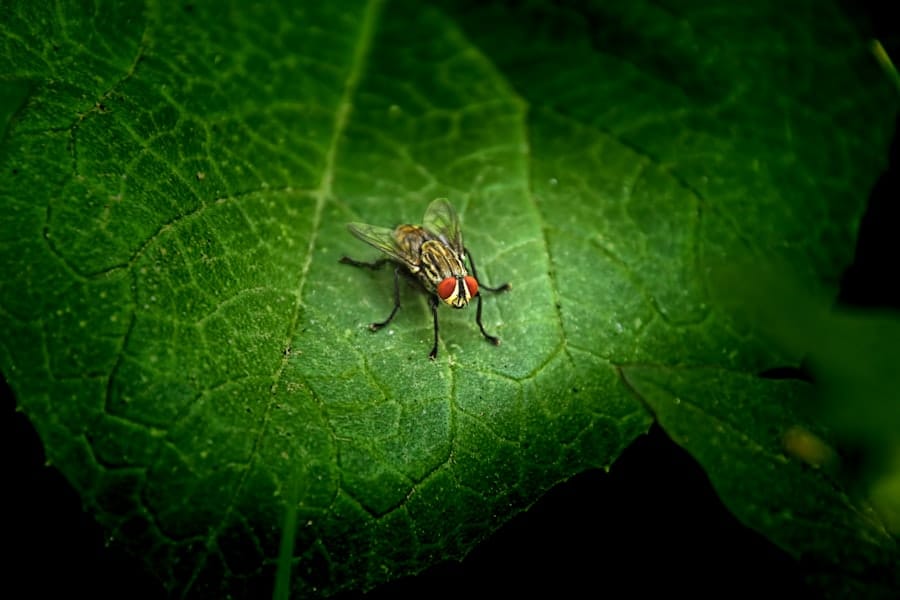
The risks associated with small animal infestations extend beyond mere inconvenience; they can have serious implications for your business’s bottom line. For instance, if rodents contaminate food supplies in a restaurant or grocery store, it could lead to significant financial losses due to wasted inventory and potential legal repercussions. Health inspections may result in fines or even temporary closures if infestations are discovered.
This not only affects your revenue but also tarnishes your reputation in the community. Furthermore, the presence of pests can lead to employee dissatisfaction and decreased productivity. If your staff feels unsafe or uncomfortable due to an infestation, it can create a toxic work environment.
High turnover rates may result as employees seek employment elsewhere. By addressing pest control proactively, you not only protect your assets but also foster a positive workplace culture that encourages employee retention and satisfaction.
Strategies for Small Animal Pest Prevention in Commercial Spaces
Preventing small animal infestations requires a multifaceted approach that combines various strategies tailored to your specific business environment. One effective method is to conduct regular inspections of your premises to identify potential entry points for pests. Sealing cracks and gaps in walls, windows, and doors can significantly reduce the likelihood of rodents and other small animals gaining access to your space.
Additionally, maintaining a clean and organized environment is crucial; ensuring that food waste is disposed of properly and that storage areas are tidy can deter pests from making themselves at home. Another important strategy is to implement proper landscaping practices around your commercial property. Overgrown vegetation can provide shelter for small animals, making it easier for them to invade your building.
By keeping shrubs trimmed and removing debris from the vicinity of your establishment, you create an unwelcoming environment for pests. Furthermore, consider installing barriers such as fences or netting to prevent birds from nesting on your property. These proactive measures can go a long way in preventing infestations before they start.
Hiring Professional Pest Control Services for Small Animal Infestations
While some businesses may attempt to handle pest control internally, hiring professional pest control services is often the most effective solution for managing small animal infestations. Pest control experts possess the knowledge and experience necessary to identify the root causes of infestations and implement targeted strategies for eradication. They have access to specialized tools and products that are not available to the general public, ensuring a more thorough approach to pest management.
Moreover, professional pest control services can provide ongoing monitoring and maintenance plans tailored to your business’s specific needs. This proactive approach allows for early detection of potential issues before they escalate into full-blown infestations. By investing in professional services, you not only protect your business but also gain peace of mind knowing that experts are handling the situation effectively.
Implementing Integrated Pest Management (IPM) Techniques

Integrated Pest Management (IPM) is an effective approach that combines various pest control methods to minimize risks while maximizing results. This holistic strategy focuses on understanding the life cycles and behaviors of pests to develop targeted interventions that are both environmentally friendly and effective. By implementing IPM techniques in your commercial space, you can create a sustainable pest management plan that reduces reliance on chemical treatments.
One key component of IPM is monitoring and identifying pests accurately before taking action. This involves regular inspections and keeping detailed records of pest activity within your establishment. Once identified, you can employ a combination of preventive measures—such as sealing entry points and maintaining cleanliness—along with targeted treatments when necessary.
By using this comprehensive approach, you not only address current infestations but also reduce the likelihood of future problems.
Legal and Regulatory Considerations for Small Animal Pest Control in Businesses
As a business owner, it’s essential to be aware of the legal and regulatory considerations surrounding pest control in your area. Many jurisdictions have specific laws regarding pest management practices, particularly in industries such as food service or healthcare where health standards are paramount. Failing to comply with these regulations can result in fines or even legal action against your business.
Additionally, understanding the environmental regulations related to pest control products is crucial. Some chemicals may be restricted or require special handling procedures due to their potential impact on human health or the environment. By staying informed about these legal requirements and working with licensed pest control professionals who adhere to them, you can ensure that your business remains compliant while effectively managing small animal pests.
Maintaining a Pest-Free Environment: Ongoing Small Animal Pest Control Measures
Once you have successfully addressed a small animal infestation in your commercial space, it’s vital to implement ongoing measures to maintain a pest-free environment. Regular inspections should become part of your routine maintenance schedule; this proactive approach allows you to catch any signs of new infestations early on before they escalate into larger problems. Additionally, consider training your staff on best practices for pest prevention.
Educating employees about proper food storage techniques, waste disposal methods, and reporting any signs of pests can create a culture of vigilance within your organization. By fostering an environment where everyone is aware of their role in pest management, you enhance the effectiveness of your overall strategy. In conclusion, small animal pest control is an essential aspect of maintaining a successful commercial space.
By understanding the importance of prevention and employing effective strategies—whether through professional services or integrated pest management techniques—you can protect your business from the risks associated with infestations. Staying informed about legal considerations and fostering a culture of vigilance among employees will further enhance your efforts in maintaining a pest-free environment for years to come.
If you are looking for more information on pest control services in Fresno, California, you may want to check out this article on the best pest control service in the area. It provides valuable insights and recommendations for businesses and homeowners alike.
FAQs
What is small animal pest control for businesses?
Small animal pest control for businesses refers to the methods and techniques used to manage and eliminate pests such as rodents, insects, and other small animals from commercial spaces. This can include preventive measures, trapping, and the use of pesticides in a safe and effective manner.
Why is small animal pest control important for businesses?
Small animal pest control is important for businesses to maintain a clean and safe environment for employees, customers, and visitors. Pests can damage property, contaminate food and products, and spread diseases, which can have a negative impact on a business’s reputation and bottom line.
What are some common small animal pests that businesses may encounter?
Common small animal pests that businesses may encounter include rodents such as mice and rats, insects such as cockroaches and ants, as well as birds and other wildlife. These pests can infest commercial spaces and cause damage to property and products.
What are some preventive measures for small animal pest control in commercial spaces?
Preventive measures for small animal pest control in commercial spaces include sealing entry points, keeping food and garbage properly stored, maintaining cleanliness, and implementing regular inspections and maintenance. These measures can help to deter pests from infesting the space.
What are some effective methods for small animal pest control in commercial spaces?
Effective methods for small animal pest control in commercial spaces include the use of traps, baits, and pesticides, as well as the implementation of integrated pest management (IPM) strategies. It is important to use these methods in a safe and responsible manner to minimize risks to humans and the environment.