
As an expectant mother, you may find yourself increasingly concerned about the various risks that come with pregnancy, and one of those risks is mosquito bites. Mosquitoes are not just a nuisance; they can transmit serious diseases that pose significant health threats to both you and your unborn child. Diseases such as Zika virus, West Nile virus, and dengue fever are transmitted through mosquito bites and can lead to severe complications during pregnancy.
The Zika virus, in particular, has been linked to serious birth defects, including microcephaly, which can affect your baby’s brain development. Understanding these risks is crucial for your health and the well-being of your baby. Moreover, the immune system undergoes changes during pregnancy, making you more susceptible to infections.
This altered immune response can make it harder for your body to fight off illnesses that may arise from mosquito bites. Even if you do not contract a serious illness, the stress and anxiety associated with the potential risks can take a toll on your mental well-being. Therefore, it is essential to take proactive measures to protect yourself from mosquito bites during this critical time in your life.
Key Takeaways
- Mosquito bites during pregnancy can pose serious risks to both the mother and the baby, including the transmission of mosquito-borne illnesses such as Zika virus and malaria.
- Safe and effective mosquito repellent options for pregnant women include products containing DEET, picaridin, and oil of lemon eucalyptus, which have been deemed safe by the CDC and EPA.
- Mosquito-borne illnesses can have severe consequences for pregnant women and their babies, including birth defects, premature birth, and low birth weight.
- Creating a mosquito-free environment for expectant moms involves eliminating standing water, using mosquito nets, and installing screens on windows and doors.
- Natural ways to repel mosquitoes during pregnancy include using essential oils such as citronella, lavender, and peppermint, as well as wearing light-colored, long-sleeved clothing.
Safe and Effective Mosquito Repellent Options for Pregnant Women
When it comes to choosing a mosquito repellent during pregnancy, safety is paramount. You want to ensure that the products you use are effective in keeping mosquitoes at bay while also being safe for you and your developing baby. The Centers for Disease Control and Prevention (CDC) recommends using insect repellents that contain DEET, picaridin, or oil of lemon eucalyptus.
These ingredients have been deemed safe for pregnant women when used according to the manufacturer’s instructions. DEET, in particular, has been extensively studied and is considered one of the most effective repellents available. In addition to chemical repellents, there are also natural options that you might consider.
While they may not be as potent as their chemical counterparts, some natural repellents can provide a degree of protection. Essential oils such as lavender, citronella, and tea tree oil have been known to deter mosquitoes. However, it’s important to note that natural does not always mean safe; some essential oils can cause skin irritation or allergic reactions.
Always consult with your healthcare provider before using any new product during pregnancy to ensure it aligns with your health needs.
Understanding the Impact of Mosquito-Borne Illnesses on Pregnant Women and Babies
The impact of mosquito-borne illnesses on pregnant women and their babies cannot be overstated. When a pregnant woman contracts a mosquito-borne illness, the consequences can be dire. For instance, the Zika virus can cross the placental barrier and affect fetal development, leading to severe neurological issues and other birth defects.
Other diseases like malaria can also complicate pregnancy, leading to premature birth or low birth weight. Understanding these potential outcomes is essential for making informed decisions about your health and safety. Additionally, the psychological impact of these illnesses should not be overlooked.
The fear of contracting a disease can lead to heightened anxiety and stress during pregnancy, which can affect both your mental health and your baby’s development. It’s crucial to stay informed about the risks associated with mosquito-borne illnesses and to take preventive measures seriously. By doing so, you can help mitigate these risks and focus on enjoying your pregnancy.
Tips for Creating a Mosquito-Free Environment for Expectant Moms
Creating a mosquito-free environment is one of the most effective ways to protect yourself during pregnancy. Start by eliminating standing water around your home, as this is where mosquitoes breed. Check flower pots, bird baths, and gutters for stagnant water and make sure to empty them regularly.
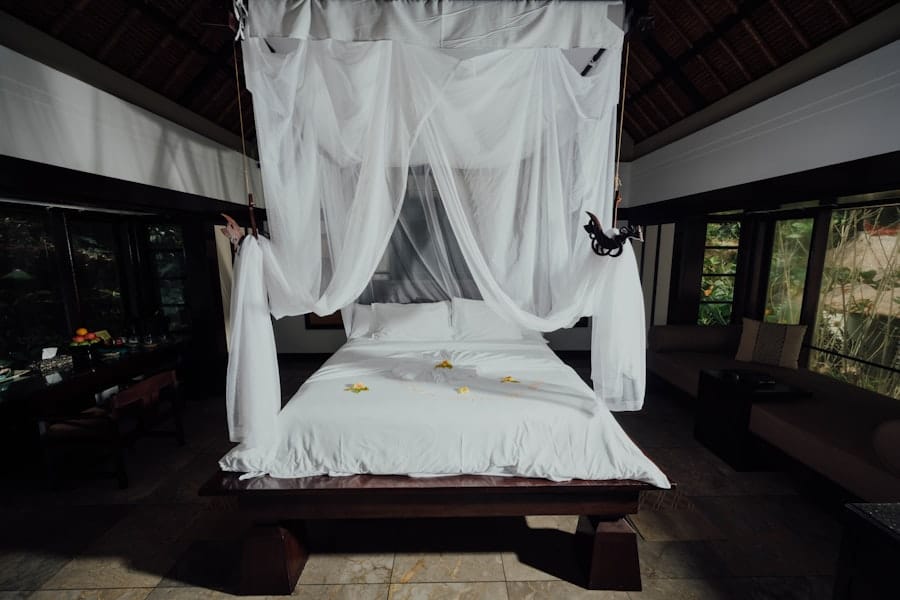
Additionally, consider installing screens on windows and doors to keep mosquitoes out while allowing fresh air in. If you enjoy spending time outdoors, using mosquito nets around patios or porches can provide an extra layer of protection. Another effective strategy is to use fans in outdoor spaces.
Mosquitoes are weak flyers, so a strong breeze can deter them from coming near you. If you’re planning a gathering or spending time outside, setting up fans can create a more comfortable environment while keeping those pesky insects at bay. You might also want to consider planting mosquito-repelling plants like marigolds or citronella grass in your garden or around your home.
These plants not only add beauty but also serve as a natural deterrent against mosquitoes.
Natural Ways to Repel Mosquitoes During Pregnancy
If you prefer natural methods for repelling mosquitoes during pregnancy, there are several options available that can help keep these pests at bay without resorting to chemical repellents. One popular method is using essential oils known for their insect-repelling properties. Oils such as lavender, eucalyptus, and peppermint can be diluted with a carrier oil and applied to your skin as a natural repellent.
However, always perform a patch test first to ensure you don’t have an adverse reaction. Another natural approach is to utilize certain herbs and plants that mosquitoes dislike. For instance, planting basil or rosemary in your garden or keeping potted versions indoors can help deter mosquitoes due to their strong scents.
Additionally, using citronella candles or incense can create a barrier around outdoor spaces where you spend time. While these methods may not provide complete protection like chemical repellents, they can certainly help reduce mosquito presence in your immediate environment.
The Importance of Seeking Medical Attention for Mosquito Bites During Pregnancy

Recognizing Serious Symptoms
Symptoms such as fever, rash, or severe headaches should not be ignored; they could indicate an underlying illness that requires prompt medical intervention.
Seeking Medical Guidance
Additionally, even if you experience only mild symptoms after a mosquito bite, it’s still wise to consult with your healthcare provider for peace of mind. They can provide guidance on what symptoms to watch for and may recommend further testing if they suspect exposure to a mosquito-borne illness.
Proactive Health Measures
Being proactive about your health during pregnancy is crucial; addressing any concerns early on can help ensure both your safety and that of your baby.
Common Misconceptions About Mosquito Repellents and Pregnancy
There are several misconceptions surrounding the use of mosquito repellents during pregnancy that can lead to confusion and unnecessary worry. One common myth is that all chemical repellents are harmful to pregnant women and their babies. In reality, many repellents containing DEET or picaridin are considered safe when used correctly.
It’s important to read labels carefully and follow usage instructions rather than avoiding these products altogether out of fear. Another misconception is that natural repellents are always safer than chemical ones. While some natural options may be less irritating for certain individuals, they are not always effective against mosquitoes and may not provide adequate protection during peak mosquito seasons.
It’s essential to weigh the pros and cons of each option and consult with your healthcare provider about what is best for you during pregnancy.
How to Choose the Right Mosquito Repellent for Pregnant Women and Babies
Choosing the right mosquito repellent involves considering both safety and effectiveness. When selecting a repellent for yourself during pregnancy, look for products that contain ingredients recommended by health authorities such as DEET or picaridin. These ingredients have been extensively tested for safety and efficacy in repelling mosquitoes.
Always check the concentration levels; lower concentrations are generally recommended for pregnant women. If you’re looking for a repellent suitable for babies or young children as well, opt for products specifically formulated for their age group. Many brands offer child-safe options that contain lower concentrations of active ingredients while still providing effective protection against mosquitoes.
Always read labels carefully and consult with your pediatrician if you have any concerns about using repellents on your child. In conclusion, being informed about the risks associated with mosquito bites during pregnancy is crucial for ensuring both your health and that of your baby. By understanding safe repellent options, creating a mosquito-free environment, and knowing when to seek medical attention, you can take proactive steps toward protecting yourself during this important time in your life.
When it comes to protecting expectant moms and babies from the dangers of mosquitoes during pregnancy, it’s important to take proactive measures. One helpful resource to consider is Thriftypestcontrol’s article on the best pest control service in Baton Rouge, Louisiana. This article provides valuable information on how to effectively eliminate mosquitoes and other pests from your home to ensure a safe and healthy environment for pregnant women and their babies. By following the tips and recommendations outlined in this article, you can create a pest-free environment that minimizes the risk of mosquito-borne illnesses during pregnancy. For more information on professional pest control services, check out this article.
FAQs
What are the risks of mosquito bites during pregnancy?
Mosquito bites during pregnancy can pose a risk of transmitting diseases such as Zika virus, West Nile virus, and dengue fever, which can have serious consequences for both the expectant mother and the developing baby.
How can pregnant women protect themselves from mosquito bites?
Pregnant women can protect themselves from mosquito bites by using insect repellent, wearing long-sleeved clothing, and staying indoors during peak mosquito activity times. It is also important to eliminate standing water around the home to reduce mosquito breeding grounds.
Is it safe for pregnant women to use insect repellent?
Yes, it is safe for pregnant women to use insect repellent that contains DEET, picaridin, or oil of lemon eucalyptus. It is important to follow the product instructions and reapply as directed.
Are there any natural mosquito repellents that pregnant women can use?
Pregnant women can use natural mosquito repellents such as citronella oil, lavender oil, and eucalyptus oil. These can be applied to the skin or used in diffusers to help repel mosquitoes.
What should pregnant women do if they suspect they have been exposed to mosquito-borne diseases?
Pregnant women who suspect they have been exposed to mosquito-borne diseases should seek medical attention immediately. It is important to discuss any potential exposure with a healthcare provider to determine the appropriate course of action.