
When it comes to household pests, spiders often evoke a mix of fear and fascination. While many people appreciate the role spiders play in controlling other insect populations, the sight of these eight-legged creatures scuttling across your floor can be unsettling. Understanding spider pest control is essential for maintaining a comfortable living environment.
You may find yourself wondering how to manage these creatures effectively without resorting to harmful chemicals or drastic measures. This article will guide you through the intricacies of spider control, from identification to prevention, ensuring you can coexist with these arachnids or eliminate them as needed. Spider pest control is not merely about extermination; it involves understanding the ecology of spiders and their behavior.
By learning about the various species that may invade your home, you can tailor your approach to suit your specific situation. Whether you are dealing with common house spiders or more dangerous varieties, knowledge is your best ally. This article will provide you with the tools and insights necessary to tackle spider infestations head-on, allowing you to reclaim your space with confidence.
Key Takeaways
- Spider pest control is important for maintaining a safe and healthy environment.
- Identifying common spider species can help in determining the best control methods.
- Understanding spider behavior and habits is crucial for effective pest control.
- Prevention and control measures are essential for managing spider infestations.
- Natural and non-toxic methods can be used for spider control, in addition to professional pest control services and DIY techniques.
Identifying Common Spider Species
To effectively manage spider populations in your home, you first need to identify the species that are present. Not all spiders are harmful, and many are beneficial as they prey on other pests. Common household spiders include the common house spider, the wolf spider, and the black widow.
The common house spider is typically small and brown, often found in corners and undisturbed areas. In contrast, the wolf spider is larger and more aggressive, known for its speed and ability to hunt down prey rather than spinning webs. The black widow, on the other hand, is notorious for its venomous bite and distinctive appearance, characterized by a glossy black body and a red hourglass marking on its abdomen.
Recognizing these species is crucial because it informs your approach to control. If you encounter a black widow, for instance, you may want to take immediate action due to its potential danger. By familiarizing yourself with these common spiders, you can better assess the level of threat they pose and decide on the most appropriate course of action.
Understanding Spider Behavior and Habits

Understanding spider behavior is key to effective pest control. Spiders are generally solitary creatures that prefer dark, undisturbed areas where they can build their webs or hunt for food. They are most active at night, which means you might not notice them until they’ve established a presence in your home.
Many spiders are attracted to moisture and food sources, so areas like basements, bathrooms, and kitchens are prime locations for infestations. Spiders also have unique habits that can influence how you manage them. For example, some species are web builders, while others are hunters that actively seek out their prey.
This distinction is important because it affects how you might choose to eliminate them. If you’re dealing with web-building spiders, removing their webs regularly can significantly reduce their numbers. Conversely, if you have hunting spiders, you may need to focus on eliminating their food sources—other insects—in order to deter them from your home.
Prevention and Control Measures for Spider Infestations
Preventing spider infestations begins with creating an environment that is less inviting to these creatures. One of the most effective measures is to reduce clutter in your home. Spiders thrive in dark, cluttered spaces where they can hide and build webs undisturbed.
By keeping your living areas tidy and organized, you can minimize potential hiding spots. Regular cleaning routines that include vacuuming corners and dusting surfaces will also help keep spider populations in check. In addition to decluttering, sealing entry points is crucial for preventing spiders from entering your home.
Inspect windows, doors, and any cracks in your walls or foundation for gaps that could serve as entryways. Using caulk or weather stripping can effectively seal these openings, making it more difficult for spiders to find their way inside. Furthermore, consider installing screens on windows and doors to provide an additional barrier against these pests while allowing fresh air into your home.
Natural and Non-toxic Methods for Spider Control
If you’re looking for ways to manage spider populations without resorting to harsh chemicals, there are several natural and non-toxic methods at your disposal. Essential oils such as peppermint, tea tree, and lavender have been shown to repel spiders effectively. You can create a simple spray by mixing water with a few drops of essential oil in a spray bottle.
Spraying this mixture around entry points and areas where you’ve spotted spiders can help deter them from settling in. Another natural method involves using vinegar as a deterrent. A solution of equal parts vinegar and water can be sprayed in areas where spiders are commonly found.
The strong scent of vinegar is unappealing to many spiders and can encourage them to relocate elsewhere. Additionally, keeping your home well-lit can also help deter spiders since they prefer dark environments. By implementing these natural methods, you can create a less hospitable environment for spiders without compromising your health or the environment.
Professional Pest Control Services for Spider Infestations
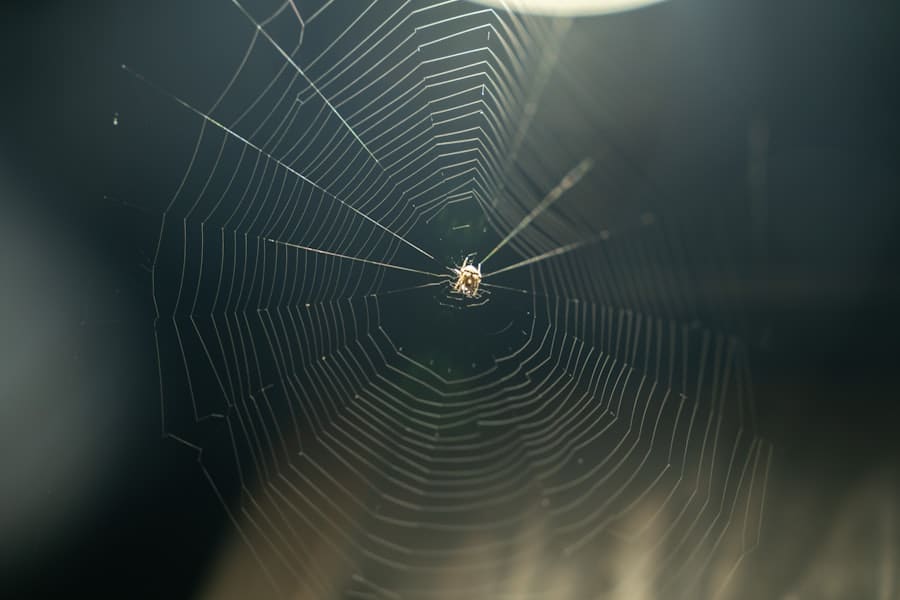
In some cases, despite your best efforts at prevention and control, spider infestations may persist or escalate beyond what you can manage on your own. This is where professional pest control services come into play. Trained pest control experts have the knowledge and tools necessary to assess the severity of an infestation and implement effective treatment plans tailored to your specific needs.
When considering professional services, it’s essential to choose a reputable company that uses safe and effective methods for spider control. Many pest control professionals offer integrated pest management (IPM) approaches that focus on long-term prevention rather than just immediate extermination. This holistic strategy not only addresses existing infestations but also helps prevent future occurrences by addressing underlying issues such as moisture problems or food sources that attract spiders.
DIY Spider Control Techniques
If you’re inclined towards a hands-on approach, there are several DIY techniques you can employ to manage spider populations effectively. One popular method involves using sticky traps placed strategically around your home. These traps capture spiders as they wander into them, allowing you to monitor their presence and reduce their numbers over time.
Another effective DIY technique is creating barriers using diatomaceous earth (DE). This natural powder is harmless to humans and pets but lethal to insects with exoskeletons, including spiders. Sprinkling DE around entry points or areas where you’ve noticed spider activity can help deter them from entering your home while also targeting other pests that may be present.
Conclusion and Tips for Maintaining a Spider-Free Environment
Maintaining a spider-free environment requires ongoing vigilance and proactive measures. Regular cleaning routines should be established as part of your household maintenance to keep potential hiding spots at bay. Additionally, consider implementing seasonal checks around your home’s exterior to ensure that entry points remain sealed and that outdoor lighting is adequate.
Remember that while spiders can be unsettling, they also play a vital role in controlling other pest populations. Striking a balance between coexistence and control is key. By employing a combination of prevention strategies, natural deterrents, and professional assistance when necessary, you can create a comfortable living space free from unwanted arachnid visitors.
With these tips in mind, you’ll be well-equipped to maintain a spider-free environment while appreciating the ecological benefits these creatures provide when kept at bay.
If you’re dealing with a spider infestation and looking for effective pest control solutions, you might find it helpful to explore the article on the best pest control services in Birmingham, Alabama. This resource provides insights into various pest management strategies that can help you tackle not only spiders but also other common household pests. For more information, check out the article here: Best Pest Control Service in Birmingham, Alabama.
FAQs
What are common types of spiders that require pest control?
Common types of spiders that require pest control include black widows, brown recluses, wolf spiders, and house spiders. These spiders can pose a threat to humans and should be managed by a professional pest control service.
How can I prevent spiders from entering my home?
To prevent spiders from entering your home, you can seal cracks and crevices, keep your home clean and clutter-free, and remove any potential spider habitats such as piles of wood or debris near your home.
What are the risks of having a spider infestation in my home?
Having a spider infestation in your home can pose health risks, as some spiders are venomous and their bites can cause severe reactions in humans. Additionally, spider infestations can be a sign of other pest problems in your home.
When should I consider professional pest control for spiders?
You should consider professional pest control for spiders if you have a severe infestation, if you are dealing with venomous spiders, or if you have tried DIY methods without success. Professional pest control services can effectively manage spider infestations and prevent future problems.
What methods do pest control professionals use to manage spider infestations?
Pest control professionals use a variety of methods to manage spider infestations, including applying insecticides, removing spider webs and egg sacs, and implementing preventative measures to keep spiders from returning. They may also provide recommendations for ongoing spider control.