
When you think of pests, spiders may not be the first creatures that come to mind. However, these eight-legged arachnids can become a nuisance in your home or garden if their populations grow unchecked. While many people fear spiders due to their appearance or the myths surrounding them, it’s essential to understand that most spiders are harmless and play a crucial role in controlling other pest populations.
Nevertheless, when they invade your living space, it can lead to discomfort and anxiety. This is where effective pest control methods come into play. Understanding the dynamics of spider infestations is vital for any homeowner.
You may find yourself wondering how these creatures enter your home, what attracts them, and how to manage their presence effectively. Whether you prefer natural methods or chemical solutions, knowing your options can empower you to take control of the situation. In this article, we will explore various aspects of spider infestations, from identification to prevention, ensuring you have the knowledge needed to maintain a spider-free environment.
Key Takeaways
- Spiders are beneficial for controlling other pests, but can become a nuisance when they infest homes.
- Common signs of spider infestations include webs, egg sacs, and sightings of spiders in and around the home.
- Natural pest control methods for spiders include keeping a clean and clutter-free home, using essential oils, and introducing natural predators like ladybugs and lacewings.
- Chemical pest control options for spiders include insecticides and spider repellents, but should be used with caution and according to label instructions.
- Prevention tips for spider infestations include sealing cracks and crevices, reducing clutter, and keeping outdoor lights off at night to avoid attracting insects.
Identifying Common Spider Infestations
To effectively manage spider populations, you first need to identify the types of spiders that may be invading your space. Common household spiders include the common house spider, the wolf spider, and the brown recluse. Each species has distinct characteristics that can help you recognize them.
For instance, the common house spider is typically small and has a rounded abdomen with a grayish-brown color. In contrast, the brown recluse is known for its violin-shaped marking on its back and can pose health risks if provoked. You might also encounter more exotic species depending on your geographical location.
For example, if you live in warmer climates, you may find black widow spiders lurking in dark corners or outdoor spaces. Identifying these spiders is crucial because it helps you determine the appropriate response. While most spiders are harmless and beneficial for controlling other pests, some can pose risks to your health and safety.
By familiarizing yourself with these common species, you can take proactive measures to address any infestations before they escalate.
Natural Pest Control Methods for Spiders
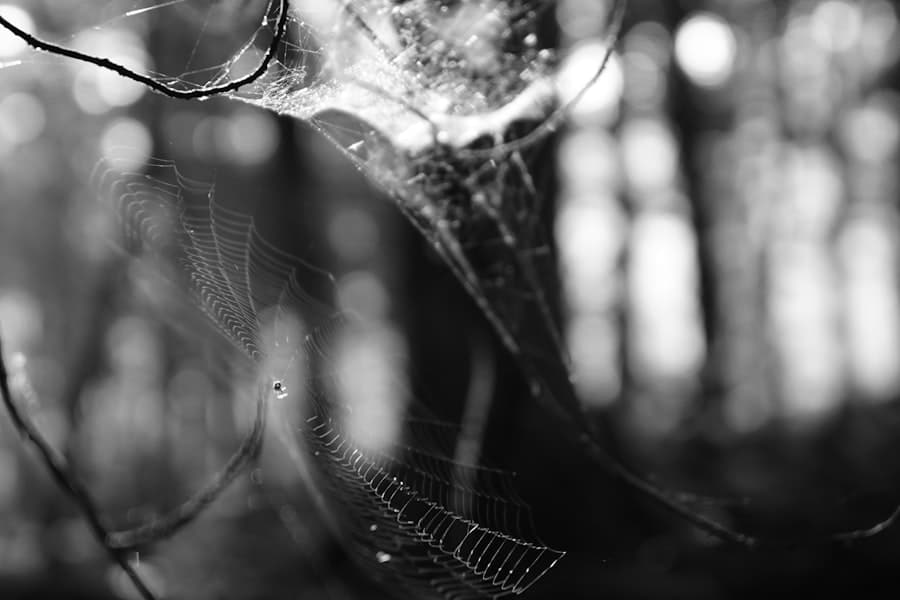
If you prefer a more eco-friendly approach to pest control, there are several natural methods you can employ to deter spiders from your home. One effective strategy is to use essential oils such as peppermint, tea tree, or citrus oils. Spiders are known to dislike strong scents, and by mixing these oils with water in a spray bottle, you can create a natural repellent.
Spraying this mixture around entry points, windowsills, and corners can help keep spiders at bay without resorting to harsh chemicals. Another natural method involves maintaining cleanliness in your living space. Spiders are attracted to clutter and dark areas where they can hide and hunt for food.
By regularly vacuuming and dusting your home, you can eliminate potential hiding spots and reduce the likelihood of spider infestations. Additionally, sealing cracks and gaps in windows and doors can prevent spiders from entering your home in the first place. These simple yet effective strategies can significantly reduce spider populations while promoting a healthier living environment.
Chemical Pest Control Options for Spiders
While natural methods can be effective, there are times when chemical pest control options may be necessary to tackle severe infestations. Various commercial spider sprays and insecticides are available that specifically target spiders while minimizing harm to other beneficial insects. When using chemical solutions, it’s essential to follow the manufacturer’s instructions carefully to ensure safety for both yourself and your pets.
In addition to sprays, there are also dust formulations that can be applied in hard-to-reach areas where spiders tend to hide. These dusts cling to surfaces and provide long-lasting protection against spider infestations. However, it’s crucial to consider the potential risks associated with chemical treatments.
Always ensure proper ventilation when applying these products and take precautions to keep children and pets away from treated areas until it is safe.
Prevention Tips for Spider Infestations
Preventing spider infestations is often more effective than dealing with them after they occur. One of the most critical steps you can take is to reduce clutter in your home. Spiders thrive in dark, undisturbed areas where they can build webs and hunt for food.
By decluttering your living space and regularly cleaning areas like basements, attics, and garages, you can significantly decrease the likelihood of attracting these pests. Another preventive measure involves landscaping around your home. Keeping shrubs and plants trimmed away from your house can minimize the chances of spiders finding their way indoors.
Additionally, consider using outdoor lighting strategically; bright lights can attract insects, which in turn attract spiders. Opting for yellow or sodium vapor lights can help reduce this attraction while still providing adequate illumination for safety.
Hiring Professional Pest Control Services for Spiders
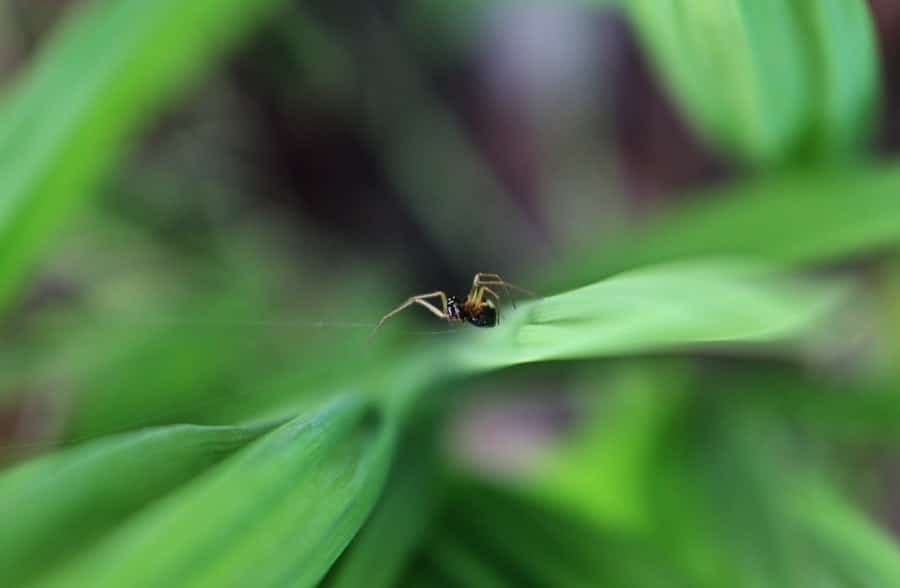
If you find yourself overwhelmed by a spider infestation or if natural and chemical methods have proven ineffective, it may be time to consider hiring professional pest control services. Pest control experts have the training and experience necessary to assess the situation accurately and implement targeted strategies for eradication. They can identify the specific species of spiders present in your home and tailor their approach accordingly.
When hiring a pest control service, it’s essential to do your research. Look for companies with positive reviews and a solid reputation in your area. A professional service will not only address the current infestation but also provide guidance on preventive measures to keep spiders from returning in the future.
Investing in professional help can save you time and stress while ensuring that your home remains a safe and comfortable space.
Understanding the Risks of Spider Infestations
While many spiders are harmless, it’s crucial to understand that some species can pose significant health risks. For instance, bites from black widow or brown recluse spiders can lead to severe reactions requiring medical attention. Recognizing the potential dangers associated with certain types of spiders is essential for maintaining safety in your home.
Moreover, an unchecked spider infestation can lead to psychological distress for some individuals who suffer from arachnophobia or general anxiety about pests. The mere sight of a spider can trigger fear responses that disrupt daily life. By addressing spider infestations promptly and effectively, you not only protect your physical health but also contribute to a more peaceful living environment.
Conclusion and Summary of Pest Control for Spiders
In conclusion, managing spider infestations requires a multifaceted approach that includes identification, prevention, and control methods tailored to your specific situation. Whether you choose natural remedies or chemical solutions, understanding the behavior of these arachnids is key to keeping them at bay. Regular cleaning, decluttering, and sealing entry points are essential preventive measures that can significantly reduce the likelihood of infestations.
If all else fails or if you encounter potentially dangerous species, don’t hesitate to seek professional pest control services. They offer expertise that can help restore comfort and safety in your home while providing long-term solutions for preventing future infestations. By taking proactive steps against spider invasions, you can enjoy a more serene living environment free from unwanted eight-legged guests.
If you’re dealing with a spider infestation, understanding effective pest control strategies is crucial. For insights into how military strategies can inspire innovative pest control tactics, you might find this article particularly interesting: The Art of Bug Warfare: How Military Strategies Inspire Pest Control Tactics. This resource explores unique approaches that can be applied to manage not just spiders, but a variety of pests effectively.
FAQs
What are some common methods for controlling spiders in and around the home?
Some common methods for controlling spiders in and around the home include sealing up cracks and crevices, reducing clutter, using spider repellents, and employing natural predators such as other insects and animals.
What are some natural remedies for controlling spiders?
Natural remedies for controlling spiders include using essential oils such as peppermint, citrus, or tea tree oil, as well as diatomaceous earth, vinegar, and cedarwood.
What are some professional pest control options for dealing with spiders?
Professional pest control options for dealing with spiders include hiring a pest control company to apply insecticides, setting up spider traps, and using ultrasonic pest repellers.
How can I prevent spiders from entering my home?
To prevent spiders from entering your home, you can seal up cracks and crevices, keep your home clean and clutter-free, use screens on windows and doors, and keep outdoor lights off at night.
Are spiders beneficial to the environment?
Yes, spiders are beneficial to the environment as they help control insect populations and are an important part of the food chain for many other animals.