
Pest Control And Real Estate: Ensuring Your Property Stays Valuable
Have you ever wondered how pests can impact your property’s value? It’s a valid concern, as pest control is often overlooked in real estate, yet it plays a major role in maintaining the condition and value of your property. Let’s discuss why pest control is essential and how you can keep your home in top shape.
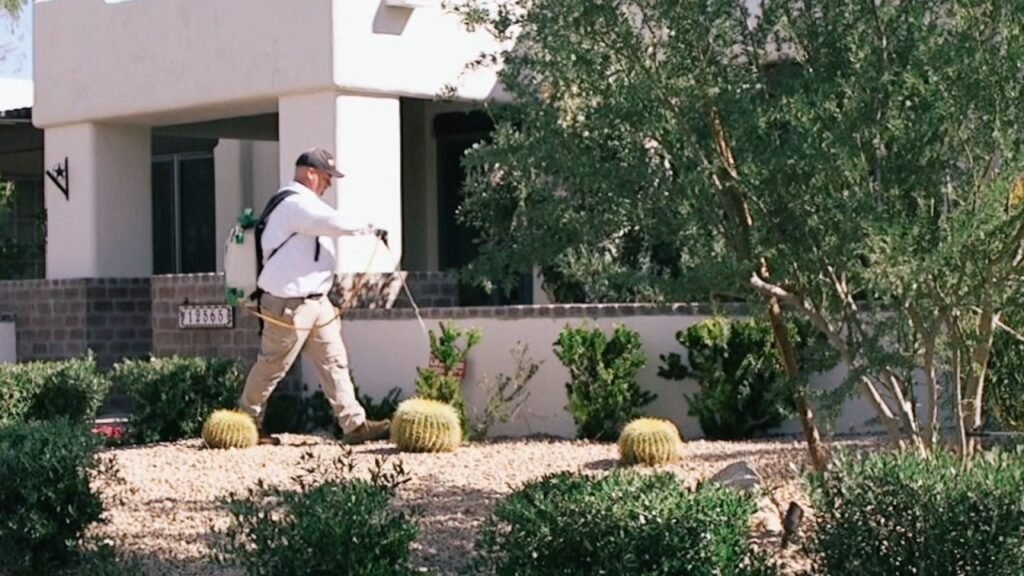
Understanding the Importance of Pest Control
Keeping your home pest-free is more than just a matter of comfort; it’s about protecting your investment. Pests can cause significant damage to your property, leading to costly repairs and potentially lowering its market value. Understanding the importance of pest control is vital for homeowners and those involved in real estate transactions.
Why Pests Are Problematic
You’ve probably heard that prevention is better than cure, and this couldn’t be more true when it comes to pests. Here are some reasons why pests can be problematic:
- Structural Damage: Many pests, such as termites and carpenter ants, can weaken the structural integrity of your home. Termites alone cause billions in yearly damages, ultimately impacting your property’s value.
- Health Risks: Pests can also pose health risks to you and your family. Rodents, cockroaches, and insects can carry diseases and contaminate food and surfaces within the home. Taking care of these pests not only protects your home but also safeguards your family’s health.
Maintaining Property Value
A well-maintained home retains its value. If you’re planning to sell, buyers will be particularly wary of any signs of pest activity. An infestation can turn potential buyers away or significantly devalue your home. Ensuring proactive pest control is not just about comfort; it’s about maintaining the integrity and value of your property.
Common Pests and Their Impact on Real Estate
Understanding which pests are common in your area can help you take preventive measures. Here’s a list of some widespread pests and their effects on real estate:
Termites
These wood-eating insects are notorious for damaging homes’ structures. They can silently eat away at wooden beams and flooring, leading to substantial repair costs. If you suspect termite activity, addressing it promptly is essential to maintaining your home’s value.
Rodents
Mice and rats are not only a nuisance but can also cause severe damage to electrical wiring and insulation, leading to costly repairs. Additionally, they attract other pests and can contaminate food, posing health risks.
Cockroaches
These resilient pests can survive in the harshest environments and multiply rapidly. An infestation can indicate unsanitary conditions and can deter potential buyers. Cockroaches are also linked to allergic reactions and asthma, making their presence a health concern.
Ants
While many types of ants are harmless, some, like carpenter ants, can cause structural damage. If you notice a line of ants marching across your kitchen counter, it’s best to address the issue immediately.
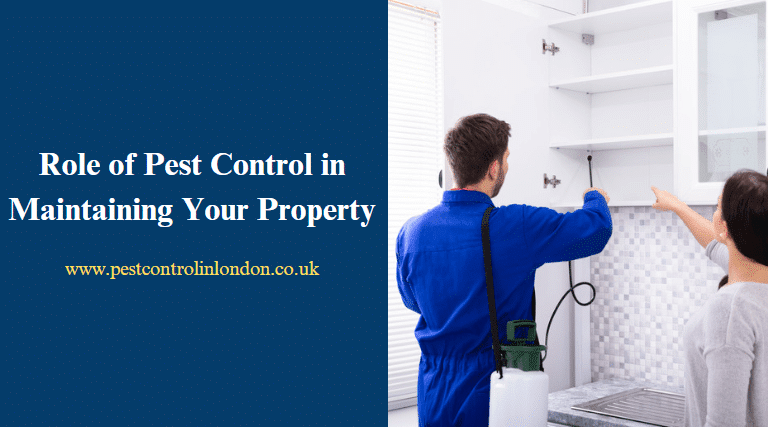
Signs of Infestation
Awareness of the signs of infestation can help you nip the problem in the bud. Here are some indicators to watch for:
Unusual Noises
Hearing noises in your walls or ceilings can signal the presence of pests. Scratching or scurrying sounds might indicate that rodents or other pests have made themselves at home.
Droppings
Finding droppings in your home can be alarming, but it’s often the first sign of an infestation. Rodent droppings look like tiny black pellets, while cockroach droppings tend to be more granular.
Damage to Property
If you notice unexplained damage to wood, insulation, or food packaging, it may indicate a pest problem. This can harm your property’s appeal, especially if it goes unchecked.
Nesting Materials
Seeing shredded paper, fabric, or other materials can mean pests nest in your home. If you suspect an infestation, checking your attic or basement is a good idea.
Prevention Strategies
Prevention is often more accessible and less expensive than dealing with an active infestation. Keep your home pest-free with these strategies:
Regular Inspections
Schedule regular inspections with a pest control professional. They can help identify potential issues before they become significant problems and offer tailored solutions based on your property’s needs.
Proper Sanitation
Maintain a clean environment by regularly cleaning your home and removing potential food sources for pests. Ensure trash is disposed of correctly and food is stored in sealed containers.
| Cleaning Area | Pest Prevention Tips |
|---|---|
| Kitchen | Wipe down surfaces, keep food sealed |
| Living Room | Vacuum frequently, check furniture for pests |
| Bathroom | Avoid dampness, use dehumidifiers |
| Basements and Attics | Insulate and seal entry points |
Seal Entry Points
Inspect your home for cracks and gaps that pests can use to enter. Seal these entry points with caulk or weatherstripping. This simple act can significantly reduce your chances of an infestation.
Landscaping Control
If you have a garden or yard, ensure it is well-kept. Trim hedges and avoid having plant materials too close to your home. Pests often use these plants to access your property.
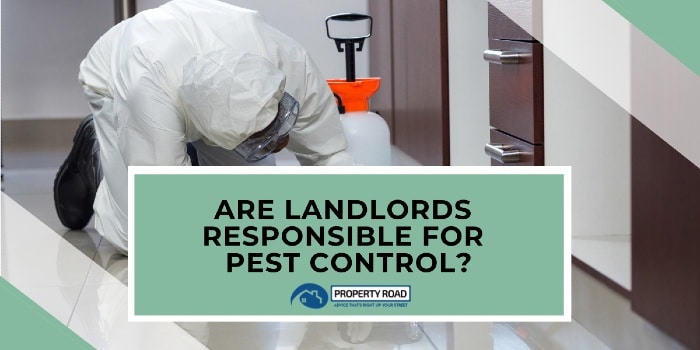
Dealing with Infestations
If you discover that you do have a pest problem, the best course of action is to act swiftly. Here are the steps to take:
Contact Professionals
Engaging with a pest control service is crucial in managing an infestation. They have the expertise and tools to eradicate pests effectively and safely.
DIY Methods
Some DIY methods may help with minor issues. For example, traps for rodents or natural repellents for insects can be effective. However, please be careful, as improper use can worsen the problem.
Document the Issue
If you’re selling your home, document any pest activity and the steps you took to eliminate it. This transparency can instill confidence in potential buyers that the issue has been appropriately addressed.
The Role of Pest Inspections in Real Estate Transactions
When buying or selling a property, pest inspections often come into play. Here’s why pest inspections matter:
For Buyers
As a buyer, please ensure the property has been inspected for pests. Knowing the home’s condition can save you from unforeseen repair costs and provide peace of mind. It also allows you to negotiate repairs or reduce the price if an infestation is found.
For Sellers
If you’re selling your home, consider completing a pest inspection before listing. This proactive step can help address any issues early, making your property more attractive to potential buyers. Additionally, you can provide inspection documentation, which adds credibility to your sale.
Impact on Financing
Many lenders require a pest inspection before approving a loan for a property. If evidence of pests is discovered, this could delay your transaction or complicate financing options.
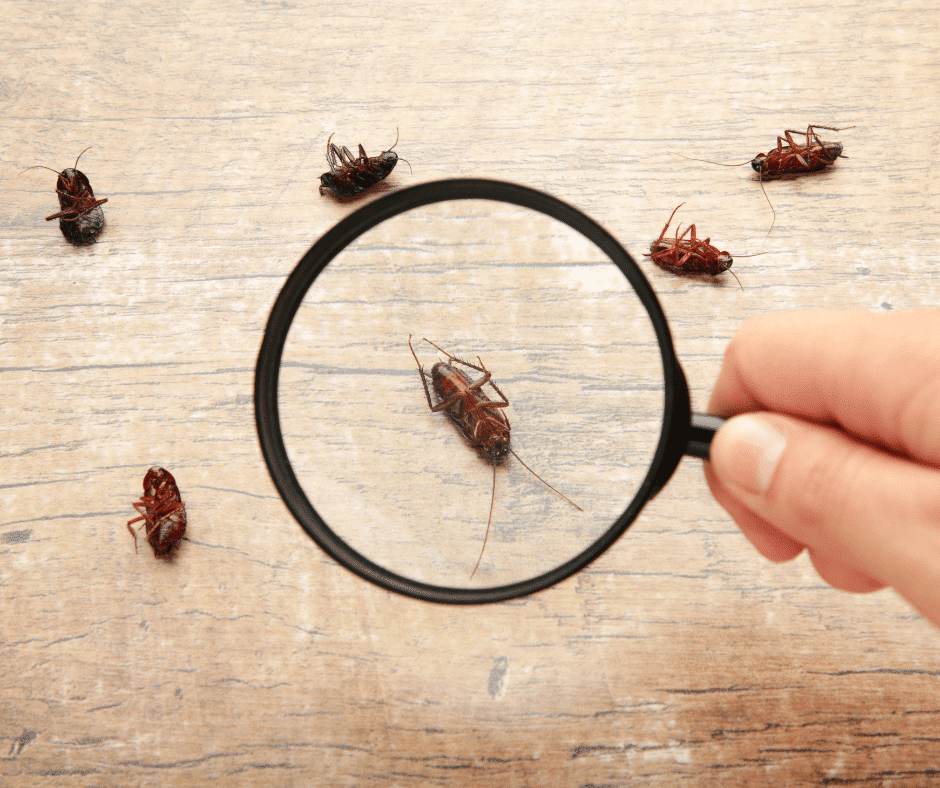
Financial Implications of Pest Control
Investing in pest control can save you money in the long run by preventing infestations and the expensive repairs that follow.
Cost of Treatment
The cost of pest treatment can vary widely based on the pest type and severity of the infestation. For example, termite treatment can range from a few hundred dollars to thousands, depending on the damage. However, not addressing pest issues can far exceed treatment costs.
Insurance Considerations
While some homeowners’ insurance policies cover pest damage, many do not. To avoid unexpected expenses later, it’s essential to understand your policy and consider pest control as part of your preventative maintenance strategy.
Benefits of Regular Pest Control
There are numerous benefits to maintaining a regular pest control schedule, including:
Peace of Mind
Knowing that your home is protected from pests can provide significant stress relief. This peace of mind lets you focus on your life without worrying about potential infestations.
Enhanced Property Value
Regular pest control keeps your home in top condition, which helps maintain or even boost its market value. Well-maintained properties are more appealing to buyers and can command higher selling prices.
Better Health
Regular pest control contributes to a healthier living environment. Many pests carry diseases, and by controlling their populations, you are actively protecting your family’s health.
Environmental Responsibility
Many modern pest control methods are eco-friendly, allowing you to protect your home without harming the environment. This approach showcases a responsible homeowner who cares for the sustainability of your surroundings.
Take these steps to secure the value of your property and protect your beloved home. You’ll enjoy a more pleasant living environment and safeguard your investment for years to come.
==========
Content 10/10/G