
When you think about pest control, the first images that may come to mind are those of chemical sprays and toxic substances. However, organic pest control offers a refreshing alternative that aligns with sustainable practices and environmental stewardship. At its core, organic pest control focuses on using natural methods to manage pest populations while minimizing harm to beneficial organisms and the ecosystem.
This approach not only protects your plants but also promotes a healthier environment for you and future generations. You might wonder why organic pest control is essential in today’s world. With the increasing awareness of the adverse effects of synthetic pesticides on human health and the environment, many gardeners and farmers are turning to organic methods.
By understanding the principles of organic pest control, you can create a balanced ecosystem in your garden or farm, where natural predators thrive, and pests are kept in check without the need for harmful chemicals. This holistic approach not only enhances the health of your plants but also contributes to biodiversity and soil health.
Key Takeaways
- Organic pest control focuses on using natural and environmentally friendly methods to manage pest populations in gardens and farms.
- Natural predators and parasitoids are organisms that can help control pest populations by feeding on or parasitizing them.
- Beneficial insects, such as ladybugs and lacewings, can be introduced to help control pest populations in a natural and sustainable way.
- Trap crops and companion planting involve using certain plants to attract pests away from main crops or to repel pests through intercropping with other plants.
- Organic pesticides and repellents, such as neem oil and diatomaceous earth, can be used as a last resort to control pest populations while minimizing harm to the environment.
Natural Predators and Parasitoids
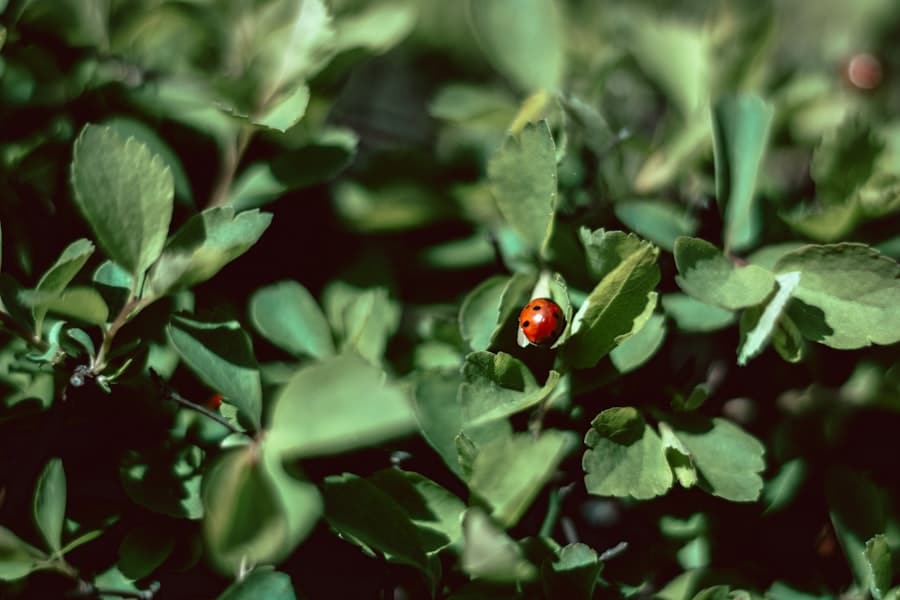
One of the most effective strategies in organic pest control is the use of natural predators and parasitoids. These organisms play a crucial role in maintaining the balance of your garden’s ecosystem. For instance, ladybugs are well-known for their voracious appetite for aphids, while lacewings can consume a variety of soft-bodied pests.
By encouraging these beneficial insects to inhabit your garden, you can significantly reduce pest populations without resorting to chemical interventions. To attract these natural predators, you can create a welcoming environment by planting diverse flora that provides food and shelter. Consider incorporating flowering plants that bloom at different times throughout the growing season, ensuring a continuous supply of nectar and pollen.
Additionally, providing habitats such as insect hotels or leaving some areas of your garden undisturbed can encourage these beneficial insects to take up residence. By fostering a community of natural predators, you empower them to do the hard work of pest control for you.
Beneficial Insects for Pest Control
In addition to natural predators, there are numerous beneficial insects that can assist you in managing pest populations effectively. For example, parasitic wasps lay their eggs inside or on the bodies of pest insects, ultimately leading to their demise. This method of biological control is highly effective against pests like caterpillars and aphids.
By introducing these beneficial insects into your garden, you can create a self-regulating system that minimizes the need for external interventions. You may also want to consider other beneficial insects such as predatory mites, which can help control spider mites, or nematodes that target soil-dwelling pests. Each beneficial insect has its unique role in the ecosystem, and understanding their behaviors and preferences can help you maximize their effectiveness.
By integrating these insects into your pest management strategy, you not only reduce reliance on synthetic pesticides but also promote a more resilient garden ecosystem.
Using Trap Crops and Companion Planting
Trap cropping and companion planting are two innovative techniques that can enhance your organic pest control efforts. Trap cropping involves planting specific crops that attract pests away from your main crops. For instance, if you’re growing tomatoes, you might plant a border of marigolds or mustard greens that lure aphids away from your tomatoes.
This strategy not only protects your primary crops but also allows you to manage pest populations more effectively. Companion planting takes this concept a step further by pairing plants that benefit each other in various ways. Certain plants can repel pests or attract beneficial insects when grown together.
For example, planting basil alongside tomatoes can deter whiteflies and enhance the flavor of your tomatoes. By carefully selecting companion plants, you can create a harmonious garden environment that naturally reduces pest pressure while promoting healthy plant growth.
Organic Pesticides and Repellents
While organic pest control emphasizes natural methods, there may be times when you need to resort to organic pesticides or repellents to manage severe infestations. These products are derived from natural sources and are generally less harmful to beneficial insects and the environment compared to synthetic alternatives. Common organic pesticides include neem oil, diatomaceous earth, and insecticidal soaps, all of which can effectively target specific pests without causing widespread damage.
When using organic pesticides, it’s essential to apply them judiciously and according to the instructions provided. Timing is crucial; applying these products during the early morning or late evening can help minimize harm to beneficial insects that are active during the day. Additionally, consider using targeted applications rather than blanket sprays to reduce the impact on non-target organisms.
By incorporating organic pesticides into your pest management strategy responsibly, you can maintain a healthy balance in your garden while effectively controlling pest populations.
Cultural Control Methods
Cultural control methods are another vital aspect of organic pest management that focuses on modifying practices to prevent pest problems before they arise. This approach includes techniques such as crop rotation, proper sanitation, and selecting resistant plant varieties. By rotating crops each season, you disrupt the life cycles of pests that may have established themselves in your soil, reducing their populations over time.
Sanitation is equally important; removing debris and weeds from your garden can eliminate potential hiding spots for pests and reduce their chances of establishing themselves in your plants. Additionally, choosing plant varieties that are resistant to specific pests can save you time and effort in managing infestations. By implementing these cultural control methods, you create an environment that is less conducive to pest problems while promoting healthy plant growth.
Biological Control with Microorganisms
Microorganisms play a significant role in organic pest control as well. Beneficial bacteria and fungi can be harnessed to combat pests and diseases in your garden. For instance, Bacillus thuringiensis (Bt) is a naturally occurring bacterium that targets specific caterpillars when ingested, effectively controlling their populations without harming beneficial insects or pollinators.
Incorporating beneficial fungi such as Trichoderma into your soil can also enhance plant health by outcompeting harmful pathogens and promoting root growth. These microorganisms work silently but effectively behind the scenes, creating a robust ecosystem that supports plant health while keeping pests at bay. By understanding how to utilize these biological controls, you can further enhance your organic pest management strategy.
Integrated Pest Management (IPM) Approach
The Integrated Pest Management (IPM) approach combines various strategies to create a comprehensive plan for managing pests sustainably. This method emphasizes monitoring pest populations, identifying potential threats, and implementing a combination of cultural, biological, and mechanical controls before resorting to chemical interventions—even if they are organic. By adopting an IPM approach, you take a proactive stance in managing pests while minimizing risks to beneficial organisms and the environment.
As you implement IPM in your gardening or farming practices, remember that it’s essential to remain observant and adaptable. Regularly monitoring your plants for signs of pests allows you to respond quickly before infestations escalate. Additionally, keeping detailed records of pest activity and control measures will help you refine your approach over time.
By embracing IPM principles, you not only protect your plants but also contribute to a more sustainable agricultural system that prioritizes ecological balance. In conclusion, organic pest control offers a wealth of strategies that empower you to manage pests effectively while promoting environmental health. By understanding the roles of natural predators, beneficial insects, trap crops, organic pesticides, cultural methods, microorganisms, and integrated approaches like IPM, you can cultivate a thriving garden or farm that thrives without relying on harmful chemicals.
Embracing these practices not only enhances your gardening experience but also fosters a deeper connection with nature and its intricate ecosystems.
For those interested in exploring effective methods for managing pests organically, a related article can be found at this link: Best Pest Control Service in Chula Vista, California. This article discusses various pest control services available in Chula Vista, highlighting options that prioritize environmentally friendly practices. By focusing on organic solutions, homeowners can effectively manage pest issues while minimizing their impact on the surrounding ecosystem.
FAQs
What is organic pest control?
Organic pest control refers to the use of natural methods and products to manage and eliminate pests without the use of synthetic chemicals or pesticides.
What are some examples of organic pest control methods?
Examples of organic pest control methods include using beneficial insects, such as ladybugs and praying mantises, to prey on harmful pests, using natural predators like birds and bats, and using organic pesticides derived from natural sources, such as neem oil and diatomaceous earth.
What are the benefits of organic pest control?
Organic pest control methods are environmentally friendly, as they do not harm beneficial insects, birds, or other wildlife. They also reduce the risk of chemical residues in food and water sources, and promote overall ecosystem health.
Are there any drawbacks to organic pest control?
Organic pest control methods may require more frequent applications and monitoring compared to synthetic chemical pesticides. They may also be less effective in controlling certain pests, especially in large-scale agricultural settings.
Is organic pest control suitable for all types of pests?
While organic pest control methods can be effective for many common pests, they may not be as effective for certain types of pests, such as termites and some types of invasive species. In these cases, integrated pest management strategies that combine organic and synthetic methods may be necessary.