
Insects are often seen as mere nuisances, but they can pose significant threats to your home and health. Common invaders such as ants, cockroaches, termites, and bedbugs can wreak havoc if left unchecked. Ants, for instance, are notorious for their ability to infiltrate homes in search of food.
They can contaminate your pantry and even damage structures if they form colonies within walls. Cockroaches, on the other hand, are not just unsightly; they can carry diseases and trigger allergies, making them a serious concern for households, especially those with children or individuals with respiratory issues. Termites are another formidable foe, often referred to as “silent destroyers” because they can cause extensive damage to wooden structures before you even realize they are present.
Bedbugs, small but mighty, can disrupt your sleep and lead to itchy bites that linger long after the insects are gone. Understanding these common invaders is the first step in protecting your home. By recognizing their habits and potential threats, you can take proactive measures to safeguard your living space from these unwelcome guests.
Key Takeaways
- Common insect invaders in the home include ants, cockroaches, spiders, flies, and mosquitoes.
- Insects are likely to enter your home through cracks in doors and windows, gaps in walls, and openings around utility lines.
- To keep insects out of your home, seal entry points, keep your home clean, and eliminate sources of food and water for insects.
- Non-toxic ways to repel insects from your home include using essential oils, vinegar, and diatomaceous earth.
- Insecticides should be used as a last resort and always follow the instructions on the label for safe and effective use.
Identifying entry points: Where insects are likely to enter your home
To effectively keep insects out of your home, you must first identify where they are likely to enter. Insects are incredibly resourceful and can exploit even the tiniest openings. Common entry points include gaps around windows and doors, cracks in the foundation, and spaces around utility lines.
You might be surprised to learn that even the smallest crack can serve as an invitation for pests seeking shelter or food. Pay close attention to areas where different materials meet, such as where siding meets the foundation or where window frames meet the wall. Additionally, consider the exterior of your home.
Overhanging branches or shrubs that touch your house can provide a bridge for insects to gain access. Roof vents and chimneys are also potential entry points that should not be overlooked. Regularly inspecting these areas can help you spot vulnerabilities before they become a problem.
By being vigilant about where insects might enter, you can take steps to seal these gaps and create a more inhospitable environment for pests.
Prevention is key: Tips for keeping insects out of your home

Preventing insect invasions is far more effective than dealing with an infestation after it occurs. One of the most important steps you can take is to maintain cleanliness in your home. Regularly sweeping and vacuuming floors, wiping down surfaces, and promptly cleaning up spills will eliminate food sources that attract pests.
Additionally, storing food in airtight containers can help deter insects from making your kitchen their feeding ground. Another crucial aspect of prevention is proper landscaping. Keeping plants trimmed and away from the house reduces the chances of insects using them as a pathway into your home.
You should also ensure that gutters are clean and functioning properly to prevent water accumulation, which can attract pests like mosquitoes. By taking these proactive measures, you create an environment that is less inviting to insects, significantly reducing the likelihood of an invasion.
Natural remedies: Non-toxic ways to repel insects from your home
If you’re looking for non-toxic ways to keep insects at bay, there are several natural remedies you can try. Essential oils such as peppermint, lavender, and tea tree oil have been shown to repel various pests effectively. You can create a simple spray by mixing a few drops of essential oil with water in a spray bottle and applying it around entry points or areas where you’ve noticed insect activity.
Not only will this help deter pests, but it will also leave your home smelling fresh. Another effective natural remedy is diatomaceous earth, a fine powder made from fossilized algae. When sprinkled in areas where insects frequent, it can dehydrate and kill them without posing any harm to humans or pets.
Additionally, keeping plants like basil, rosemary, and citronella around your home can act as a natural deterrent against insects. These plants not only beautify your space but also provide a fragrant barrier that many pests find unappealing.
Chemical solutions: When to use insecticides and how to do so safely
While natural remedies can be effective, there may be times when chemical solutions are necessary to combat stubborn infestations. Insecticides can provide quick relief from pests like ants or cockroaches when used correctly. However, it’s essential to approach chemical solutions with caution.
Always read labels carefully and follow instructions to ensure safe application. Consider using targeted insecticides that focus on specific pests rather than broad-spectrum products that may harm beneficial insects. When applying insecticides indoors, make sure to ventilate the area well and keep children and pets away from treated surfaces until they are dry.
Additionally, consider using baits instead of sprays whenever possible; baits allow insects to carry poison back to their nests, effectively eliminating entire colonies without widespread chemical exposure in your home. By using chemical solutions responsibly and sparingly, you can manage pest problems while minimizing risks to your family and the environment.
Dealing with infestations: Steps to take if insects have already invaded your home
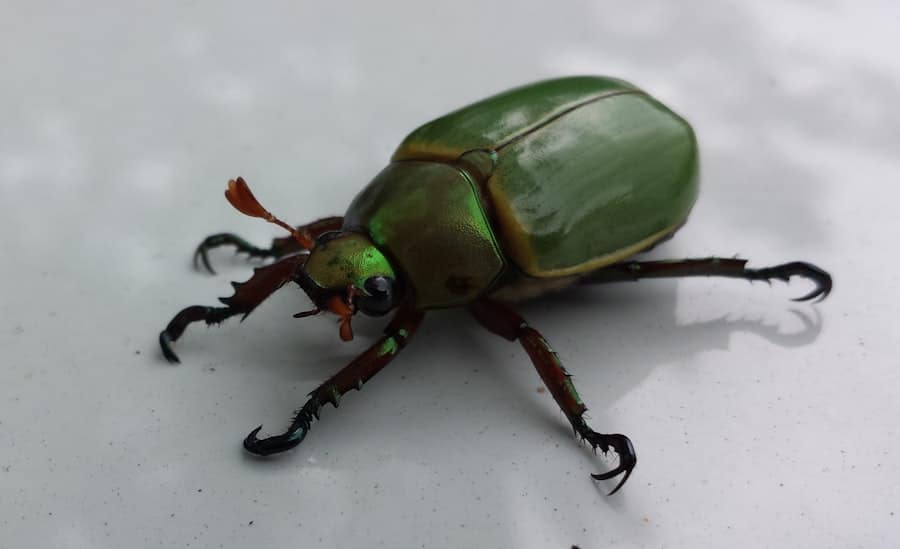
If you find yourself facing an infestation despite your best prevention efforts, it’s crucial to act quickly. The first step is to identify the type of insect you’re dealing with; different pests require different approaches for effective control. For example, if you discover ants in your kitchen, locate their entry point and eliminate any food sources while setting up bait traps nearby.
If bedbugs are the issue, you’ll need to wash all bedding and clothing in hot water and consider using specialized bedbug treatments. In addition to addressing the immediate problem, it’s essential to assess how the infestation occurred in the first place. Look for any gaps or cracks that may have allowed pests to enter and seal them promptly.
Regularly monitoring your home for signs of returning pests will help you stay ahead of potential future infestations. By taking swift action and learning from the experience, you can regain control over your living space.
Seeking professional help: When to call in an exterminator
Sometimes, despite your best efforts, an infestation may be too severe or persistent for DIY methods to handle effectively. In such cases, it may be time to call in a professional exterminator. Look for licensed pest control services with good reviews and a solid reputation in your area.
Professionals have access to advanced tools and techniques that can address infestations more comprehensively than over-the-counter products. Before hiring an exterminator, don’t hesitate to ask questions about their methods and safety protocols. A reputable service will be transparent about their approach and provide information on how long you should stay out of treated areas.
Remember that while professional help may come at a cost, it can save you time, stress, and potentially significant damage to your home in the long run.
Maintaining a pest-free home: Long-term strategies for keeping insects at bay
Once you’ve successfully dealt with an infestation or taken preventive measures against pests, maintaining a pest-free home requires ongoing vigilance. Regular inspections of both the interior and exterior of your home will help you catch potential issues before they escalate into full-blown infestations. Make it a habit to check for cracks or gaps around windows and doors every few months and seal any vulnerabilities you find.
Additionally, consider implementing seasonal pest control measures as part of your routine maintenance. For example, during warmer months when insects are more active, you might want to increase your cleaning frequency or apply natural repellents around entry points more regularly. By staying proactive and committed to maintaining a clean environment, you can significantly reduce the chances of insect invasions in your home over time.
In conclusion, understanding common insect threats and taking proactive measures is essential for keeping your home pest-free. By identifying entry points, employing prevention strategies, utilizing natural remedies when possible, and knowing when to seek professional help, you can create a comfortable living space free from unwanted intruders. Remember that maintaining a pest-free environment is an ongoing effort that requires diligence and adaptability as seasons change and new challenges arise.
If you’re looking for the best pest control service in Louisville Jefferson County, Kentucky, you may want to check out this article on Thrift Pest Control. Insect Invaders: Protecting Your Home from Tiny Trespassers offers valuable tips on keeping your home free from unwanted pests, but it’s always a good idea to have a professional pest control service on hand for any infestations that may arise. Thrift Pest Control in Louisville Jefferson County can help ensure your property stays valuable by keeping it pest-free.
FAQs
What are common types of insect invaders that can enter homes?
Common types of insect invaders that can enter homes include ants, cockroaches, spiders, termites, bed bugs, and various types of beetles.
How do insect invaders typically enter homes?
Insect invaders can enter homes through small cracks and openings in walls, windows, and doors. They can also be brought in on clothing, luggage, or pets.
What are some signs of an insect invasion in a home?
Signs of an insect invasion in a home can include seeing live insects, finding insect droppings or shed skins, noticing damage to wood or fabric, and experiencing unexplained bites or skin irritations.
How can homeowners protect their homes from insect invaders?
Homeowners can protect their homes from insect invaders by sealing cracks and openings, keeping food stored in airtight containers, maintaining a clean and clutter-free environment, and seeking professional pest control services if needed.
Are there any natural methods for keeping insect invaders out of the home?
Yes, there are natural methods for keeping insect invaders out of the home, such as using essential oils, diatomaceous earth, and vinegar to repel insects. Additionally, keeping a clean and well-ventilated home can help deter insect invaders.