When you think about biodiversity, it’s easy to focus on larger, more charismatic animals like elephants or tigers. However, small animal species play a crucial role in maintaining ecological balance. These creatures, which include everything from insects and rodents to amphibians and small mammals, contribute significantly to their ecosystems.
They serve as pollinators, decomposers, and prey for larger animals, creating a web of life that supports the health of the environment. By understanding their importance, you can appreciate how these small beings impact your local ecosystem and why their conservation is vital. Moreover, small animal species often serve as indicators of environmental health.
Their presence or absence can signal changes in habitat quality, pollution levels, or climate conditions. For instance, a decline in frog populations may indicate issues with water quality or habitat destruction. By paying attention to these small creatures, you can gain insights into the overall health of your environment.
This awareness can empower you to take action, whether through conservation efforts or responsible pest management practices, ensuring that these essential species continue to thrive.
Key Takeaways
- Small animal species play a crucial role in maintaining ecosystem balance and biodiversity.
- Identifying and monitoring pest populations on your property is essential for effective pest control.
- Implementing conservation practices such as providing habitat and food sources for small animal species can help maintain ecological balance.
- Utilizing integrated pest management techniques can effectively control pest populations while minimizing harm to small animal species.
- Balancing conservation and pest control efforts is important for maintaining a healthy and sustainable environment.
Identifying Pest Populations on Your Property
To effectively manage pest populations on your property, the first step is to accurately identify which species are present. This process involves careful observation and sometimes even research. You might start by looking for signs of pest activity, such as droppings, nests, or damage to plants and structures.
Keeping a journal of your observations can help you track patterns over time and identify potential problem areas. Understanding the specific pests that inhabit your space will allow you to tailor your management strategies effectively. In addition to visual inspections, you may want to consider using traps or monitoring devices to gather more information about pest populations.
These tools can provide valuable data on the types and numbers of pests present, helping you make informed decisions about how to proceed. Engaging with local extension services or pest management professionals can also enhance your understanding of common pests in your area and their behaviors. By taking the time to identify pest populations accurately, you set the stage for effective management that minimizes harm to beneficial small animal species.
Implementing Conservation Practices for Small Animal Species
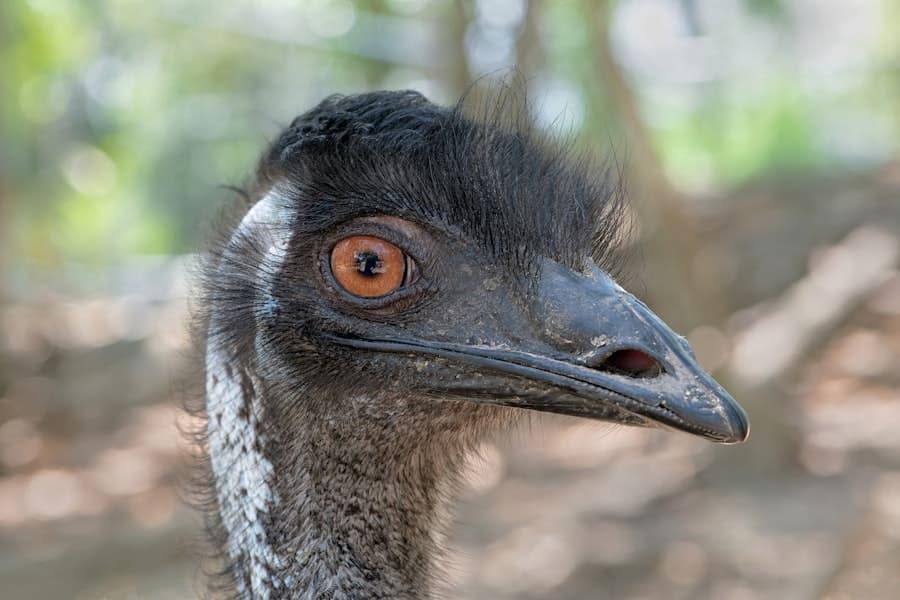
Once you have a clear understanding of the small animal species in your area, it’s time to implement conservation practices that support their survival. Creating habitats that cater to these species is one of the most effective ways to promote biodiversity on your property. This could involve planting native vegetation that provides food and shelter or establishing water sources for animals that require hydration.
By fostering a welcoming environment for small animals, you not only contribute to their conservation but also enhance the overall health of your ecosystem. Another important aspect of conservation is reducing human impact on small animal habitats. This might mean minimizing pesticide use or avoiding practices that lead to habitat destruction, such as excessive lawn mowing or land clearing.
You can also engage in community efforts aimed at protecting local wildlife corridors and natural areas. By advocating for policies that prioritize conservation and educating others about the importance of small animal species, you can amplify your impact beyond your property and contribute to broader conservation efforts.
Utilizing Integrated Pest Management Techniques
Integrated Pest Management (IPM) is a holistic approach that combines various strategies to manage pest populations while minimizing harm to non-target species, including small animals. This method emphasizes prevention and monitoring rather than relying solely on chemical treatments. You might start by implementing cultural practices such as crop rotation or companion planting, which can deter pests naturally while promoting healthy plant growth.
These practices not only reduce pest populations but also create a more balanced ecosystem. In addition to cultural methods, biological control can be an effective component of IPM. This involves introducing natural predators or parasites that target specific pests without harming beneficial species.
For example, ladybugs can help control aphid populations in your garden. By utilizing these natural methods alongside mechanical controls—like traps or barriers—you can create a comprehensive pest management strategy that respects the delicate balance of your ecosystem while effectively addressing pest issues.
Balancing Conservation and Pest Control Efforts
Finding a balance between conservation and pest control can be challenging but is essential for maintaining a healthy ecosystem. You may find yourself in situations where certain pest populations threaten the survival of small animal species or the health of your plants. In these cases, it’s crucial to approach pest control with a mindset that prioritizes ecological integrity.
This means considering the long-term effects of your actions and opting for solutions that minimize harm to non-target species. One way to achieve this balance is by prioritizing non-lethal pest control methods whenever possible. For instance, if rodents are causing damage to your garden, consider using exclusion techniques—such as sealing entry points—before resorting to traps or poisons.
Additionally, educating yourself about the life cycles and behaviors of both pests and beneficial species can help you make informed decisions about when and how to intervene. By adopting a thoughtful approach that considers both conservation and pest control needs, you can create a harmonious environment where all species can thrive.
Seeking Professional Assistance
Here is the rewritten text with 3-4 When to Seek Professional Help
While many aspects of pest management and conservation can be handled independently, there are times when seeking professional assistance is beneficial. Pest management professionals possess specialized knowledge and tools that can help you address complex pest issues effectively while minimizing risks to small animal species.
Expert Assessments and Strategies
They can conduct thorough assessments of your property, identify pest populations accurately, and recommend tailored strategies that align with both your goals and ecological considerations.
Collaborating for Better Outcomes
Additionally, conservation specialists can provide valuable insights into best practices for supporting small animal species in your area. They may offer guidance on habitat restoration projects or connect you with local conservation initiatives that align with your interests. By collaborating with professionals in these fields, you not only enhance your understanding but also contribute to more effective outcomes for both pest management and conservation efforts.
Monitoring and Evaluating the Impact of Conservation and Pest Control Measures
Once you’ve implemented conservation practices and pest control measures, it’s essential to monitor their effectiveness over time. Regular evaluations will help you determine whether your strategies are achieving the desired results or if adjustments are necessary. You might consider keeping detailed records of pest populations, small animal sightings, and any changes in plant health on your property.
This data will provide valuable insights into the impact of your efforts and guide future decision-making. In addition to personal observations, engaging with local wildlife organizations or citizen science projects can enhance your monitoring efforts. These initiatives often provide resources for tracking local biodiversity and may even offer platforms for sharing your findings with others in the community.
By actively participating in monitoring efforts, you contribute to a broader understanding of ecological dynamics while refining your own practices for better outcomes.
Adapting Conservation and Pest Control Strategies as Needed
The landscape of pest management and conservation is ever-changing due to factors like climate change, urban development, and shifts in local ecosystems. As such, it’s crucial to remain flexible and willing to adapt your strategies as needed. Regularly reviewing the effectiveness of your approaches will allow you to identify areas for improvement and respond proactively to emerging challenges.
Staying informed about new research and developments in both pest management and conservation will empower you to make educated decisions about how best to proceed. Engaging with local environmental groups or attending workshops can provide fresh perspectives and innovative ideas for adapting your strategies effectively. By embracing a mindset of continuous learning and adaptation, you ensure that your efforts remain relevant and impactful in supporting both small animal species and effective pest control on your property.
In conclusion, navigating the complexities of small animal conservation and pest management requires a thoughtful approach that balances ecological integrity with practical needs. By understanding the importance of small animal species, identifying pest populations accurately, implementing conservation practices, utilizing integrated pest management techniques, seeking professional assistance when necessary, monitoring outcomes, and remaining adaptable in your strategies, you can create a thriving environment where both biodiversity and human interests coexist harmoniously.
When trying to maintain a balance between conserving small animal species and controlling pest populations on your property, it is important to consider the impact of pest control services. According to a recent article on Thrifty Pest Control, choosing the right pest control service can make a significant difference in achieving this balance. By opting for environmentally-friendly and humane pest control methods, you can effectively manage pest populations while minimizing harm to small animal species. This approach can help create a harmonious ecosystem on your property, where both pests and small animals can coexist in a sustainable manner.
FAQs
What are some ways to conserve small animal species on my property?
Some ways to conserve small animal species on your property include creating wildlife habitats, providing food and water sources, planting native vegetation, and avoiding the use of harmful chemicals.
How can I control pest populations on my property without harming small animal species?
You can control pest populations on your property by using integrated pest management techniques, such as sealing entry points, removing food and water sources, and using traps or natural predators. Avoid using harmful chemicals that can harm small animal species.
What are some examples of small animal species that I should be mindful of conserving on my property?
Some examples of small animal species that you should be mindful of conserving on your property include birds, bats, bees, butterflies, frogs, toads, and small mammals such as squirrels and chipmunks.
How can I create a balanced ecosystem on my property that supports both small animal species and controls pest populations?
You can create a balanced ecosystem on your property by providing diverse habitats, planting a variety of native plants, avoiding the use of harmful chemicals, and implementing integrated pest management techniques that target specific pests without harming small animal species.