
When you suspect that small animals may be invading your space, the first step is to look for signs of their activity. You might notice unusual noises coming from your walls or attic, especially at night when these creatures are most active. Scratching, scurrying, or even faint squeaks can indicate that small animals are making themselves at home in your property.
Pay attention to these sounds, as they can be your first clue that you need to investigate further. Another sign to watch for is the presence of tracks or trails. If you have a garden or yard, you may find small paths worn into the grass or soil, indicating frequent movement.
These trails can lead you to burrows or nests, giving you a clearer picture of the extent of the problem. Additionally, you might notice disturbed insulation in your attic or droppings in corners, both of which are strong indicators of small animal activity. By being vigilant and observant, you can catch these signs early and take appropriate action.
Key Takeaways
- Look for chewed wires, gnawed wood, and small holes as signs of small animal activity
- Common small animals that cause problems include mice, rats, squirrels, and raccoons
- Identifying small animal damage can help determine the type of animal causing the issue
- Tracks and traces can help identify small animal footprints, such as the size and shape of the prints
- Small animal droppings can indicate the presence of rodents or other pests in the area
Common Small Animals That Cause Problems
Several small animals are notorious for causing issues in residential areas. Rodents, such as mice and rats, are among the most common culprits. They can invade your home in search of food and shelter, often leading to significant damage and health risks.
Mice are particularly adept at squeezing through tiny openings, making them difficult to keep out once they find a way in. Their ability to reproduce quickly means that a small problem can escalate into a full-blown infestation if not addressed promptly. Other small animals that may cause problems include squirrels, raccoons, and rabbits.
Squirrels often invade attics and can chew through wires and insulation, leading to potential fire hazards. Raccoons are known for rummaging through trash cans and can also cause structural damage when they attempt to enter homes. Meanwhile, rabbits can wreak havoc on gardens and landscaping, consuming plants and flowers.
Understanding which small animals are common in your area can help you identify potential threats and take preventive measures.
Identifying Small Animal Damage
Once you’ve identified signs of small animal activity, the next step is to assess the damage they may have caused. Look for gnaw marks on wood, wires, or plastic materials; these are clear indicators of rodent activity. Mice and rats have strong teeth that allow them to chew through various materials in search of food or nesting materials.
If you notice any holes or gaps in walls or floors, it’s essential to investigate further, as these could be entry points for more animals. In addition to gnaw marks, you should also check for nesting materials scattered around your home. Small animals often use shredded paper, fabric, or insulation to create nests in hidden areas like attics or basements.
If you find these materials along with droppings or tracks, it’s a strong indication that small animals have taken up residence in your space. By identifying the type and extent of the damage, you can better determine the necessary steps to take for removal and prevention.
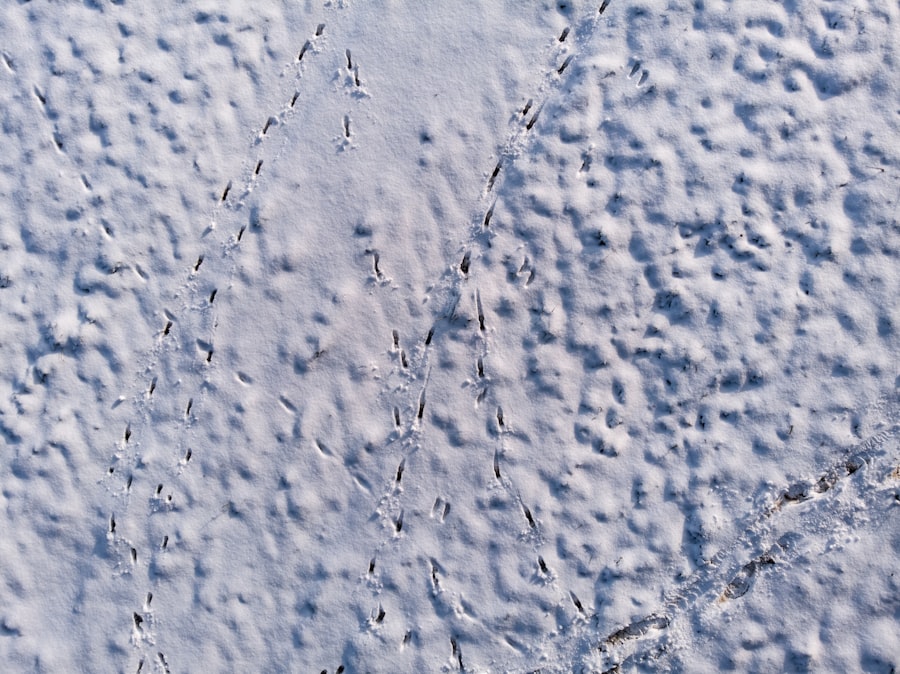
Tracks and Traces: How to Identify Small Animal Footprints
One effective way to identify small animals is by examining their footprints. Each species leaves distinct tracks that can help you determine what type of animal is present. For instance, mouse tracks are typically small and feature four toes on each foot, while rat tracks are larger with a more pronounced shape.
Squirrel tracks often show a unique pattern due to their long hind feet and shorter front feet. To find these tracks, look for muddy or dusty areas where animals may have walked. You might also consider using a tracking powder or flour spread over a surface where you suspect activity; this can help reveal clear footprints as animals pass through.
By familiarizing yourself with the characteristics of different animal tracks, you can gain valuable insights into which species are frequenting your property and tailor your response accordingly.
Small Animal Droppings: What to Look For
Droppings are another telltale sign of small animal presence and can provide crucial information about the type of animal you’re dealing with. For example, mouse droppings are small, dark pellets about the size of a grain of rice, while rat droppings are larger and more cylindrical in shape. Squirrel droppings resemble small pellets but may have a more irregular shape due to their diet.
When inspecting droppings, pay attention to their location as well. Finding droppings near food sources or nesting areas can indicate where the animals are spending their time. Additionally, fresh droppings are usually darker and shinier than older ones, which may be dried out and crumbly.
By carefully examining droppings, you can gather important clues about the type of small animal invading your space and how best to address the issue.
Small Animal Nests and Burrows

Nests and burrows are often clear indicators of small animal activity in your home or yard. Nests can be found in hidden areas such as attics, basements, or even inside walls where insulation is present. These nests are typically made from shredded materials like paper, fabric, or plant matter and can vary in size depending on the species creating them.
Burrows are another sign of small animal activity, particularly for creatures like rabbits or groundhogs. You may notice holes dug into your yard or garden beds, often accompanied by displaced soil or grass. These burrows serve as homes for the animals and can lead to significant damage if left unchecked.
By locating nests and burrows, you can better understand the extent of the infestation and take appropriate measures to remove the animals safely.
Calling in the Professionals: When to Seek Help
While some small animal issues can be managed independently, there are times when it’s best to call in professionals. If you find yourself dealing with a significant infestation or if the animals pose health risks—such as raccoons or bats—it’s wise to seek expert assistance. Professionals have the training and tools necessary to handle these situations safely and effectively.
Additionally, if you’re unsure about how to identify the specific type of animal causing problems or how to remove them without causing harm, enlisting professional help can save you time and frustration. They can assess the situation thoroughly and provide tailored solutions that address both removal and prevention strategies moving forward.
Prevention and Control: Keeping Small Animals at Bay
Preventing small animal invasions is often more effective than dealing with an infestation after it occurs. Start by sealing any gaps or holes around your home’s foundation, windows, and doors; even small openings can serve as entry points for determined critters. Installing screens on vents and chimneys can also help keep unwanted guests out.
In addition to sealing entry points, consider implementing measures that deter small animals from approaching your property in the first place. Keeping food sources secure—such as storing pet food in airtight containers—can reduce the likelihood of attracting rodents or other pests. Regularly cleaning up debris in your yard and maintaining landscaping can also minimize hiding spots for small animals.
By taking proactive steps toward prevention, you can create an environment that is less inviting to unwanted guests while ensuring your home remains safe and secure.
If you are struggling to identify the small animals causing problems on your property, you may want to consider hiring a professional pest control service. Thrift Pest Control offers the best pest control service in Houston, Texas, and Tallahassee, Florida. Their team of experts can help you identify and eliminate any pests that may be causing issues on your property. For more information on their services, you can visit their website.
FAQs
What are some common small animals that can cause problems on a property?
Some common small animals that can cause problems on a property include squirrels, raccoons, skunks, mice, rats, moles, voles, and groundhogs.
How can I identify the small animals causing problems on my property?
You can identify the small animals causing problems on your property by looking for signs such as droppings, tracks, burrows, chewed or damaged plants, and evidence of digging or nesting.
What are some methods for identifying small animals on my property?
Some methods for identifying small animals on your property include setting up motion-activated cameras, using live traps, inspecting the property for signs of animal activity, and consulting with a wildlife professional.
Why is it important to identify the small animals causing problems on my property?
It is important to identify the small animals causing problems on your property so that you can take appropriate measures to address the issue and prevent further damage to your property.
What should I do if I have identified small animals causing problems on my property?
If you have identified small animals causing problems on your property, you should consider contacting a wildlife professional to help with removal and prevention strategies. It is important to address the issue in a humane and effective manner.