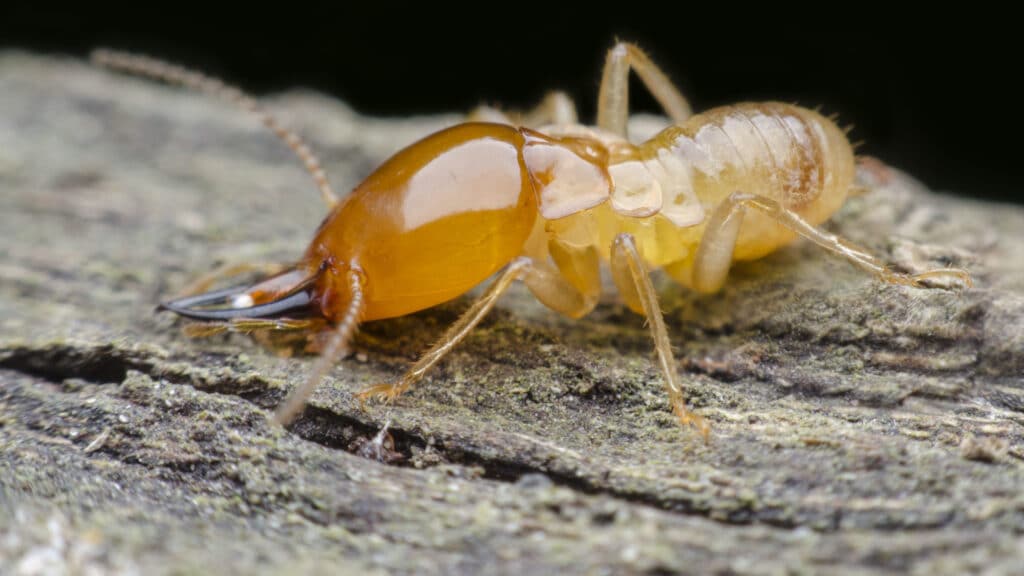
What if I told you that understanding the pests in your home can save you from costly damages and health risks? Identifying these little critters is crucial not only for your peace of mind but also for maintaining a safe and enjoyable living environment. This comprehensive guide will walk you through the various types of pests you may encounter, from termites to ticks, providing tips on how to identify them and what steps to take if you find them in your space.
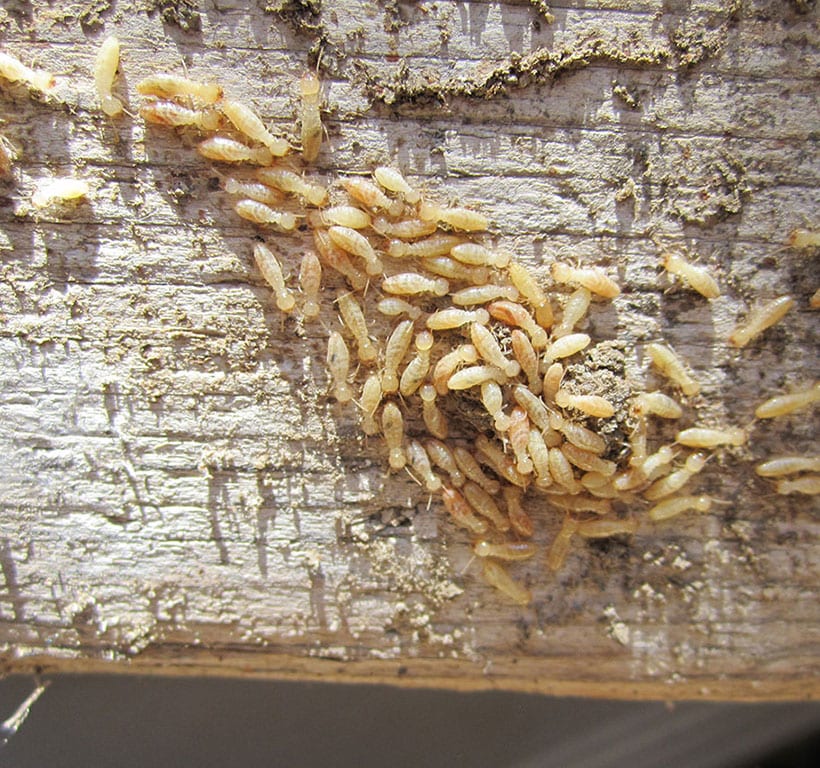
Understanding Pests
Pests are creatures that can invade your living space, causing damage to your property or posing health risks to you and your family. They come in various shapes, sizes, and behaviors, which can make identification tricky. Knowing what to look for can empower you to act quickly when you suspect a pest issue.
Pests can be broadly categorized into two groups: structural pests, which cause damage to buildings, and health pests, which can harm humans. Recognizing which category a pest belongs to is essential for determining how to manage the problem effectively.
Why Identification Matters
Proper identification is the first step in effective pest control. Misidentifying a pest can lead to ineffective treatments and wasted resources. For instance, treating an ant infestation with a termite solution won’t solve your problem, and in some cases, it could even worsen the situation.
Understanding the specific habits and habitats of pests allows you to tailor your approach to prevention and control. Moreover, some pests require immediate attention while others can be tolerated with minor steps. Knowledge is your best ally when it comes to pest management.
Termites
What Are Termites?
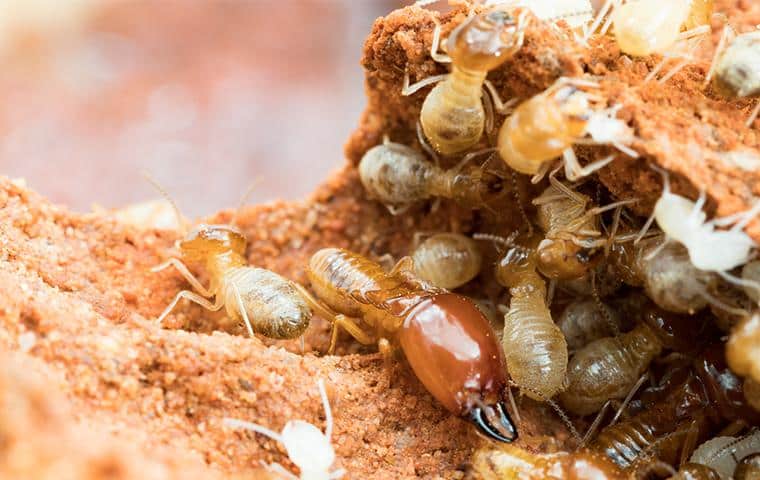
Termites are small, social insects that primarily feed on wood. They live in colonies, often hidden away from sight, and have the potential to wreak havoc if left unchecked. Termites can cause significant structural damage, which may lead to costly repairs in homes and buildings.
Identifying Termites
Physical Characteristics
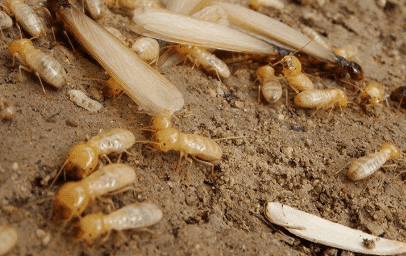
Adult termites are typically creamy white to light brown and have a soft body. They can often be confused with ants, but termites have straight antennae and a broad waist. Here’s a quick breakdown of their life stages:
| Life Stage | Description |
|---|---|
| Eggs | Tiny, white eggs laid in clusters |
| Nymphs | Immature termites that resemble adults but are smaller |
| Workers | Sterile females responsible for foraging and nesting |
| Soldiers | Protect the colony with large mandibles |
| Reproductive | Winged swarmers that leave the colony to mate |
Signs of Infestation
Look for the following signs to determine if termites are in your home:
- Mud tubes: These are pencil-sized tubes made of soil and wood used by termites to travel and protect themselves from predators.
- Wood damage: Hollow-sounding wood or frass (termite droppings) may indicate an infestation.
- Swarmers: If you notice winged termites inside or around your house, it’s a clear sign of a nearby colony.
How to Deal with Termites
If you suspect a termite problem, consult a pest control professional immediately. They can conduct a thorough inspection and recommend a suitable treatment plan. Prevent future infestations by keeping wood and moisture away from your home, sealing cracks, and using treated lumber.
Ants
What Are Ants?
Ants are social insects that live in organized colonies or groups. They are known for their industrious behavior and complex social structures. While most ants are harmless and even beneficial in outdoor environments, some species can invade homes and become nuisances.
Identifying Ants
Physical Features
Ants usually have segmented bodies and a narrow waist. The colors can range from black to red and even yellowish, depending on the species. Here’s a quick reference table on common types of ants:
| Ant Type | Color | Size | Common Signs of Infestation |
|---|---|---|---|
| Carpenter Ant | Black or red | 1/4–1/2″ | Sawdust-like debris, crumbling wood |
| Sugar Ant | Brown to black | 1/8–1/4″ | Trails leading to food sources |
| Fire Ant | Reddish-brown | 1/8″ | Painful stings, visible mounds |
Signs of Infestation
To identify an ant problem, watch for:
- Ant trails: These are pheromone paths that ants follow to food sources.
- Nests: Look for small mounds in your yard or cracks in your walls where ants might have settled.
- Food sources: Ants are attracted to sugar, fatty foods, and protein, so spills and crumbs can lead to infestations.
How to Handle Ants
Prevention is your best approach. Keep food stored in airtight containers and clean up spills promptly. If you find a nest indoors, you may opt for bait stations or professional pest control services for more severe infestations.
Cockroaches
What Are Cockroaches?
Cockroaches are hardy pests known for their ability to survive in various conditions. They thrive in warm, dark places and can reproduce quickly, making them a significant health concern as they can carry diseases.
Identifying Cockroaches
Physical Characteristics
Cockroaches have flat, oval-shaped bodies and long antennae, varying in color from reddish-brown to black. Here’s a summary of common types:
| Cockroach Type | Size | Distinct Features |
|---|---|---|
| American | 1.5 – 2″ | Reddish-brown, may fly |
| German | 1/2 – 2″ | Two dark stripes on its back |
| Oriental | 1 – 1.5″ | Shiny black, prefers moisture |
Signs of Infestation
Be vigilant for:
- Droppings: Small, dark, and pepper-like droppings left behind can indicate a roach problem.
- Egg cases: These are oval, brownish casings that cockroaches carry or leave behind.
- Foul odor: A musty, oily smell can signify a large infestation.
Managing Cockroaches
Proper sanitation is vital for cockroach prevention. Keep your kitchen clean and seal any entry points around pipes and vents. If you spot a roach, traps or baits may work, but persistent problems may require professional intervention.
Bed Bugs
What Are Bed Bugs?
Bed bugs are small, parasitic insects that feed on human blood. They are notoriously difficult to eliminate and can quickly spread from one area to another. Understanding how to identify them is key to managing an infestation.
Identifying Bed Bugs
Physical Appearance
Adult bed bugs are flat, oval, and reddish-brown, about the size of an apple seed. The following are signs of bed bug activity:
| Sign | Description |
|---|---|
| Bites | Red, itchy welts on your skin, often in clusters |
| Insect shells | Shed skins left behind as they grow |
| Stains | Dark, blood-like stains on bedding or furniture |
Detection Techniques
To spot potential bed bug problems:
- Inspect mattresses and sheets during cleaning.
- Check for blood stains on your bedding.
- Use bed bug monitors placed around sleeping areas.
Treating Bed Bugs
If you encounter bed bugs, consider consulting a pest control professional. They may employ heat treatments, insecticides, or integrated pest management strategies. Prevent re-infestation by encasing mattresses and reducing clutter.
Ticks
What Are Ticks?
Ticks are small, blood-feeding arachnids that can transmit diseases to both humans and animals. They are often found in tall grass, wooded areas, and on pets, making identification and management essential for outdoor enthusiasts.
Identifying Ticks
Life Cycle & Appearance
Ticks go through several stages: larva, nymph, and adult. They typically range from 1mm to 1cm in size and can be brown, black, or reddish. Here’s a simple table for common tick species:
| Tick Species | Size | Common Habitats |
|---|---|---|
| Deer Tick | 1-2 mm (larva) | Wooded areas, gardens |
| American Dog Tick | 3-5 mm | Grasslands, forests |
| Brown Dog Tick | 3-7 mm | Homes, kennels, indoors |
Signs of Tick Presence
Look for:
- Attachments on skin: Ticks often attach to humans and pets, making regular checks essential.
- Rash or symptoms: Be alert for any unusual symptoms like fever or rashes after a tick bite.
Tick Prevention and Treatment
Prevent ticks by wearing long pants and using insect repellents in tick-prone areas. If you find a tick on yourself or a pet, use fine-tipped tweezers to remove it carefully. Consult a healthcare professional if you develop symptoms or if the tick is deeply embedded.
Mice
What Are Mice?
Mice are tiny rodents that can invade homes in search of food and shelter. Their rapid reproduction can quickly lead to infestations if not addressed promptly.
Identifying Mice
Physical Characteristics
Mice are typically small, having pointed snouts, large ears, and long tails. Common signs of an infestation include:
| Sign | Description |
|---|---|
| Droppings | Small, dark, pellet-like feces |
| Gnaw marks | Chewed surfaces on food packaging or furniture |
| Nests | Shredded paper or fabric in hidden areas |
Monitoring for Mice
Keep an eye out for:
- Squeaking noises: Sounds from walls or ceilings may indicate movement.
- Tracks: Look for small footprints in dusty areas or around food containers.
How to Deal with Mice
Prevent mice by sealing entry points and maintaining cleanliness in your home. You can set traps or use bait stations, but if the problem escalates, contacting a pest control expert may be necessary.
Conclusion
Understanding and identifying ordinary household pests is the first step towards effective pest management. While each pest has its unique characteristics and behaviors, recognizing the signs and knowing how to respond can make all the difference in keeping your home safe and comfortable.
Taking proactive measures, such as regular inspections and maintaining a clean living environment, will help you keep these pests at bay. If you ever feel overwhelmed by a pest invasion, remember that professional help is available to guide you through the necessary steps. By staying informed and prepared, you can reduce the risks associated with pests in your home.
Which pests are most concerning to you? Whether it’s termites in your attic or ticks on your dog, understanding their habits and addressing them swiftly will make managing pests much more manageable.