
From Lawn To Living Room: A Complete Guide To Outdoor And Indoor Pest Control
Have you ever wondered what it takes to keep your home and yard free from pesky bugs and critters? Managing pests can seem overwhelming, but you can reclaim your indoor and outdoor space with some knowledge and the right strategies. In this guide, you’ll learn everything you need about pest control to relax and enjoy your surroundings without worrying about unwelcome visitors.
Understanding Pests: What Are You Up Against?
Before effectively controlling pests, you must understand what types you might encounter in your yard and home. Here’s a brief overview.
Common Outdoor Pests
In your garden and lawn, certain pests can be exceptionally bothersome. Here are some of the most common outdoor pests you may encounter:
| Pest | Description | Damage Caused |
|---|---|---|
| Ants | Small insects living in colonies | Can invade your home in search of food |
| Aphids | Tiny, soft-bodied insects | Deplete plant sap, leading to wilting |
| Beetles | Hard-shelled insects | Can feed on plants and foliage |
| Spiders | Eight-legged arachnids | It can be beneficial but often frightens people |
| Mosquitoes | Flying insects | Cause painful bites and can transmit diseases |
Understanding these common pests can help you identify and combat them effectively.
Common Indoor Pests
While outdoor pests can wreak havoc on your garden, indoor pests can disrupt your comfort and health. Here are some prevalent indoor pests:
| Pest | Description | Damage Caused |
|---|---|---|
| Cockroaches | Brown, flat insects | Can contaminate food and spread allergens |
| Bed Bugs | Small, brownish insects that feed on blood | Cause itchy bites and sleepless nights |
| Rodents | Mice and rats | Chew through wires and contaminate food |
| Termites | Wood-eating insects | Cause severe structural damage to homes |
| Silverfish | Silvery, wingless insects | Feed on paper and fabric, damaging belongings |
I think it’s essential that you can quickly control these pests in your home.
The Importance of Pest Control
Why should you invest time and effort into pest control? Well, the benefits are numerous!
Health Risks
Pests are not just annoying; they can pose real health risks. For example, mosquitoes can spread diseases, while cockroaches can exacerbate asthma and allergies.
Structural Damage
Certain pests, like termites, can cause severe structural damage to your property. Being proactive about pest control can save you from costly repairs.
Peace of Mind
A pest-free home ensures your health and property’s safety and creates a peaceful atmosphere where you can relax and enjoy your time with family and friends.

Prevention: The Best Form of Control
An effective pest control strategy starts with prevention. By implementing proactive measures, you can take control of your environment and save yourself a lot of trouble later on.
Maintain Cleanliness
Keeping your home and yard clean is the first defense against pests.
- Inside: Regularly vacuum, wipe down surfaces and store food in sealed containers.
- Outside: Keep your garden tidy by removing debris and trimming overgrown plants.
Seal Entry Points
Pests can find their way into your home through even the tiniest openings.
- Windows and Doors: Install screens and check that door seals are tight.
- Cracks and Crevices: Fill gaps in walls and foundational cracks with caulk to block access.
Landscaping
Your yard is a significant factor in pest control. Here are some landscaping tips to consider:
- Native Plants: Opt for native plants less appealing to harmful pests.
- Distance: Keep mulch and firewood stacked away from your home to deter pests.
Natural Pest Control Methods
If you prefer a more environmentally friendly approach to pest control, several natural methods can be effective.
Essential Oils
Essential oils have pest-repelling properties and can be used in various ways.
- Peppermint Oil: Known to repel ants and spiders, you can create a spray by mixing a few drops of oil with water.
- Tea Tree Oil: Effective against mold and mildew, it’s excellent for keeping indoor air fresh and pest-free.
Diatomaceous Earth
This natural, abrasive powder can deter many pests, including ants and cockroaches.
- Application: Sprinkle it in areas where pests are frequent. It works by damaging their exoskeletons, leading to dehydration.
Homemade Traps
You can create simple traps from everyday household items.
- Jar Traps: For fruit flies, fill a jar with apple cider vinegar and cover it with plastic wrap, poking small holes for the flies to enter.
- Soap and Water Traps: Mix dish soap with water to attract and trap gnats, and leave the mixture out in small dishes.
Chemical Pest Control Options
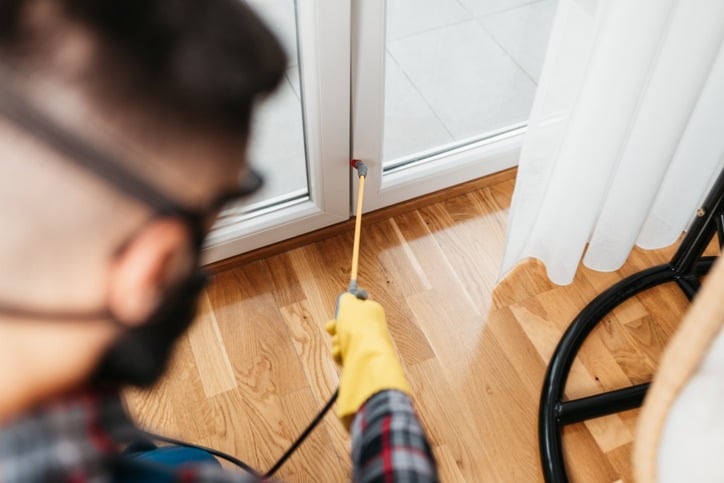
While natural methods can be effective, sometimes chemical solutions become necessary. It’s essential to use them wisely.
Pesticides
Pesticides come in various forms, including sprays, granules, and baits. Here are some tips for safe usage:
- Read Labels: Always follow the instructions carefully to minimize health risks.
- Target Specific Pests: Choose products designed for the specific pest you’re encountering to avoid harming beneficial insects.
Professional Extermination
Sometimes, the pest problem becomes too overwhelming for DIY methods. Hiring a professional may be your best option.
- Integrated Pest Management (IPM): Look for pest control services that use IPM strategies, balancing effective pest control with minimal environmental impact.
Dealing with Specific Pests
Every pest presents unique challenges. You can effectively manage some specific offenders by understanding their behavior and habits.
Ants
Ants communicate through pheromones, making it crucial to eliminate their trails.
- Bait and Trap: Use bait stations to attract ants. The ants will return the bait to their queen, eliminating the colony.
- Prevent Entry: Seal cracks and keep food stored properly.
Cockroaches
These resilient pests can multiply quickly. Here’s how to control them:
- Clean Up: Reduce clutter, vacuum floors, and keep food in sealed containers to eliminate food sources.
- Egg Cases: Look for egg casings; regular cleaning can help remove these future generations.
Bed Bugs
Bed bugs can be particularly challenging.
- Inspection: Regularly check bedding and furniture for signs of infestation.
- Heat Treatment: Use high heat to wash bedding and infested items, as bed bugs cannot withstand temperatures above 120°F.
Mosquitoes
These insects thrive in stagnant water. Here’s how to manage them:
- Eliminate Standing Water: Regularly empty bird baths, flowerpots, or any items that can collect water.
- Natural Predators: Introduce plants that attract mosquito-eating species like dragonflies to your yard.
Termites
Termites can be devastating. Here’s how to deal with them:
- Professional Inspection: If you suspect termite activity, seek professional help to evaluate the damage.
- Moisture Control: Keep your home’s wood dry, as termites prefer damp conditions.
The Role of Pets in Pest Control
If you have pets, they can also play a role in pest control! Here’s how your furry friends can help:
Natural Predators
Some pets, especially cats, can be natural hunters. They often keep rodent populations at bay, making your home less attractive to pests.
Pest Control Products Safe for Pets
If you decide to use pest control products, ensure they’re safe for your pets. Always check labels and consult with your vet for recommendations.
Seasonal Pest Control
Different pests appear in different seasons. Staying ahead of these changes can keep infestations at bay.
Spring and Summer
- Insects: Ants and mosquitoes tend to multiply during warmer months. Regularly treat your lawn and keep entry points sealed.
- Weeds: Preventing weed growth can reduce hiding places for pests.
Fall and Winter
- Rodents: As temperatures drop, rodents seek warmth. Seal all entry points and maintain cleanliness to deter them.
- Inspections: Regularly inspect your home during these months, as more pests may try to move indoors.

Conclusion: A Pest-Free Home is Just a Strategy Away
Managing pests—both inside your house and outside in your yard—may seem daunting, but it’s entirely achievable. With proactive measures, natural solutions, and perhaps some chemical assistance, you can keep your living spaces enjoyable and pest-free.
Now that you’ve covered the basics of pest control, it’s time to put your knowledge into practice. Prevention is often the best solution, so stay vigilant, keep your spaces clean, and cultivate an environment that discourages pests. Enjoy the peace of a pest-free home, and let the insights you’ve gained guide you along the way!
===========
Content 10/10/G