
When you think about pest control, your mind might immediately jump to the more notorious pests like rodents or cockroaches. However, spiders often find themselves in the crosshairs of pest management strategies as well. Understanding spider behavior is crucial for effective pest control, as it allows you to make informed decisions about how to manage these eight-legged creatures.
Spiders are not just random intruders in your home; they play a significant role in the ecosystem, often helping to keep other pest populations in check. By gaining insight into their habits and habitats, you can better appreciate their presence and the necessity of a balanced approach to pest control. Spiders exhibit a range of behaviors that can influence their populations in residential and commercial settings.
They are primarily nocturnal hunters, using webs or ambush tactics to capture prey. Their activity levels can fluctuate based on environmental factors such as temperature, humidity, and the availability of food sources. This means that when you implement pest control measures, it’s essential to consider how these actions will affect spider behavior and populations.
A comprehensive understanding of spider behavior not only aids in effective pest management but also helps you navigate the complexities of living alongside these often-misunderstood creatures.
Key Takeaways
- Spiders play a crucial role in pest management by preying on other insects and maintaining ecological balance.
- Pest control methods can impact spider populations and behavior, leading to changes in their activity and distribution.
- Factors such as habitat, food availability, and environmental conditions influence spider activity after pest control treatments.
- Common misconceptions about spiders and pest control can lead to unnecessary fear and misunderstanding of their role in the ecosystem.
- Integrated pest management is essential for controlling spiders and other pests while maintaining a balanced ecosystem.
The Impact of Pest Control on Spider Populations
The Temporary Reduction in Spider Populations
This decline in spider populations may seem like a positive outcome at first, but it’s essential to recognize that this disruption can have cascading consequences on the ecosystem within your home. The impact of pest control on spider populations can vary depending on the methods used.
The Risks of Chemical Pesticides can kill not only the targeted species but also non-target species like spiders. On the other hand, more environmentally friendly approaches, such as integrated pest management (IPM), focus on minimizing harm to beneficial organisms while effectively controlling pests.
Maintaining a Healthy Balance
By adopting such strategies, you can help maintain a healthy balance between managing unwanted pests and preserving the natural predators that spiders represent.
Factors that Influence Spider Activity After Pest Control

After implementing pest control measures, several factors can influence spider activity in your environment. One of the most significant factors is the availability of food sources. If pest control has successfully reduced the population of insects, spiders may find it challenging to locate adequate food, leading to decreased activity or even migration to other areas in search of sustenance.
Additionally, environmental conditions such as temperature and humidity can play a crucial role in determining how active spiders are post-treatment. For example, warmer temperatures may encourage spiders to remain active longer, while cooler conditions could prompt them to seek shelter. Another factor to consider is the type of pest control method employed.
Chemical treatments may create an immediate impact on spider populations, but their long-term effects can vary. Some spiders may develop resistance to certain chemicals over time, while others may simply relocate to areas where they are less exposed to these treatments. Understanding these dynamics can help you anticipate changes in spider behavior and adjust your management strategies accordingly.
Common Misconceptions About Spiders and Pest Control
Many misconceptions surround spiders and their role in pest control, leading to misunderstandings about how best to manage them. One common myth is that all spiders are harmful and should be eradicated at all costs. In reality, most spiders are harmless and beneficial, preying on insects that can be far more damaging to your home or garden.
By viewing spiders solely as pests, you may overlook their valuable contributions to natural pest management. Another misconception is that pest control measures will completely eliminate spiders from your environment. While it’s true that certain methods can reduce spider populations temporarily, it’s nearly impossible to eradicate them entirely due to their adaptability and resilience.
Instead of aiming for complete elimination, a more effective approach is to focus on managing spider populations while allowing beneficial species to thrive. This balanced perspective can lead to healthier ecosystems both indoors and outdoors.
The Role of Spiders in Pest Management
Spiders play an essential role in natural pest management by preying on various insects that can become nuisances or threats in your home or garden. They are often referred to as “natural pest controllers” because they help keep insect populations in check without the need for chemical interventions. By understanding this role, you can appreciate the importance of maintaining a healthy spider population as part of your overall pest management strategy.
In addition to controlling insect populations, spiders contribute to biodiversity within ecosystems. Their presence indicates a balanced environment where various species coexist harmoniously. When you recognize the value of spiders in maintaining ecological balance, you may be more inclined to adopt integrated pest management practices that prioritize coexistence rather than eradication.
How Pest Control Methods Affect Spider Behavior
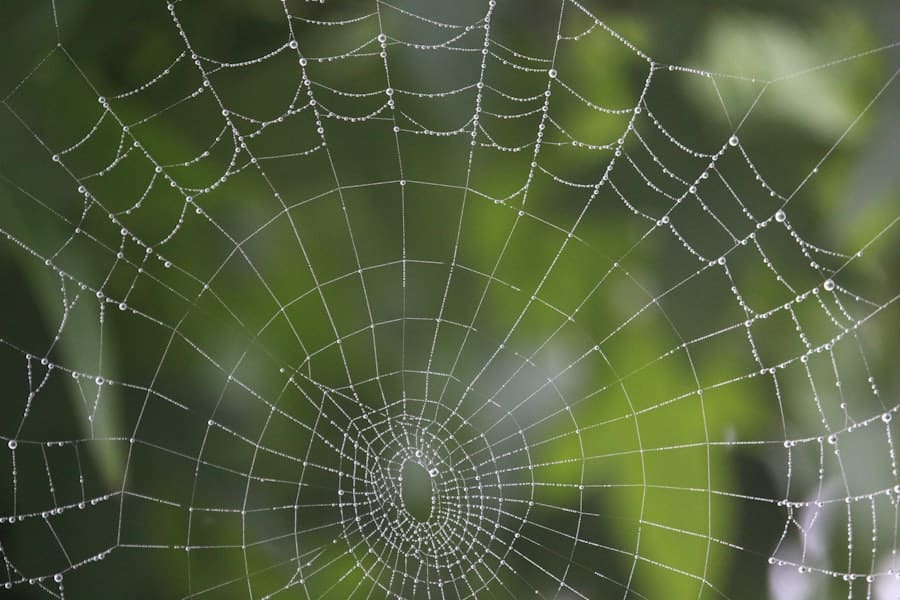
The Impact of Pest Control on Spider Behavior and Populations
Pest control methods can have a significant impact on spider behavior and populations in your home or garden. Chemical pesticides may be effective in eliminating targeted pests, but they can also have unintended consequences for non-target species like spiders. These chemicals can disrupt spider feeding patterns or reproductive cycles, leading to declines in their populations over time.
### Minimizing Harm to Spiders
Non-chemical methods, such as traps or exclusion techniques, can minimize harm to spiders while still addressing unwanted pests. For example, sealing cracks and crevices can prevent pests from entering your home without negatively impacting the spiders already residing there.
### Creating a Sustainable Approach
By selecting pest control methods that consider the broader ecological implications, you can create a more sustainable approach that benefits both your living space and its inhabitants. This approach can help maintain a healthy balance between humans and the natural world.
Tips for Managing Spiders After Pest Control
After implementing pest control measures, it’s essential to manage spider populations effectively while minimizing any negative impacts on beneficial species. One effective strategy is to maintain cleanliness in your home by regularly vacuuming and dusting areas where spiders may build webs or hide. This not only removes potential food sources but also discourages spiders from settling in your space.
Another tip is to create barriers that prevent spiders from entering your home without resorting to harmful chemicals. Sealing gaps around windows and doors or using screens can help keep unwanted pests out while allowing beneficial spiders to thrive outdoors. Additionally, consider planting native plants in your garden that attract beneficial insects and provide habitats for spiders, fostering a balanced ecosystem right outside your door.
Understanding the Relationship Between Spiders and Other Pests
To effectively manage spider populations, it’s crucial to understand their relationship with other pests in your environment. Spiders primarily feed on insects such as flies, mosquitoes, and moths—pests that can cause significant annoyance or damage if left unchecked. By recognizing this predator-prey dynamic, you can appreciate how spiders contribute to controlling other pest populations naturally.
Furthermore, understanding this relationship allows you to make informed decisions about pest control strategies. For instance, if you notice an increase in spider activity after implementing measures against other pests, it may indicate that your efforts are working effectively by reducing their food sources. This insight can help you adjust your approach accordingly and maintain a healthy balance between managing unwanted pests and preserving beneficial spider populations.
The Importance of Integrated Pest Management for Controlling Spiders
Integrated Pest Management (IPM) is a holistic approach that combines various strategies for effective pest control while minimizing harm to beneficial organisms like spiders. By focusing on prevention, monitoring, and targeted interventions rather than blanket chemical applications, IPM allows for a more sustainable way of managing pests in your home or garden. One key aspect of IPM is understanding the life cycles and behaviors of both pests and their natural predators—like spiders.
By recognizing when certain pests are most active or vulnerable, you can time your interventions more effectively while allowing beneficial species to thrive. This approach not only helps control unwanted pests but also fosters a healthier ecosystem overall.
How to Monitor and Prevent Spider Infestations After Pest Control
Monitoring spider activity after implementing pest control measures is essential for understanding how effective your strategies have been and whether adjustments are needed. Regularly inspecting areas where spiders are likely to build webs or hide can provide valuable insights into their populations and behaviors over time. Preventing future spider infestations involves creating an environment that discourages them from entering your home while still allowing beneficial species to thrive outdoors.
This includes sealing entry points, maintaining cleanliness, and using natural deterrents like essential oils or vinegar sprays that repel spiders without harming them. By taking proactive steps, you can create a balanced living space where both humans and spiders coexist harmoniously.
Finding a Balance Between Pest Control and Spider Management
In conclusion, navigating the complexities of pest control and spider management requires a nuanced understanding of both ecosystems at play within your home or garden. While it’s natural to want to eliminate unwanted pests, it’s equally important to recognize the valuable role that spiders play in maintaining ecological balance. By adopting integrated pest management practices that prioritize coexistence over eradication, you can create a healthier environment for yourself while allowing beneficial species like spiders to thrive.
Ultimately, finding this balance involves ongoing education about spider behavior and the impacts of various pest control methods on their populations. By staying informed and proactive in your approach, you can effectively manage unwanted pests while fostering a harmonious relationship with the natural world around you—one where both humans and spiders can coexist peacefully.
If you are wondering if spiders come out after pest control, you may want to read the article on the best pest control service in Fayetteville, North Carolina. This article may provide insight into how effective pest control services are in eliminating spiders and other pests from your home. Check out the article here for more information.
FAQs
Do spiders come out after pest control?
Yes, it is possible for spiders to come out after pest control treatment. While pest control treatments can effectively eliminate many pests, it may not completely eradicate all spiders in the area.
Why do spiders come out after pest control?
Spiders may come out after pest control treatment because they are not directly targeted by all pest control methods. Additionally, the elimination of other pests may disrupt the spiders’ food source, causing them to become more visible.
What can be done to prevent spiders from coming out after pest control?
To prevent spiders from coming out after pest control, it is important to address any potential entry points for spiders and implement measures to reduce their presence, such as sealing cracks and crevices, removing clutter, and keeping the area clean and free of debris.
Are there specific pest control methods that target spiders?
Yes, there are specific pest control methods that can target spiders, such as using insecticides labeled for spider control, implementing spider traps, and reducing the spider’s food source by controlling other pests.
How long does it take for pest control to effectively eliminate spiders?
The effectiveness of pest control in eliminating spiders can vary depending on the specific treatment method used, the severity of the spider infestation, and the environmental conditions. It may take several days to weeks for pest control to effectively eliminate spiders.