
In a world increasingly concerned with health and environmental sustainability, the quest for effective pest control methods has led many to explore natural alternatives. You may find yourself seeking solutions that not only keep pests at bay but also align with your values of safety and ecological responsibility. Natural pest repellents, particularly those derived from aromas and scents, have gained popularity as viable options for managing unwanted insects and critters in homes and gardens.
These methods offer a refreshing departure from traditional chemical pesticides, which can pose risks to both human health and the environment. As you delve into the realm of natural pest repellents, you will discover a rich tapestry of options that harness the power of nature. From essential oils to herbal concoctions, these alternatives provide a holistic approach to pest management.
By understanding the science behind these aromas and their effects on pests, you can make informed choices that not only protect your living spaces but also contribute to a healthier planet. This article will guide you through the fascinating world of natural pest repellents, exploring their effectiveness, safety, and practical applications.
Key Takeaways
- Natural pest repellents can be an effective and eco-friendly alternative to chemical pesticides.
- Aromas and scents play a crucial role in repelling pests due to their impact on the insects’ sensory systems.
- Essential oils such as peppermint, lavender, and eucalyptus are commonly used as natural pest repellents.
- DIY pest repellent recipes using aromas and scents can be easily made at home using simple ingredients.
- Incorporating aromas and scents into pest management plans can enhance the effectiveness of natural pest control methods.
The Science Behind Aromas and Pest Repellents
The effectiveness of natural pest repellents lies in the intricate relationship between scents and insect behavior. You may be surprised to learn that many pests rely heavily on their sense of smell to navigate their environments, locate food sources, and find mates. This reliance on olfactory cues presents an opportunity for you to leverage specific aromas that can disrupt these behaviors.
Research has shown that certain scents can mask the pheromones that attract pests or create an environment that is unwelcoming to them. When you consider the chemical composition of various essential oils, it becomes clear why they can be so effective as pest repellents. Many essential oils contain compounds that are naturally toxic or repellent to insects.
For instance, oils like citronella, peppermint, and eucalyptus have been shown to deter mosquitoes and other common pests. By understanding the science behind these aromas, you can select the most appropriate scents for your specific pest problems, enhancing your pest management strategy.
Common Scents and Aromas That Repel Pests
As you explore the world of natural pest repellents, you’ll encounter a variety of scents known for their repellent properties. One of the most well-known is citronella, often associated with outdoor gatherings during summer months. Its strong citrus aroma is not only pleasant for humans but also acts as a powerful deterrent for mosquitoes.
You might find citronella candles or oils particularly useful during outdoor activities, creating a barrier against these pesky insects. Another scent that has proven effective is peppermint. The invigorating aroma of peppermint not only refreshes your space but also repels ants, spiders, and even mice.
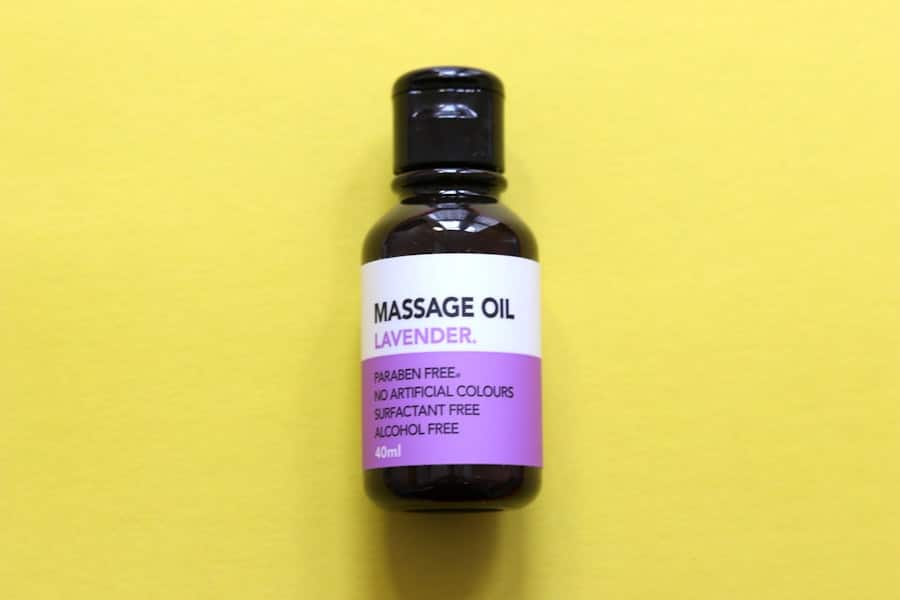
You may consider using peppermint oil in your home or garden to create an inhospitable environment for these unwanted guests. Additionally, lavender is celebrated for its calming properties but also serves as a natural repellent against moths and fleas. By incorporating these common scents into your pest control arsenal, you can create a more pleasant living environment while keeping pests at bay.
Using Essential Oils as Natural Pest Repellents
Essential oils are at the forefront of natural pest control methods, offering a concentrated source of aromatic compounds that can effectively repel insects. When using essential oils as natural pest repellents, you have the flexibility to choose from a wide range of options based on your preferences and the specific pests you wish to deter. For example, tea tree oil is known for its antiseptic properties and can also repel mosquitoes and other biting insects.
To use essential oils effectively, you can create your own blends or use them individually in various applications. You might consider adding a few drops of your chosen essential oil to a spray bottle filled with water and using it as a mist around your home or garden. Alternatively, you can soak cotton balls in essential oils and place them in areas where pests are likely to enter.
This method not only provides a natural barrier but also infuses your space with delightful aromas.
DIY Pest Repellent Recipes Using Aromas and Scents
Creating your own DIY pest repellent recipes can be both fun and rewarding. You may find that experimenting with different combinations of essential oils allows you to tailor your pest control solutions to your specific needs. One simple recipe involves mixing equal parts of water and vinegar with a few drops of essential oil such as eucalyptus or lavender in a spray bottle.
This mixture can be sprayed around doorways, windowsills, and other entry points to deter pests effectively. Another effective DIY recipe involves using witch hazel as a base combined with essential oils like peppermint or tea tree oil. This blend can be applied directly to your skin as a natural insect repellent when spending time outdoors.
You might also consider making sachets filled with dried herbs such as rosemary or mint to place in closets or drawers, providing an aromatic barrier against moths and other pests while keeping your clothes smelling fresh.
Effectiveness of Aromatherapy in Pest Control

Essential Oils as Natural Repellents
Research has shown that essential oils such as clove and cinnamon can effectively repel cockroaches and other household pests. These findings suggest that aromatherapy can be a valuable tool in pest management.
Combining Aromatherapy with Other Natural Methods
While individual results may vary depending on factors such as concentration and application methods, many people have reported success in using aromatherapy as part of their pest management strategies. By combining aromatherapy with other natural methods, you can create a multi-faceted approach to pest control that aligns with your values of sustainability and health.
A Holistic Approach to Pest Control
By incorporating aromatherapy into your pest control strategy, you can adopt a more sustainable and healthier approach to managing pests. This holistic method not only reduces the use of harsh chemicals but also promotes a healthier living environment.
Safety and Environmental Considerations of Using Aromas as Pest Repellents
When considering natural pest repellents, safety is paramount—not just for yourself but also for pets and the environment. You may appreciate that many essential oils are generally regarded as safe when used properly; however, it’s crucial to be aware of potential sensitivities or allergic reactions. Always conduct a patch test before applying any new product to your skin or using it in your home.
From an environmental perspective, using natural aromas as pest repellents is often more sustainable than traditional chemical pesticides. You might feel reassured knowing that these natural alternatives typically break down more quickly in the environment and pose less risk to beneficial insects like bees and butterflies. By choosing natural pest control methods, you contribute to a healthier ecosystem while effectively managing unwanted pests.
Natural Pest Control Methods Using Aromas and Scents
Incorporating aromas into your pest control methods opens up a world of possibilities beyond just essential oils. You may find that using dried herbs or plants can also serve as effective deterrents against various pests. For example, planting marigolds in your garden not only adds vibrant color but also helps repel nematodes and aphids due to their strong scent.
Additionally, you might consider using citrus peels or garlic cloves strategically placed around your home or garden as natural deterrents against ants and rodents. These simple yet effective methods allow you to harness the power of nature without resorting to harsh chemicals. By diversifying your approach to pest control with various aromas and scents, you create a more holistic strategy that aligns with your commitment to sustainability.
Incorporating Aromas and Scents into Pest Management Plans
As you develop your pest management plan, integrating aromas and scents can enhance its overall effectiveness while promoting a healthier living environment. You may start by identifying the specific pests you’re dealing with and researching which aromas are known to repel them effectively. This targeted approach allows you to select the most appropriate scents for your situation.
Incorporating these aromas into your routine can be as simple as using essential oil diffusers in key areas of your home or garden. You might also consider creating a seasonal schedule for applying DIY pest repellents based on peak pest activity times in your region. By being proactive and consistent in your use of natural aromas, you can create an environment that is less inviting to pests while enjoying the added benefits of pleasant fragrances.
Case Studies and Success Stories of Using Aromas as Pest Repellents
Real-life success stories often provide compelling evidence of the effectiveness of natural pest repellents using aromas. You may come across testimonials from individuals who have successfully transformed their gardens into pest-free zones by incorporating essential oils into their routines. For instance, gardeners have reported significant reductions in aphid populations after regularly applying diluted peppermint oil to their plants.
In urban settings, homeowners have shared experiences of using lavender sachets in closets to keep moths at bay while enjoying the calming scent throughout their living spaces. These case studies highlight not only the practicality of using aromas for pest control but also the satisfaction that comes from employing natural methods that align with personal values.
Conclusion and Future Research in Natural Pest Repellents
As you conclude your exploration of natural pest repellents through aromas and scents, it’s clear that these methods offer promising alternatives to traditional chemical pesticides. The combination of scientific understanding and practical application empowers you to take control of pest management in a way that is safe for both your family and the environment. Looking ahead, future research into natural pest repellents will likely continue to uncover new insights into the effectiveness of various aromas and their potential applications in different settings.
As more people seek sustainable solutions for pest control, the demand for innovative approaches will drive further exploration into this fascinating field. By staying informed about emerging trends and research findings, you can continue to refine your pest management strategies while contributing to a healthier planet for generations to come.
If you are interested in learning more about identifying and solving mystery pest invasions, you may want to check out this article from Thrift Pest Control. The article discusses the importance of properly identifying pests in order to effectively eliminate them from your home. Additionally, if you are in need of pest control services in Columbus, Ohio or Plano, Texas, Thrift Pest Control offers the best services in these areas. Check out this article for more information on their services in Columbus, Ohio, and this article for their services in Plano, Texas.
FAQs
What are some scents or aromas that act as natural repellents for pests?
Some scents and aromas that act as natural repellents for pests include peppermint, lavender, eucalyptus, citronella, and cedarwood.
How do these scents or aromas repel pests?
These scents or aromas repel pests by masking the odors that attract them, disrupting their ability to locate food sources, or by directly repelling them due to their strong and unpleasant smell.
Which pests can be repelled by certain scents or aromas?
Certain scents or aromas can repel a variety of pests including mosquitoes, ants, spiders, cockroaches, moths, and rodents.
How can these scents or aromas be used to repel pests?
These scents or aromas can be used to repel pests by using essential oils, planting specific herbs or flowers in the garden, or using scented candles, sprays, or sachets in the home.
Are there any risks or drawbacks to using scents or aromas as natural pest repellents?
While scents or aromas can be effective natural pest repellents, some individuals may be sensitive or allergic to certain scents. Additionally, the effectiveness of these natural repellents may vary depending on the type and severity of the pest infestation.