
Pest infestations can have a profound economic impact on both residential and commercial properties. When pests invade, they not only threaten the structural integrity of buildings but also disrupt daily operations, leading to significant financial losses. For homeowners, the presence of pests can decrease property values, making it harder to sell or rent a home.
You may find that potential buyers are deterred by the thought of dealing with pest issues, which can lead to prolonged vacancies and lost income. In commercial settings, pest infestations can result in costly shutdowns, loss of inventory, and damage to reputation, all of which can have long-lasting effects on profitability. Moreover, the agricultural sector is particularly vulnerable to pest-related economic challenges.
Crop damage caused by insects and rodents can lead to reduced yields and increased costs for farmers. If you are involved in agriculture, you may experience a direct correlation between pest infestations and your bottom line. The financial burden extends beyond immediate losses; it also includes the costs associated with pest control measures, which can be substantial.
As you consider the broader economic implications, it becomes clear that pest infestations are not merely a nuisance but a significant threat to financial stability across various sectors.
Key Takeaways
- Pest infestations can have a significant economic impact on homeowners, leading to property damage and decreased home value.
- The cost of pest control and prevention can be high, but it is essential for protecting the home and preventing long-term financial losses.
- Pest-resistant home design is on the rise, with builders and homeowners prioritizing features that deter pests and minimize infestations.
- Investing in pest-resistant materials and technologies can provide long-term financial benefits by reducing the need for costly pest control measures.
- Integrated pest management, pest-resilient landscaping, and home upgrades are crucial for building a pest-resilient home and ensuring a pest-free future.
The Cost of Pest Control and Prevention
The Cost of Professional Pest Control
While the initial treatment may be relatively affordable, ongoing maintenance and prevention strategies can add up over time. This is especially true for those living in areas prone to specific pests, requiring regular inspections and treatments to keep their homes pest-free.
The Cost of DIY Prevention
to hiring professionals, there are also costs associated with preventive measures you can take yourself. Sealing cracks, installing screens, and maintaining cleanliness in your home can help deter pests, but may require an upfront investment. You may also need to purchase traps or repellents, which can further increase your expenses.
The Long-Term Benefits
While these costs may seem daunting, they are often far less than the potential financial losses incurred from a full-blown infestation. By understanding the costs involved in pest control and prevention, you can make informed decisions that protect your home and finances in the long run.
The Rise of Pest-resistant Home Design
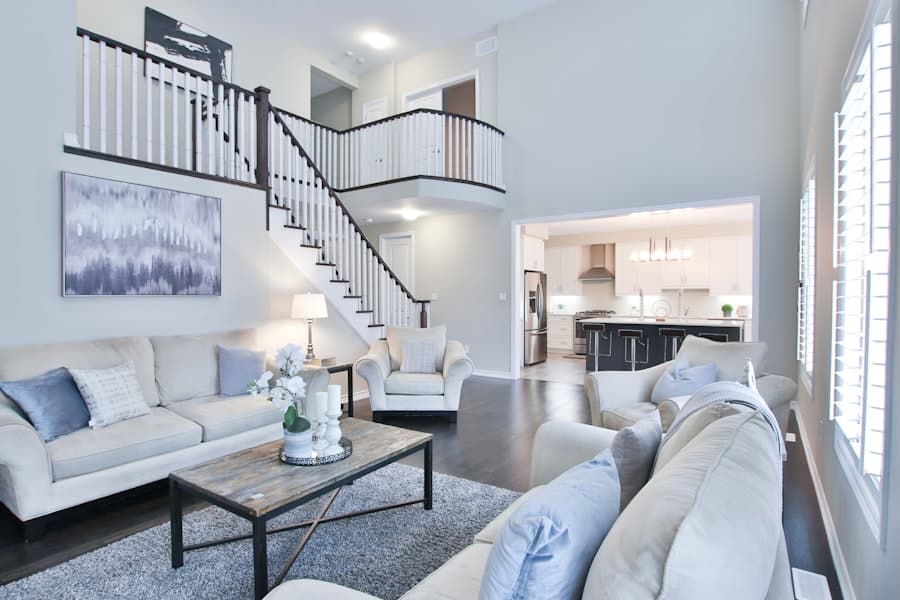
As awareness of the economic impact of pest infestations grows, so does the trend toward pest-resistant home design. You may have noticed that new construction projects increasingly incorporate features aimed at deterring pests from the outset. This shift is not just about aesthetics; it’s about creating a living environment that minimizes the risk of infestations.
Architects and builders are now focusing on designs that include sealed foundations, proper drainage systems, and materials that are less appealing to pests. Incorporating pest-resistant features into home design is not only a proactive approach but also a smart investment for homeowners. You might consider elements such as metal flashing, which prevents rodents from entering through gaps, or using treated wood that is less susceptible to termites.
These design choices not only enhance the durability of your home but also reduce the likelihood of costly pest control measures down the line. As you explore new housing options or renovations, keep an eye out for these innovative designs that prioritize pest resistance.
Investing in Pest-resistant Materials and Technologies
In addition to design considerations, investing in pest-resistant materials and technologies is becoming increasingly important for homeowners. You may find that certain building materials are specifically engineered to resist pests, such as composite decking that is less attractive to termites or insulation made from materials that deter rodents. By choosing these materials during construction or renovation, you can significantly reduce your vulnerability to infestations.
Technological advancements also play a crucial role in pest prevention. Smart home technologies now include pest detection systems that alert you to potential infestations before they escalate. These systems can monitor for signs of pests and notify you through your smartphone, allowing for timely intervention.
While these technologies may require an initial investment, they can save you money in the long run by preventing extensive damage and costly extermination services. As you consider upgrades to your home, think about how these materials and technologies can enhance your living space while providing peace of mind against pests.
The Long-term Financial Benefits of Pest-resilient Homes
Building or renovating a home with pest resilience in mind offers numerous long-term financial benefits. You may initially perceive these investments as added costs; however, they often pay off significantly over time. A pest-resilient home is less likely to suffer from infestations that require expensive treatments or repairs.
By reducing the risk of damage caused by pests, you protect your property value and ensure that your investment remains sound. Additionally, homes designed with pest resistance tend to have lower maintenance costs over their lifespans. You might find that regular upkeep becomes less burdensome when you incorporate durable materials and smart technologies into your home.
This not only saves you money but also provides peace of mind knowing that you have taken proactive steps to safeguard your living environment. As you weigh the costs and benefits of pest-resilient features, consider how they contribute to your overall financial well-being.
The Role of Insurance in Pest-related Damages
Insurance plays a critical role in managing the financial risks associated with pest-related damages. You may be surprised to learn that many standard homeowner’s insurance policies do not cover damages caused by pests like termites or rodents. This gap in coverage can leave you vulnerable to significant out-of-pocket expenses if an infestation occurs.
It’s essential to review your policy carefully and consider additional coverage options if necessary. In some cases, specialized pest insurance may be available to protect against specific types of infestations. While this may seem like an added expense, it could save you from substantial financial losses in the event of a severe infestation.
As you navigate the complexities of insurance coverage, it’s wise to consult with an insurance professional who can help you understand your options and ensure that you are adequately protected against potential pest-related damages.
Pest-resilient Landscaping and Gardening
Your outdoor spaces are just as susceptible to pest infestations as your home’s interior. Implementing pest-resilient landscaping and gardening practices can significantly reduce the likelihood of pests invading your property. You might consider planting native species that are less attractive to common pests or incorporating natural repellents into your garden design.
By creating a balanced ecosystem in your yard, you can deter pests while promoting healthy plant growth. Additionally, proper maintenance of your landscaping plays a crucial role in preventing infestations. Regularly trimming shrubs and trees can eliminate hiding spots for pests, while ensuring proper drainage helps prevent standing water that attracts insects.
You may also want to explore organic gardening techniques that focus on natural pest control methods rather than chemical pesticides. By adopting these practices, you not only protect your home from pests but also contribute to a healthier environment.
The Importance of Integrated Pest Management
Integrated Pest Management (IPM) is an essential approach for effectively managing pests while minimizing environmental impact. This strategy combines various methods—biological, cultural, physical, and chemical—to create a comprehensive plan for pest control. You might find that IPM emphasizes prevention first, focusing on maintaining healthy environments that deter pests before they become a problem.
By adopting IPM principles in your home or garden, you can reduce reliance on chemical pesticides and promote sustainable practices. This approach not only protects your property but also contributes to the well-being of your family and the surrounding ecosystem. As you consider how best to manage pests in your living space, exploring IPM strategies can provide effective solutions while aligning with environmentally conscious values.
Pest-resilient Home Upgrades and Renovations
If you’re considering upgrades or renovations to your home, incorporating pest-resilient features should be at the forefront of your planning process. You might think about replacing traditional wooden structures with composite materials that resist termites or installing screens on windows and doors to keep insects out while allowing fresh air in. These upgrades not only enhance your home’s aesthetic appeal but also fortify it against potential infestations.
Additionally, when renovating kitchens or bathrooms—areas often targeted by pests—consider using materials that are less prone to damage from moisture or mold growth. For instance, opting for tile instead of wood flooring can help prevent water damage that attracts pests like ants or cockroaches. By making thoughtful choices during renovations, you create a more resilient living space that stands up against common household pests.
The Future of Pest-resilient Home Construction
As awareness of pest-related issues continues to grow, the future of home construction is likely to prioritize pest resilience more than ever before. You may see an increase in demand for homes built with advanced materials designed specifically for pest resistance as homeowners become more educated about the long-term benefits of such investments. Builders will likely respond by incorporating innovative technologies and sustainable practices into their designs.
Moreover, as urbanization increases and more people move into densely populated areas, the need for effective pest management solutions will become even more critical. You might witness a shift toward community planning that includes green spaces designed to deter pests while promoting biodiversity. As construction practices evolve, embracing pest resilience will not only protect individual homes but also contribute to healthier communities overall.
Building a Pest-resilient Home Future
In conclusion, building a pest-resilient home is not just about immediate comfort; it’s an investment in long-term financial stability and environmental sustainability. As you navigate the complexities of homeownership or construction, consider how each decision impacts your vulnerability to pests and overall quality of life. From understanding the economic implications of infestations to exploring innovative design features and materials, every step you take contributes to creating a safer living environment.
By prioritizing pest resilience in your home design and maintenance practices, you position yourself for greater peace of mind and financial security in the future. As trends continue to evolve toward sustainability and innovation in construction practices, embracing these changes will ensure that your home remains a sanctuary free from unwanted pests for years to come.
Bugonomics 2.0: Investing in a Pest-resilient Home Future discusses the importance of pest control in maintaining a healthy and safe living environment. For more information on how pests can impact your health, check out Pests and Allergies: The Surprising Connection and How to Combat It. This article delves into the link between pests and allergies, providing tips on how to effectively combat them. It’s crucial to stay informed and proactive in order to protect your home from potential health risks.
FAQs
What is Bugonomics 2.0: Investing in a Pest-resilient Home Future?
Bugonomics 2.0 is a concept that focuses on investing in pest-resilient home features and technologies to mitigate the impact of pests on homes and buildings.
Why is investing in pest-resilient home features important?
Investing in pest-resilient home features is important because pests can cause damage to homes, spread diseases, and create a nuisance for homeowners. By implementing pest-resilient features, homeowners can reduce the risk of pest infestations and minimize the need for costly pest control measures.
What are some examples of pest-resilient home features?
Examples of pest-resilient home features include sealed entry points to prevent pest entry, mesh screens on windows and doors, proper ventilation to reduce moisture and mold that attract pests, and using pest-resistant building materials.
How can investing in pest-resilient home features save money in the long run?
Investing in pest-resilient home features can save money in the long run by reducing the need for pest control services, minimizing property damage caused by pests, and lowering the risk of health issues associated with pest infestations.
What are some emerging technologies in Bugonomics 2.0?
Emerging technologies in Bugonomics 2.0 include smart pest monitoring systems, pest-resistant building materials, and innovative pest control methods that are environmentally friendly and sustainable.