
In the realm of agriculture and horticulture, the battle against pests is a constant struggle. As you navigate this landscape, you may find yourself seeking effective and sustainable solutions to protect your crops. One such solution lies in the realm of biological controls, a method that harnesses the power of nature to manage pest populations.
Unlike traditional chemical pesticides, which can have detrimental effects on the environment and human health, biological controls offer a more harmonious approach. By utilizing natural predators, parasites, and pathogens, you can create a balanced ecosystem that minimizes pest damage while promoting biodiversity. Biological control is not merely a modern trend; it has roots that stretch back centuries.
Ancient civilizations recognized the value of using natural enemies to combat pests, and today, this practice has evolved into a sophisticated field of study. As you delve deeper into this topic, you will discover the various types of biological controls available, how they function, and the myriad benefits they offer. Understanding these elements will empower you to make informed decisions about pest management strategies that align with your values and goals.
Key Takeaways
- Biological controls are a sustainable and environmentally friendly approach to managing pests in agriculture and other industries.
- Types of biological controls include predators, parasitoids, pathogens, and competitors that target specific pest species.
- Biological controls work by reducing pest populations through predation, parasitism, competition, or disease, without the use of chemical pesticides.
- Benefits of using biological controls include reduced reliance on chemical pesticides, minimal harm to non-target organisms, and long-term pest management solutions.
- Common examples of biological controls include ladybugs for aphid control, parasitic wasps for caterpillar control, and bacteria for mosquito control.
Types of Biological Controls
As you explore the world of biological controls, you’ll encounter several distinct types that can be employed in pest management. The primary categories include classical biological control, augmentative biological control, and conservation biological control. Each type has its unique characteristics and applications, allowing you to tailor your approach based on specific pest challenges and environmental conditions.
Classical biological control involves the introduction of natural enemies from a pest’s native habitat to a new environment where they can help regulate pest populations. This method is particularly effective for invasive species that lack natural predators in their new surroundings. By carefully selecting and introducing these beneficial organisms, you can establish a self-sustaining population that keeps pests in check over time.
On the other hand, augmentative biological control focuses on the periodic release of natural enemies to boost their numbers temporarily. This approach is often used in conjunction with other pest management strategies to provide immediate relief from pest pressures. Conservation biological control emphasizes the protection and enhancement of existing natural enemies within an ecosystem.
By creating habitats that support beneficial organisms, such as planting diverse crops or providing shelter, you can encourage these allies to thrive. This method not only helps manage pests but also fosters a healthier environment overall. As you consider your options, understanding these different types of biological controls will enable you to choose the most suitable strategy for your specific situation.
How Biological Controls Work
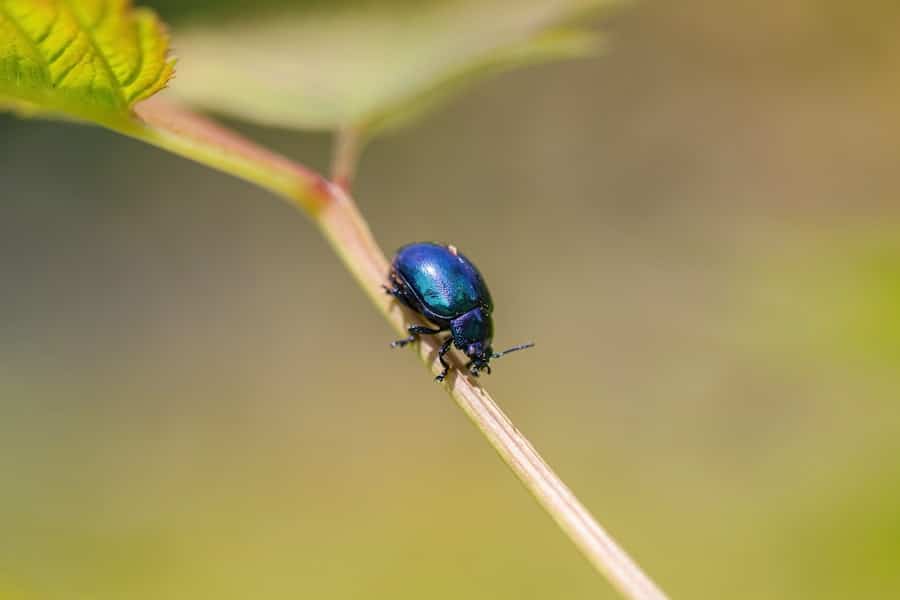
The mechanisms behind biological controls are as diverse as the organisms involved. At its core, biological control relies on the intricate relationships between pests and their natural enemies. When you introduce or enhance these relationships, you create a dynamic system where predators, parasites, or pathogens can effectively reduce pest populations.
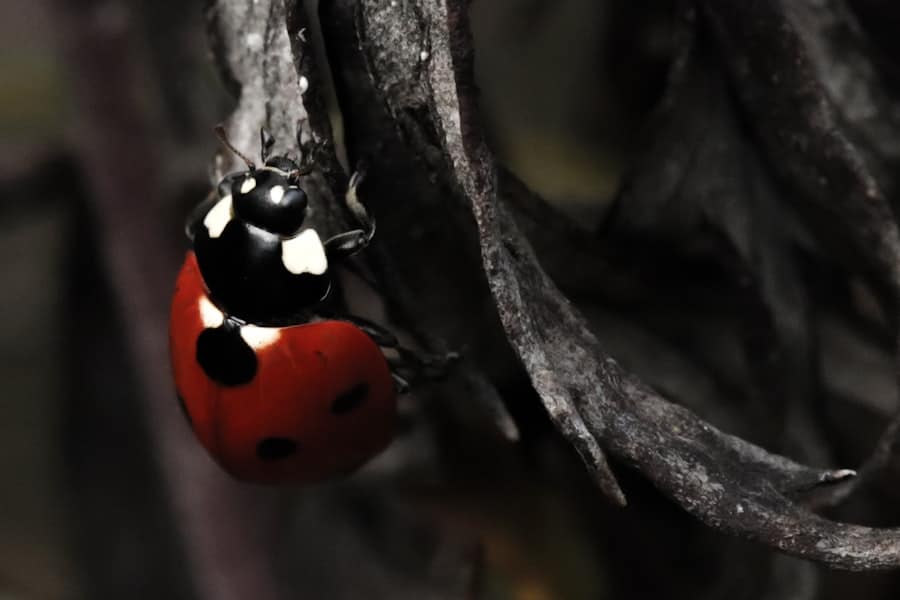
For instance, predatory insects like ladybugs or lacewings actively hunt and consume aphids, while parasitic wasps lay their eggs inside pest larvae, ultimately leading to their demise. In addition to direct predation or parasitism, biological controls can also work through competition for resources. When beneficial organisms are present in sufficient numbers, they can outcompete pests for food and habitat, thereby limiting their growth and reproduction.
This competitive dynamic is particularly important in agricultural settings where crops are often under stress from various factors. By fostering a diverse community of organisms, you can create a more resilient ecosystem that naturally suppresses pest populations. Moreover, some biological controls operate through disease mechanisms.
Certain pathogens, such as fungi or bacteria, can infect and kill specific pests without harming beneficial insects or plants. By applying these microbial agents strategically, you can target pest populations while minimizing collateral damage to non-target species. Understanding these various mechanisms will help you appreciate the complexity of biological controls and their potential to transform your pest management practices.
Benefits of Using Biological Controls
The advantages of incorporating biological controls into your pest management strategy are numerous and compelling. One of the most significant benefits is the reduction in reliance on chemical pesticides. As you may know, chemical treatments can lead to resistance among pests over time, necessitating higher doses or more potent chemicals to achieve the same results.
By utilizing biological controls, you can disrupt this cycle and promote a more sustainable approach to pest management. Additionally, biological controls contribute to environmental health by minimizing chemical runoff and reducing harm to non-target organisms. When you choose natural solutions over synthetic chemicals, you are not only protecting beneficial insects but also safeguarding soil health and water quality.
This holistic approach aligns with the growing demand for sustainable agriculture practices that prioritize ecological balance. Another noteworthy benefit is the potential for long-term pest suppression. Once established, populations of natural enemies can continue to regulate pest numbers without the need for ongoing interventions.
This self-sustaining aspect of biological controls can lead to reduced labor costs and increased efficiency in managing pest populations over time. As you consider your options for pest management, these benefits highlight the value of integrating biological controls into your overall strategy.
Common Examples of Biological Controls
As you delve into the practical applications of biological controls, you’ll encounter several common examples that illustrate their effectiveness in managing pests. One well-known example is the use of ladybugs to control aphid populations in gardens and agricultural fields. These small beetles are voracious predators of aphids and can significantly reduce their numbers when introduced into an infested area.
Another example is the use of parasitic wasps to combat caterpillar pests such as corn earworms or cabbage loopers. These tiny wasps lay their eggs inside the larvae of these pests, leading to their eventual demise as the wasp larvae develop. This method not only targets specific pests but also minimizes harm to beneficial insects and pollinators.
Fungal pathogens like Beauveria bassiana are also gaining popularity as biological control agents against various insect pests. When applied to infested plants or soil, these fungi infect and kill target insects while remaining harmless to plants and other beneficial organisms. As you explore these examples further, you’ll find that each has its unique advantages and applications based on specific pest challenges.
Challenges and Limitations of Biological Controls
While biological controls offer numerous benefits, they are not without challenges and limitations that you should consider when implementing them in your pest management strategy. One significant challenge is the time required for natural enemies to establish themselves and effectively reduce pest populations. Unlike chemical pesticides that provide immediate results, biological controls may take longer to show noticeable effects.
This delay can be problematic in situations where rapid action is necessary to protect crops from severe infestations. Another limitation is the specificity of many biological control agents. Some natural enemies are highly specialized and may only target specific pests, which means they may not be effective against a broader range of pest species.
This specificity can limit your options if multiple pests are present in your garden or field at the same time. Additionally, environmental factors such as temperature, humidity, and habitat availability can influence the success of biological controls, making it essential to monitor conditions closely. Furthermore, there is always a risk associated with introducing non-native species into an ecosystem.
If not carefully managed, these introduced organisms could become invasive themselves, leading to unintended consequences for local biodiversity. As you consider incorporating biological controls into your pest management practices, it’s crucial to weigh these challenges against the potential benefits and develop a comprehensive strategy that addresses them.
Implementing Biological Controls in Pest Management
To successfully implement biological controls in your pest management strategy, you’ll need to take several key steps that ensure effectiveness while minimizing risks. First and foremost, thorough monitoring of pest populations is essential. By regularly assessing pest levels in your garden or field, you can determine when intervention is necessary and which biological control agents would be most appropriate for your specific situation.
Once you’ve identified the pests you’re dealing with, research suitable natural enemies that can effectively target those species. This may involve consulting with agricultural extension services or entomologists who specialize in biological control methods. It’s important to select agents that are well-suited for your local environment and climate conditions to maximize their chances of success.
After selecting appropriate biological control agents, consider how best to introduce them into your ecosystem. This may involve releasing them at specific times when pest populations are at their peak or creating habitats that support their survival and reproduction. Additionally, integrating other sustainable practices such as crop rotation or intercropping can enhance the effectiveness of biological controls by promoting biodiversity and reducing pest pressure overall.
Future of Biological Controls for Pest Management
As you look toward the future of pest management, it’s clear that biological controls will play an increasingly vital role in sustainable agriculture practices worldwide. With growing concerns about pesticide resistance and environmental degradation, more farmers and gardeners are turning to natural solutions that align with ecological principles. Advances in technology and research are also paving the way for innovative approaches to enhance the effectiveness of biological controls.
One promising area of development is the use of genetic engineering to create more effective biological control agents. For instance, scientists are exploring ways to enhance the traits of natural enemies so they can better withstand environmental stressors or target multiple pest species simultaneously. These advancements could revolutionize how we approach pest management by providing more robust solutions that require fewer resources.
Moreover, as public awareness about sustainable practices continues to rise, there will likely be increased support for policies that promote research and development in biological control methods. This shift could lead to greater investment in training programs for farmers and gardeners alike, equipping them with the knowledge needed to implement these strategies effectively. In conclusion, as you navigate the complexities of pest management in your own endeavors—whether in agriculture or gardening—consider embracing biological controls as a viable solution.
By understanding their types, mechanisms, benefits, challenges, and implementation strategies, you can make informed decisions that contribute not only to your success but also to a healthier planet for future generations.
Biological controls for pests are an increasingly popular method for managing pest populations in an environmentally friendly way. By utilizing natural predators or parasites, these methods can effectively reduce pest numbers without the need for chemical pesticides. For those interested in exploring pest control options in specific regions, you might find valuable insights in the article about the best pest control services in Tucson, Arizona. This resource discusses various pest management strategies, including biological controls, and can be accessed [here](https://thriftypestcontrol.net/best-pest-control-service-tucson-arizona/).
FAQs
What are biological controls for pests?
Biological controls for pests are methods of controlling pest populations using natural predators, parasites, or pathogens. These methods are used as an alternative to chemical pesticides.
How do biological controls work?
Biological controls work by introducing natural enemies of the pest species into the environment. These natural enemies then feed on or parasitize the pest, reducing its population.
What are the advantages of using biological controls for pests?
Some advantages of using biological controls for pests include reduced reliance on chemical pesticides, minimal impact on non-target organisms, and long-term pest control.
What are some examples of biological controls for pests?
Examples of biological controls for pests include using ladybugs to control aphids, releasing parasitic wasps to control caterpillars, and using bacteria or fungi to control insect pests.
Are there any limitations to using biological controls for pests?
Limitations of using biological controls for pests include the time it takes for the natural enemies to establish and control the pest population, as well as the potential for the natural enemies to also impact beneficial organisms.