
When you find yourself dealing with a spider infestation, it’s essential to understand the underlying causes and potential risks associated with these eight-legged creatures. Spiders are often drawn to your home due to the availability of food sources, such as insects, and suitable habitats for nesting. If your home has a high population of flies, mosquitoes, or other small bugs, it becomes an attractive environment for spiders seeking a meal.
Additionally, cluttered spaces, dark corners, and undisturbed areas can provide the perfect hiding spots for these arachnids, allowing them to thrive without being noticed. The risks associated with spider infestations can vary significantly depending on the species present in your home. While most spiders are harmless and play a crucial role in controlling insect populations, some species can pose health risks through their bites.
For instance, the black widow and brown recluse spiders are known for their venomous bites, which can lead to serious medical issues. Understanding the potential dangers of spider infestations is vital for taking appropriate action to protect yourself and your family.
Key Takeaways
- Spider infestations can be caused by factors such as clutter, food sources, and entry points, and can pose risks such as spider bites and potential allergic reactions.
- Common spider species include the black widow and brown recluse, and understanding their habits can help in identifying and controlling infestations.
- Natural methods for controlling spider infestations include using essential oils and vinegar, while chemical methods involve using pesticides and insecticides.
- Preventative measures such as sealing cracks, removing clutter, and keeping the area clean can help in keeping spiders away from your home.
- Professional pest control services can provide effective and long-term solutions for spider infestations, especially in severe cases.
Identifying Common Spider Species and Their Habits
To effectively manage a spider infestation, you must first identify the common species that may be lurking in your home. The house spider is one of the most prevalent types found indoors. Typically brown or gray, these spiders are known for their web-building habits and can often be spotted in corners or behind furniture.
Another common species is the cellar spider, which has long legs and a small body. These spiders are often found in damp areas like basements and are known for their ability to catch other spiders in their webs. Understanding the habits of these spiders can help you determine the best course of action for control.
For example, house spiders tend to be more active at night, while cellar spiders prefer dark, humid environments. By observing their behavior and preferred habitats, you can better target your efforts to eliminate them. Additionally, recognizing the signs of an infestation—such as webs or egg sacs—can help you assess the severity of the problem and decide on the most effective methods for control.
Natural and Chemical Methods for Controlling Spider Infestations
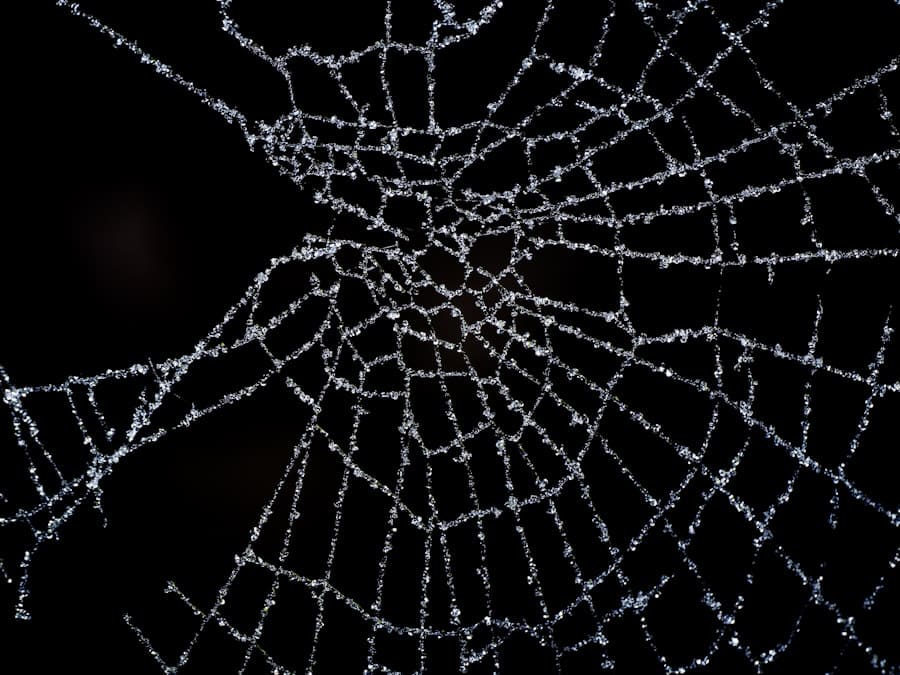
When it comes to controlling spider infestations, you have a variety of options at your disposal, including both natural and chemical methods. Natural methods often appeal to those who prefer eco-friendly solutions. For instance, essential oils like peppermint, tea tree, and citrus can be effective deterrents when mixed with water and sprayed around your home.
Spiders are sensitive to strong scents, so using these oils can help keep them at bay without resorting to harsh chemicals. On the other hand, chemical methods may be necessary for more severe infestations. Insecticides specifically designed for spiders can be applied in areas where you’ve noticed their presence.
It’s crucial to follow the manufacturer’s instructions carefully to ensure safety for both humans and pets. Additionally, consider using residual sprays that continue to work over time, providing ongoing protection against re-infestation. Balancing natural and chemical methods can create a comprehensive approach to managing spider populations in your home.
Preventative Measures to Keep Spiders Away
Taking preventative measures is key to keeping spiders from making your home their own. One of the most effective strategies is to reduce clutter in your living spaces. Spiders thrive in dark, undisturbed areas where they can build webs and hide from view.
By regularly decluttering your home and organizing items, you can eliminate potential hiding spots and make it less inviting for these pests. Another important step is sealing entry points around your home. Inspect windows, doors, and any cracks or gaps in your walls for potential access points that spiders could use to enter.
Caulking these openings not only helps keep spiders out but also prevents other pests from entering your home. Additionally, maintaining a well-lit environment both inside and outside can deter spiders since they prefer dimly lit areas where they can remain hidden.
Hiring Professional Pest Control Services
If you find yourself overwhelmed by a spider infestation that seems beyond your control, it may be time to consider hiring professional pest control services. These experts have the knowledge and experience necessary to assess the situation accurately and implement effective strategies tailored to your specific needs. They can identify the species present in your home and determine the best course of action for eradication.
Professional pest control services also offer long-term solutions that go beyond immediate extermination. They can provide advice on preventative measures and help you create a pest management plan that minimizes the risk of future infestations. While there may be an upfront cost associated with hiring professionals, the peace of mind that comes from knowing your home is protected from spiders and other pests is often well worth the investment.
DIY Home Remedies for Spider Control
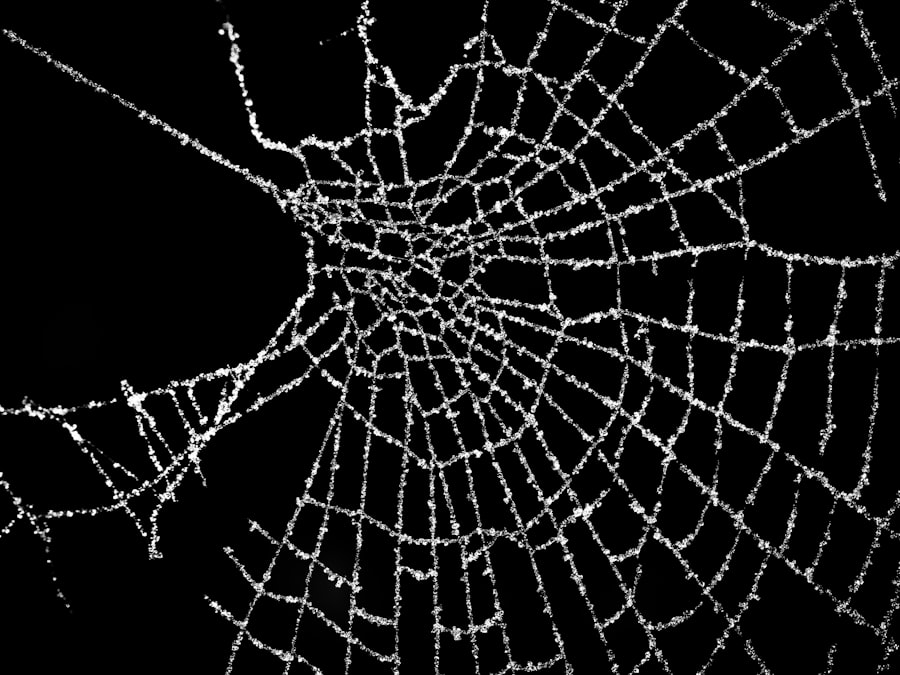
For those who prefer a hands-on approach to pest control, there are several DIY home remedies that can help manage spider populations effectively. One popular method involves creating a homemade spider repellent using common household ingredients. A mixture of vinegar and water sprayed around entry points and potential nesting areas can deter spiders due to its strong scent.
Additionally, diatomaceous earth—a natural powder made from fossilized algae—can be sprinkled in areas where spiders are frequently seen. This substance is harmless to humans and pets but can be lethal to insects that come into contact with it. Another effective DIY remedy involves using sticky traps placed strategically around your home.
These traps can catch spiders as they wander into them, helping you monitor the level of infestation while also reducing their numbers. Regularly checking and replacing these traps will ensure they remain effective over time. Combining these DIY methods with regular cleaning practices can create a comprehensive approach to spider control that suits your lifestyle.
The Importance of Regular Cleaning and Maintenance
Regular cleaning and maintenance play a crucial role in preventing spider infestations in your home. Dusting and vacuuming frequently not only removes webs but also eliminates potential food sources for spiders—such as insects that may be hiding in corners or under furniture. Pay special attention to areas that are often overlooked, such as behind appliances or inside closets, where spiders may find refuge.
In addition to cleaning, maintaining your outdoor spaces is equally important. Trim back overgrown vegetation near your home, as this can provide shelter for spiders and their prey. Keeping gutters clean and free of debris will also prevent water accumulation that attracts insects, further reducing the likelihood of spider infestations indoors.
By establishing a routine cleaning schedule both inside and outside your home, you create an environment that is less hospitable to spiders.
Creating a Spider-Friendly Environment: Tips for Outdoor Spaces
While it may seem counterintuitive, creating a spider-friendly environment outdoors can actually help keep them away from your home’s interior. Spiders are beneficial creatures that contribute to natural pest control by preying on insects like mosquitoes and flies. To encourage their presence outside while minimizing indoor infestations, consider planting native flowers and plants that attract beneficial insects.
Additionally, avoid using pesticides in your garden unless absolutely necessary, as these chemicals can disrupt the natural balance of predators and prey. Instead, focus on creating habitats that support beneficial insects while keeping spiders at bay from your living spaces. By maintaining a healthy outdoor ecosystem, you not only promote biodiversity but also reduce the chances of spiders seeking refuge inside your home.
In conclusion, understanding spider infestations involves recognizing their causes and risks while identifying common species and their habits. By employing natural and chemical control methods alongside preventative measures, you can effectively manage spider populations in your home. Whether you choose to hire professional pest control services or utilize DIY remedies, regular cleaning and maintenance are essential for long-term success.
Finally, fostering a balanced outdoor environment allows you to appreciate the benefits of spiders while keeping them at bay indoors.
If you are looking for safe and effective ways to control and prevent spider infestations, you may want to consider hiring a professional pest control service. Thrift Pest Control offers the best pest control services in Raleigh, North Carolina, and Corona, California. Their team of experts can help you identify the root cause of your spider problem and implement a customized solution to keep your home spider-free. Check out their website for more information on their services and how they can help you maintain a pest-free environment. Thrift Pest Control is dedicated to providing top-notch pest control services to help you protect your home from unwanted intruders.
FAQs
What are some safe and effective ways to control and prevent spider infestations?
Some safe and effective ways to control and prevent spider infestations include keeping the home clean and clutter-free, sealing cracks and crevices, using essential oils or vinegar as natural repellents, and using sticky traps or vacuuming to remove spiders.
Are there any chemical pesticides that can be used to control and prevent spider infestations?
Yes, there are chemical pesticides available for controlling and preventing spider infestations. However, it is important to use them carefully and according to the manufacturer’s instructions to minimize potential risks to humans and pets.
What are some natural remedies for controlling and preventing spider infestations?
Some natural remedies for controlling and preventing spider infestations include using essential oils such as peppermint, tea tree, or citrus oils, as well as using vinegar or diatomaceous earth. These natural remedies can help repel spiders without the use of harsh chemicals.
How can I prevent spiders from entering my home?
To prevent spiders from entering your home, you can seal cracks and crevices, install screens on windows and doors, keep the home clean and clutter-free, and use natural repellents such as essential oils or vinegar. These measures can help deter spiders from entering your living space.
Are there any professional pest control services that specialize in spider infestations?
Yes, there are professional pest control services that specialize in spider infestations. These professionals can assess the extent of the infestation and recommend safe and effective treatment options to control and prevent spiders in your home.