
Small animal pests are often overlooked, yet they can significantly impact your home and health. These creatures, which include rodents like mice and rats, as well as various insects such as cockroaches and ants, can invade your living space, creating a host of problems. You may not realize it, but these pests are more than just a nuisance; they can pose serious threats to your well-being and the integrity of your home.
Understanding the nature of these pests is the first step in effectively managing and preventing their intrusion. As you navigate through your daily life, you might encounter signs of these small animal pests without even knowing it. The rustling sounds in your walls or the occasional sighting of a mouse can be alarming.
These pests are adept at hiding and often come out only when they feel safe. Their ability to reproduce quickly means that a small problem can escalate into a full-blown infestation in no time. By familiarizing yourself with the types of small animal pests that commonly invade homes, you can better prepare yourself to deal with them should they appear.
Key Takeaways
- Small animal pests can pose serious health and structural risks to humans and pets.
- Health risks include the spread of diseases and allergies, while structural risks include damage to property and belongings.
- Small animal pests can cause damage to electrical wiring, insulation, and wood structures in homes.
- Allergies and respiratory issues can be exacerbated by the presence of small animal pests and their droppings.
- Infestations can quickly grow out of control, making prevention and control measures essential for managing small animal pests.
Health Risks Posed by Small Animal Pests
The health risks associated with small animal pests are significant and should not be underestimated. Rodents, for instance, are known carriers of various diseases that can be transmitted to humans through direct contact or contaminated food and surfaces. You may be surprised to learn that diseases such as hantavirus, leptospirosis, and salmonella can all be linked to rodent infestations.
The mere presence of these pests in your home can create an environment ripe for health issues, especially if you have children or elderly individuals living with you. Insects like cockroaches also pose health risks that can affect your quality of life. They are known to trigger asthma attacks and allergic reactions in sensitive individuals.
If you or someone in your household suffers from respiratory issues, the presence of cockroaches can exacerbate these conditions. Their droppings and shed skin can become airborne, leading to increased allergy symptoms and respiratory distress. It’s crucial to recognize that the health implications of small animal pests extend beyond mere inconvenience; they can have lasting effects on your family’s well-being.
Structural Risks Posed by Small Animal Pests

Beyond health concerns, small animal pests can also pose significant structural risks to your home. Rodents, particularly, are notorious for their ability to gnaw through various materials, including wood, insulation, and even electrical wiring. This behavior not only compromises the structural integrity of your home but also increases the risk of fire hazards due to damaged wiring.
If you’ve noticed unusual sounds in your walls or chewed-up materials around your home, it’s essential to take action before the damage becomes more severe. Insects like termites are another example of pests that can wreak havoc on your property. These wood-destroying insects can silently consume the wooden structures of your home, leading to costly repairs if left unchecked.
You might not see the damage until it’s too late, making regular inspections vital for early detection. By understanding the structural risks posed by these small animal pests, you can take proactive measures to protect your home from potential devastation.
Damage to Property and Belongings
The damage caused by small animal pests extends beyond structural concerns; it also encompasses personal property and belongings. Rodents are known for their tendency to chew on anything they can find, including clothing, furniture, and important documents. Imagine discovering that your favorite sweater has been shredded or that important papers have been ruined by rodent droppings.
Such damage can be both frustrating and costly, leading you to replace items that hold sentimental value or are essential for daily life. In addition to rodents, insects like ants and cockroaches can also cause damage to food supplies and household items. If you’ve ever opened a pantry only to find it infested with ants or cockroaches crawling over your food, you know how disheartening it can be.
Not only does this lead to wasted food and money, but it also raises concerns about hygiene and safety in your kitchen. Protecting your belongings from small animal pests requires vigilance and proactive measures to ensure that your home remains a safe haven.
Allergies and Respiratory Issues
Allergies and respiratory issues are common consequences of small animal pest infestations. As mentioned earlier, cockroaches are notorious for triggering asthma attacks and allergic reactions in sensitive individuals. If you or someone in your household suffers from allergies, the presence of these pests can lead to increased symptoms such as sneezing, coughing, and difficulty breathing.
The allergens produced by cockroaches can linger in the air long after the pests have been removed, making it essential to address infestations promptly. Moreover, rodents can contribute to respiratory problems as well. Their droppings and urine contain allergens that can become airborne when disturbed.
If you have a rodent infestation in your home, you may unknowingly be exposing yourself and your family to harmful particles that can exacerbate existing respiratory conditions or lead to new health issues. Understanding the link between small animal pests and respiratory health is crucial for maintaining a safe living environment.
Spread of Disease
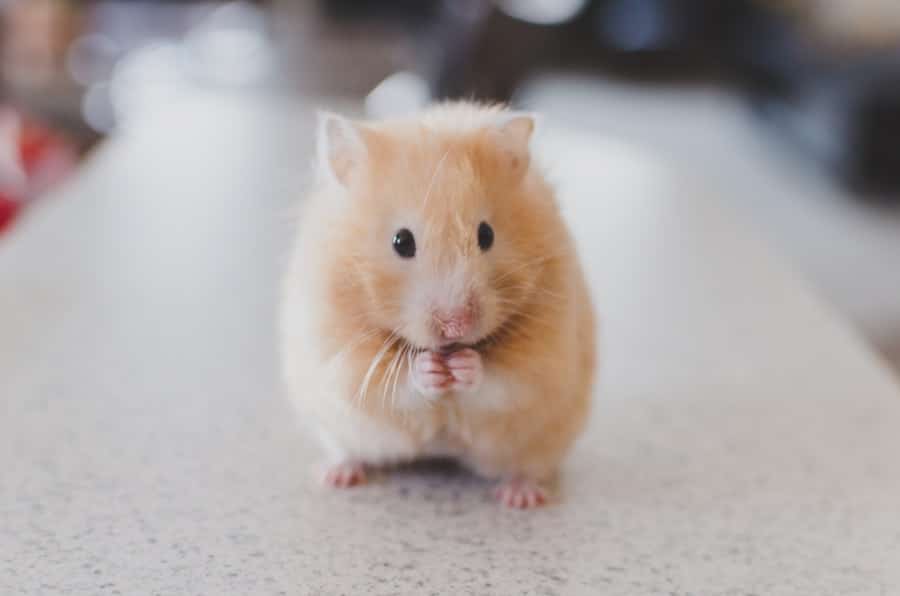
The spread of disease is one of the most alarming aspects of small animal pest infestations. Rodents are known carriers of various pathogens that can lead to serious illnesses in humans. For instance, hantavirus is a severe respiratory disease transmitted through contact with rodent droppings or urine.
If you live in an area where rodents are prevalent, it’s essential to be aware of the potential risks associated with their presence in your home. Insects like mosquitoes and ticks also pose significant health risks by spreading diseases such as West Nile virus and Lyme disease. While these pests may not be classified as “small animals” in the traditional sense, their impact on public health cannot be ignored.
If you spend time outdoors or have areas around your home where these pests breed, taking preventive measures is crucial for safeguarding your health and that of your family.
Infestation and Reproduction
Infestation is a common concern when dealing with small animal pests. Rodents reproduce at an alarming rate; a single pair of mice can produce dozens of offspring in just one year if left unchecked. This rapid reproduction means that what starts as a minor issue can quickly escalate into a full-blown infestation within weeks or months.
You may find yourself overwhelmed by the sheer number of pests if you don’t take action early on. Insects also have impressive reproductive capabilities. For example, a single female cockroach can lay hundreds of eggs throughout her lifetime, leading to exponential growth in their population if conditions are favorable.
Understanding the reproductive habits of these pests is essential for effective control measures. By addressing infestations promptly and implementing preventive strategies, you can break the cycle of reproduction and keep your home pest-free.
Prevention and Control Measures
Preventing small animal pest infestations requires a proactive approach on your part. Start by sealing any cracks or openings in your home’s exterior that could serve as entry points for rodents or insects. Pay attention to areas around windows, doors, and utility lines where gaps may exist.
Additionally, keeping your living space clean and clutter-free will reduce hiding spots for pests and make it easier to spot any signs of an infestation early on. Control measures may include setting traps for rodents or using insecticides for insect infestations; however, it’s essential to use these products safely and according to manufacturer instructions. You might also consider enlisting the help of professional pest control services if you find yourself facing a significant infestation that you cannot manage on your own.
These experts have the knowledge and tools necessary to effectively eliminate pests while minimizing risks to your health and property. In conclusion, small animal pests pose various risks that extend beyond mere annoyance; they threaten your health, property, and overall quality of life. By understanding these risks and taking proactive measures for prevention and control, you can protect yourself and your home from the detrimental effects of these unwelcome intruders.
Remember that vigilance is key; staying informed about potential threats will empower you to maintain a safe and healthy living environment for you and your family.
If you are concerned about the risks that small animal pests pose to your home and health, you may want to consider hiring a professional pest control service. Thrift Pest Control offers the best pest control services in various locations, including El Paso, Texas, Hialeah, Florida, and Peoria, Arizona. Their team of experts can help you identify and eliminate pests in your home, reducing the potential health hazards they may bring. To learn more about their services, visit their website.
FAQs
What are small animal pests?
Small animal pests are creatures such as rodents, insects, and other small animals that can invade homes and cause damage or health risks to humans.
What risks do small animal pests pose to my home?
Small animal pests can pose several risks to your home, including damage to the structure, electrical wiring, insulation, and plumbing. They can also contaminate food and water sources, leading to potential health hazards.
What health risks do small animal pests pose?
Small animal pests can carry and transmit diseases such as salmonella, hantavirus, and Lyme disease. They can also trigger allergies and asthma in some individuals. Additionally, their droppings and urine can contaminate surfaces and cause respiratory issues.
How can I prevent small animal pests from entering my home?
To prevent small animal pests from entering your home, it’s important to seal any cracks or openings in the foundation, walls, and roof. Keep food stored in airtight containers, maintain a clean and clutter-free environment, and consider using traps or professional pest control services if necessary.