
As you step into your garden or outdoor space, the beauty of nature surrounds you, offering a serene escape from the hustle and bustle of daily life. However, lurking among the vibrant flowers and lush greenery are small animal pests that can wreak havoc on your carefully curated landscape. These uninvited guests can disrupt the balance of your garden, causing damage to plants, spreading diseases, and even creating unsightly messes.
Understanding the types of small animal pests that may invade your landscape is crucial for maintaining the health and beauty of your outdoor oasis. Small animal pests encompass a variety of creatures, including rodents, insects, and other critters that can undermine your landscaping efforts. From nibbling on tender shoots to burrowing beneath the soil, these pests can quickly turn your dream garden into a nightmare.
As you delve deeper into the world of landscaping, it becomes essential to recognize the signs of pest activity and take proactive measures to protect your investment. By being informed about these pests and their behaviors, you can create a more resilient landscape that thrives despite their presence.
Key Takeaways
- Small animal pests can cause significant damage to landscaping, making it important to understand their impact and how to prevent them.
- Common small animal pests include rabbits, squirrels, moles, and gophers, which can damage plants, lawns, and hardscapes.
- Preventing small animal pests in landscaping can be achieved through strategies such as fencing, repellents, and habitat modification.
- Natural and eco-friendly pest control methods, such as using predator urine or planting pest-resistant plants, can help manage small animal pests without harming the environment.
- When considering chemical pest control options, it’s important to weigh the potential impact on the environment and non-target species before use.
Common Small Animal Pests and Their Impact on Landscaping
When it comes to small animal pests, several common culprits may invade your landscape. Rodents such as mice and voles are notorious for their destructive feeding habits. They tend to gnaw on roots, stems, and leaves, leading to stunted growth or even plant death.
Additionally, their burrowing activities can disrupt soil structure and lead to erosion, further compromising the health of your garden. If you notice chewed leaves or tunnels in the soil, it’s a clear indication that these pests are making themselves at home in your landscape. Insects also play a significant role in the pest problem.
Aphids, for instance, are tiny sap-sucking insects that can quickly multiply and infest plants. They weaken plants by draining their vital nutrients, leading to yellowing leaves and stunted growth. Other pests like slugs and snails feast on tender foliage, leaving behind unsightly holes that detract from the overall appearance of your garden.
The impact of these small animal pests can be profound, affecting not only the aesthetics of your landscape but also its ecological balance.
Strategies for Preventing Small Animal Pests in Landscaping
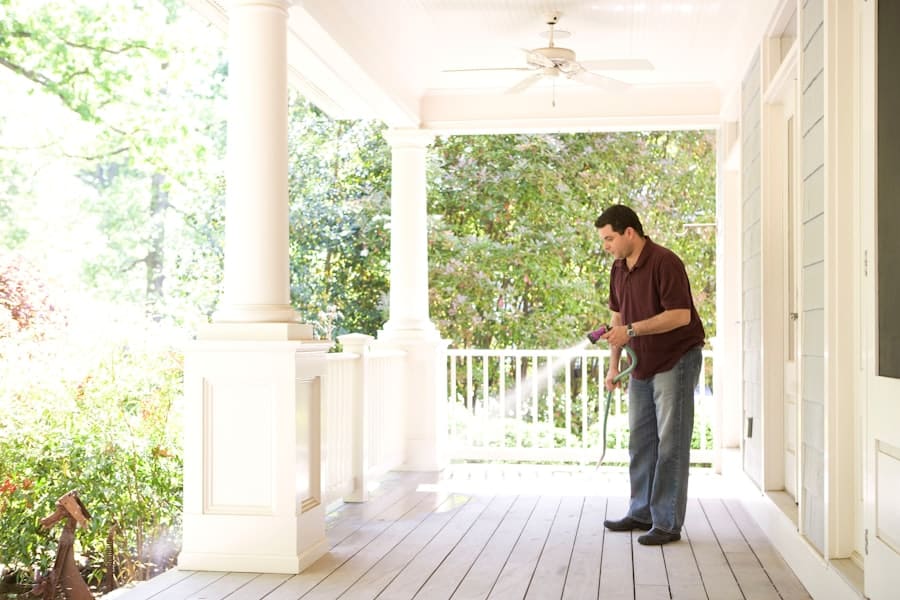
Preventing small animal pests from invading your landscape requires a multifaceted approach. One effective strategy is to create physical barriers that deter these creatures from accessing your plants. Installing fencing around garden beds can help keep out larger pests like rabbits and deer, while using row covers can protect young plants from insect infestations.
Additionally, you might consider using mulch or gravel around plants to make it more challenging for burrowing rodents to reach their roots. Another key strategy is to maintain a clean and tidy landscape. Regularly removing debris, fallen fruit, and weeds can eliminate potential hiding spots and food sources for pests.
By keeping your garden well-maintained, you reduce the likelihood of attracting unwanted visitors. Furthermore, consider planting pest-resistant varieties of plants that are less appealing to common pests. This proactive approach not only enhances the beauty of your landscape but also minimizes the risk of pest infestations.
Natural and Eco-Friendly Pest Control Methods
If you find yourself facing a pest problem despite your best prevention efforts, consider turning to natural and eco-friendly pest control methods. One popular option is introducing beneficial insects into your garden. Ladybugs, for example, are voracious predators of aphids and can help keep their populations in check.
By fostering a diverse ecosystem in your landscape, you can encourage these helpful insects to thrive alongside your plants. Another effective natural method is the use of homemade repellents. You can create sprays using ingredients like garlic, chili pepper, or neem oil that deter pests without harming beneficial insects or the environment.
Additionally, companion planting—where you strategically plant certain species together—can naturally repel pests while promoting healthy growth. For instance, marigolds are known to deter nematodes and other harmful insects when planted alongside vegetables. By embracing these eco-friendly methods, you can protect your landscape while minimizing your ecological footprint.
Chemical Pest Control Options and Considerations
While natural methods are often preferred for their environmental benefits, there may be times when chemical pest control options become necessary. If you find that your landscape is under severe attack from pests and natural methods have proven ineffective, it’s essential to approach chemical solutions with caution. Before applying any pesticides, carefully read labels and follow instructions to ensure safe usage.
Consider selecting targeted pesticides that specifically address the pest problem at hand rather than broad-spectrum options that may harm beneficial insects as well. Additionally, timing is crucial; applying pesticides during early morning or late evening when beneficial insects are less active can help minimize unintended harm. Always prioritize safety by wearing protective gear and keeping pets and children away from treated areas until it’s safe to return.
Creating a Pest-Resistant Landscape Design
Selecting Native Plants
Start by selecting native plants that are well-adapted to your local environment; these plants often have natural defenses against local pests and diseases. Incorporating a variety of plant species can also create a more balanced ecosystem that discourages pest infestations.
Design Elements for Plant Health
Consider implementing design elements that enhance plant health and resilience. For example, grouping plants with similar water and sunlight needs together can promote healthier growth while reducing stress on individual plants. Additionally, incorporating features like raised beds or vertical gardens can improve air circulation and reduce moisture levels that attract pests.
Creating a Thriving Outdoor Space
By thoughtfully designing your landscape with pest resistance in mind, you can create an outdoor space that thrives year-round.
Maintaining a Pest-Free Landscape
Once you’ve established a pest-resistant landscape design, ongoing maintenance is key to keeping small animal pests at bay. Regularly inspect your garden for signs of pest activity or damage; early detection allows for prompt intervention before infestations escalate. Keep an eye out for droppings, chewed leaves, or unusual plant behavior that may indicate a problem.
Routine maintenance tasks such as pruning dead or diseased plant material can also help prevent pest issues by eliminating potential breeding grounds. Additionally, consider rotating crops in vegetable gardens to disrupt pest life cycles and reduce their populations over time. By staying vigilant and proactive in your maintenance efforts, you can enjoy a thriving landscape free from the disruptions caused by small animal pests.
Enjoying Your Outdoor Oasis Without Small Animal Pests
In conclusion, creating and maintaining a beautiful landscape free from small animal pests is an achievable goal with the right knowledge and strategies in place. By understanding the common pests that may invade your outdoor space and implementing effective prevention methods, you can protect your investment in landscaping while enjoying the beauty of nature around you. Whether you choose natural solutions or carefully considered chemical options, the key lies in being proactive and informed.
As you cultivate your outdoor oasis, remember that a healthy landscape is not just about aesthetics; it’s about fostering a balanced ecosystem where both plants and beneficial creatures thrive together. With dedication and care, you can create a vibrant garden that remains resilient against small animal pests while providing you with a peaceful retreat for years to come. Embrace the journey of gardening with confidence, knowing that you have the tools to enjoy your outdoor space without unwelcome interruptions from pesky invaders.
If you are looking for the best pest control service in Chesapeake, Virginia, Philadelphia, Pennsylvania, or Stockton, California, look no further than Thrift Pest Control. Their team of experts can help you preserve your outdoor oasis by effectively managing small animal pests that may be wreaking havoc on your landscaping. For more information on their services, visit