
As you delve into the intricate relationship between climate change and insect pest species, it becomes evident that this connection is both complex and critical. Climate change, driven primarily by human activities, has led to significant alterations in global temperatures, precipitation patterns, and seasonal cycles. These changes create an environment that can either favor or hinder the survival of various insect species.
Insects, being ectothermic organisms, are particularly sensitive to temperature fluctuations. As the climate continues to warm, the dynamics of insect populations are shifting, leading to increased pest pressures on agriculture, forestry, and human health. Understanding the implications of climate change on insect pest species is essential for developing effective management strategies.
The rise in temperatures can accelerate insect life cycles, increase reproductive rates, and expand their geographical ranges. Consequently, you may find that traditional pest management practices are becoming less effective as pests adapt to new conditions. This article will explore the multifaceted impacts of climate change on insect pest species, highlighting the challenges and opportunities that arise from this evolving landscape.
Key Takeaways
- Climate change is impacting insect pest species by altering their habitats and life cycles.
- Insect pest species are expanding their habitats into new regions due to climate change, posing new challenges for pest management.
- Case studies have shown how climate change has facilitated the spread of insect pest species, leading to significant economic and ecological impacts.
- Climate change is also introducing new insect pest species to regions where they were previously absent, further complicating pest management efforts.
- Managing the spread of insect pest species due to climate change presents significant challenges, but mitigation strategies such as integrated pest management and biological control can help address these issues.
Impact of Climate Change on Insect Pest Species
The impact of climate change on insect pest species is profound and multifaceted. As temperatures rise, many insects experience accelerated development rates, leading to more generations per season. This phenomenon can result in population explosions, making it increasingly difficult for farmers and land managers to control pest outbreaks.
For instance, you may notice that pests like aphids and beetles are emerging earlier in the spring and persisting longer into the fall, extending their active seasons and increasing their potential for damage. Moreover, changes in precipitation patterns can further complicate the situation. Insects often rely on specific moisture levels for survival and reproduction.
Drought conditions can stress plant hosts, making them more susceptible to pest infestations. Conversely, excessive rainfall can create favorable conditions for certain pests while simultaneously hindering the growth of beneficial insects that help control pest populations. As you consider these dynamics, it becomes clear that climate change is not merely a background factor; it is a driving force reshaping the landscape of insect pest management.
Expansion of Habitats for Insect Pest Species
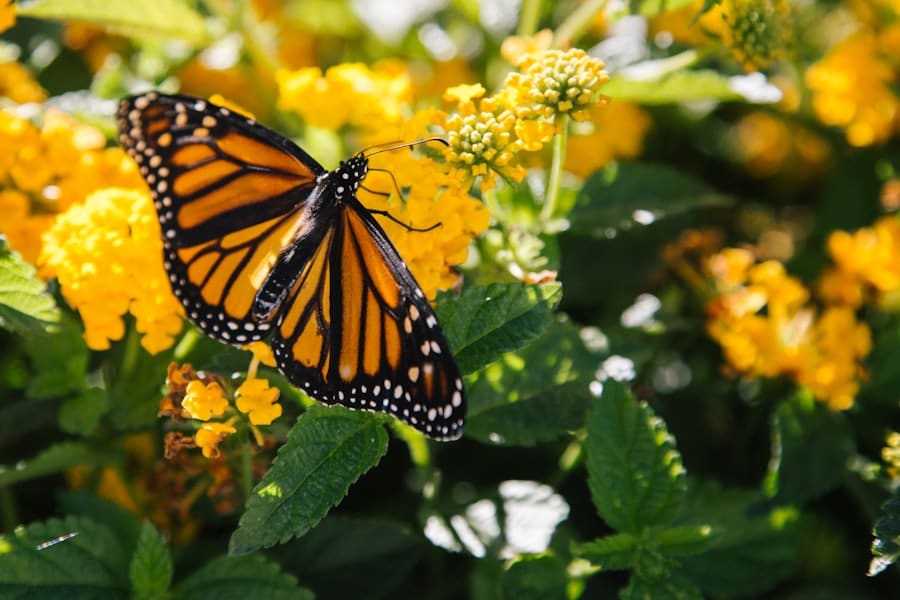
One of the most significant consequences of climate change is the expansion of habitats suitable for insect pest species. As temperatures rise, many insects are migrating to higher altitudes and latitudes in search of more favorable conditions. This shift can lead to the introduction of pests into regions where they were previously absent, creating new challenges for local ecosystems and agricultural systems alike.
You may find that areas once considered safe from certain pests are now facing unprecedented threats as these species establish themselves in new environments. The expansion of habitats is not limited to geographical shifts; it also includes changes in microhabitats within existing ecosystems. For example, urban areas may become increasingly attractive to certain pests due to heat islands created by human activity.
As you observe these changes, it is essential to recognize that the introduction of new pests can disrupt existing ecological balances, leading to unforeseen consequences for native species and agricultural practices.
Case Studies of Insect Pest Species Spread due to Climate Change
Examining specific case studies can provide valuable insights into how climate change is influencing the spread of insect pest species. One notable example is the mountain pine beetle (Dendroctonus ponderosae), which has devastated forests across North America. Warmer winters have allowed this beetle to survive at higher elevations and latitudes than ever before.
As you explore this case, you may find that the consequences extend beyond timber loss; entire ecosystems are affected as tree mortality alters habitat structures and species interactions. Another compelling case is that of the Asian tiger mosquito (Aedes albopictus), which has expanded its range significantly due to climate change. Originally native to Southeast Asia, this mosquito has spread to various parts of the world, including Europe and North America.
Its ability to thrive in diverse environments has raised concerns about the transmission of diseases such as dengue fever and Zika virus. As you consider these examples, it becomes clear that the spread of insect pests due to climate change poses significant risks not only to agriculture but also to public health.
Role of Climate Change in the Introduction of New Insect Pest Species
Climate change plays a crucial role in facilitating the introduction of new insect pest species into various ecosystems. As global temperatures rise and weather patterns shift, conditions become more favorable for invasive species that were previously limited by climatic constraints. You may find that international trade and travel further exacerbate this issue, as pests hitch rides on goods and vehicles, finding new homes in regions where they can thrive.
The introduction of new insect pests can have devastating effects on local biodiversity and agricultural productivity. For instance, the brown marmorated stink bug (Halyomorpha halys), originally from East Asia, has become a significant agricultural pest in North America since its introduction in the late 1990s. Its rapid spread can be attributed to changing climate conditions that have allowed it to establish populations in diverse environments.
As you reflect on these dynamics, it becomes evident that proactive measures are necessary to mitigate the risks associated with new pest introductions driven by climate change.
Challenges in Managing the Spread of Insect Pest Species due to Climate Change
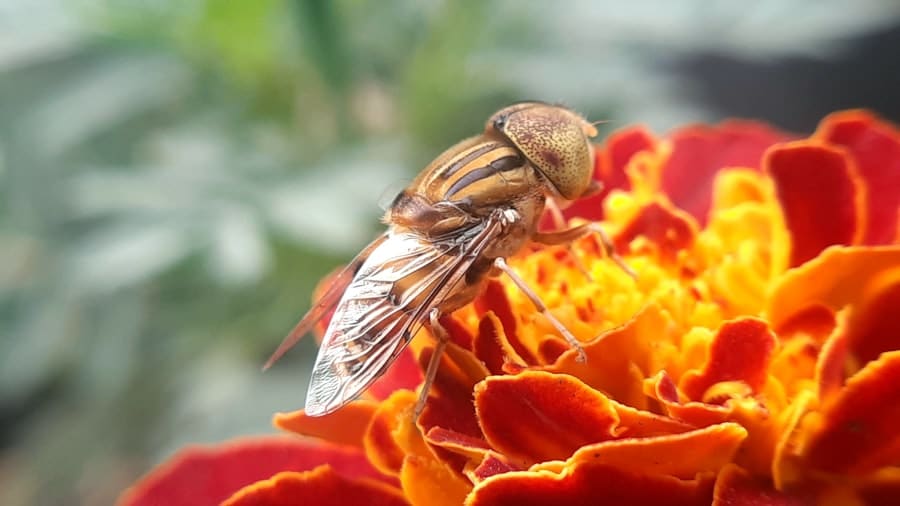
Managing the spread of insect pest species in a changing climate presents numerous challenges for agricultural producers and policymakers alike. One significant hurdle is the unpredictability of pest behavior in response to climate variations. As you navigate this landscape, you may find that traditional pest management strategies often fall short in addressing the complexities introduced by climate change.
For example, integrated pest management (IPM) practices may need to be adapted or entirely rethought as pests evolve and adapt more rapidly than anticipated. Additionally, there is a growing concern about the potential for increased pesticide resistance among insect populations due to accelerated reproduction rates and selective pressures imposed by climate change. As you consider these challenges, it becomes clear that a multifaceted approach is necessary—one that combines research, education, and innovative management practices to effectively address the evolving threats posed by insect pests.
Mitigation Strategies for Climate Change-Driven Spread of Insect Pest Species
To combat the challenges posed by climate change-driven spread of insect pest species, several mitigation strategies can be employed. First and foremost, enhancing monitoring and surveillance systems is crucial for early detection of emerging pest threats. By staying informed about shifts in pest populations and their geographical ranges, you can take proactive measures to manage infestations before they escalate.
Another effective strategy involves promoting biodiversity within agricultural systems. By fostering a diverse array of crops and natural habitats, you can create environments that support beneficial insects while reducing reliance on chemical pesticides. Additionally, investing in research focused on developing climate-resilient crop varieties can help mitigate the impacts of pest pressures exacerbated by climate change.
As you explore these strategies, it becomes evident that collaboration among scientists, farmers, and policymakers is essential for developing comprehensive solutions.
Conclusion and Future Outlook for Managing Climate Change and Insect Pest Species
In conclusion, the interplay between climate change and insect pest species presents both challenges and opportunities for agriculture and ecosystem management. As you reflect on the information presented throughout this article, it is clear that understanding this relationship is vital for developing effective strategies to mitigate risks associated with pest outbreaks. The future will require adaptive management approaches that consider not only current conditions but also anticipate future changes driven by climate dynamics.
Looking ahead, it is essential to foster collaboration among researchers, policymakers, and agricultural practitioners to develop innovative solutions that address the complexities introduced by climate change. By prioritizing research on pest behavior under changing climatic conditions and investing in sustainable agricultural practices, you can contribute to a more resilient future for both ecosystems and food systems alike. The path forward may be fraught with challenges, but with proactive measures and a commitment to adaptation, it is possible to navigate this evolving landscape successfully.
Climate change is not only impacting the spread of new insect pest species and the expansion of their habitats, but it is also affecting the need for effective pest control services. As temperatures rise and weather patterns become more unpredictable, pests are finding new ways to thrive in different environments. In order to stay ahead of the critters, homeowners are turning to innovative pest prevention hacks like sealing cracks and crevices, keeping food stored properly, and maintaining a clean living space. For those in Chesapeake, Virginia, or Escondido, California, the best pest control services are essential in combating the influx of pests due to climate change. To learn more about the importance of pest control services in these areas, check out this article or this article.
FAQs
What is climate change?
Climate change refers to significant and long-term changes in the Earth’s climate, including changes in temperature, precipitation, and wind patterns. These changes are largely attributed to human activities, such as the burning of fossil fuels and deforestation, which release greenhouse gases into the atmosphere.
How does climate change affect insect pest species?
Climate change can affect insect pest species in several ways. Warmer temperatures can allow insects to survive in regions where they previously could not, while changes in precipitation patterns can create new habitats for insect pests. Additionally, extreme weather events associated with climate change, such as hurricanes and droughts, can disrupt ecosystems and create opportunities for insect pests to thrive.
What is the role of climate change in the spread of new insect pest species?
Climate change can facilitate the spread of new insect pest species by creating more favorable conditions for their survival and reproduction. Warmer temperatures can allow insect pests to expand their range into new areas, while changes in precipitation patterns can create new habitats for them to inhabit.
How does climate change contribute to the expansion of insect pest habitats?
Climate change contributes to the expansion of insect pest habitats by altering the environmental conditions in which they can thrive. For example, warmer temperatures can allow insect pests to survive in regions where they previously could not, while changes in precipitation patterns can create new breeding grounds for them.
What are the potential impacts of the spread of new insect pest species and the expansion of their habitats?
The spread of new insect pest species and the expansion of their habitats can have significant impacts on agriculture, forestry, and human health. These insect pests can damage crops, forests, and natural ecosystems, leading to economic losses and food security concerns. Additionally, some insect pests can transmit diseases to humans and animals, posing public health risks.