
When you first notice physical damage in your home, it can be alarming. You might find gnaw marks on wooden furniture, holes in walls, or even shredded fabric from your favorite couch. These signs often indicate the presence of pests, such as rodents or insects, that have made your living space their own.
It’s essential to take these signs seriously, as they can lead to more significant issues if left unaddressed. The damage can escalate quickly, resulting in costly repairs and potential health hazards. As you inspect your home for physical damage, pay close attention to areas that are often overlooked, such as attics, basements, and behind appliances.
You may discover not only the visible signs of pest activity but also the hidden consequences of their presence. For instance, a small hole in the wall could be the entry point for a larger infestation. By identifying and addressing these issues early on, you can prevent further damage and maintain the integrity of your home.
Key Takeaways
- Physical damage to structures or furniture may indicate the presence of pests such as termites or rodents.
- Presence of droppings in and around the home can be a sign of a pest infestation, such as rodents or cockroaches.
- Unusual odors, such as a musty or pungent smell, can indicate the presence of pests like mold or rodents.
- Visible insects in and around the home may indicate a pest infestation, such as ants, cockroaches, or bed bugs.
- Hollowed or damaged wood, especially in areas like the attic or basement, can be a sign of a termite or carpenter ant infestation.
Presence of Droppings
Identifying Droppings
If you find small pellets in your kitchen or pantry, it’s likely that rodents have taken up residence. These droppings can vary in size and shape depending on the type of pest, but they all indicate that you need to take action.
Health Risks
Not only are droppings unsightly, but they can also pose health risks, as they may carry diseases that can affect you and your family. In addition to rodent droppings, you might also encounter insect droppings, which can appear as tiny specks or frass. This is particularly common with pests like termites or cockroaches.
Taking Action
If you notice these signs, it’s crucial to act quickly. Cleaning up droppings is just the first step; you must also identify the source of the infestation to effectively eliminate it. By doing so, you can create a healthier living environment and reduce the risk of further pest-related issues.
Unusual Odors
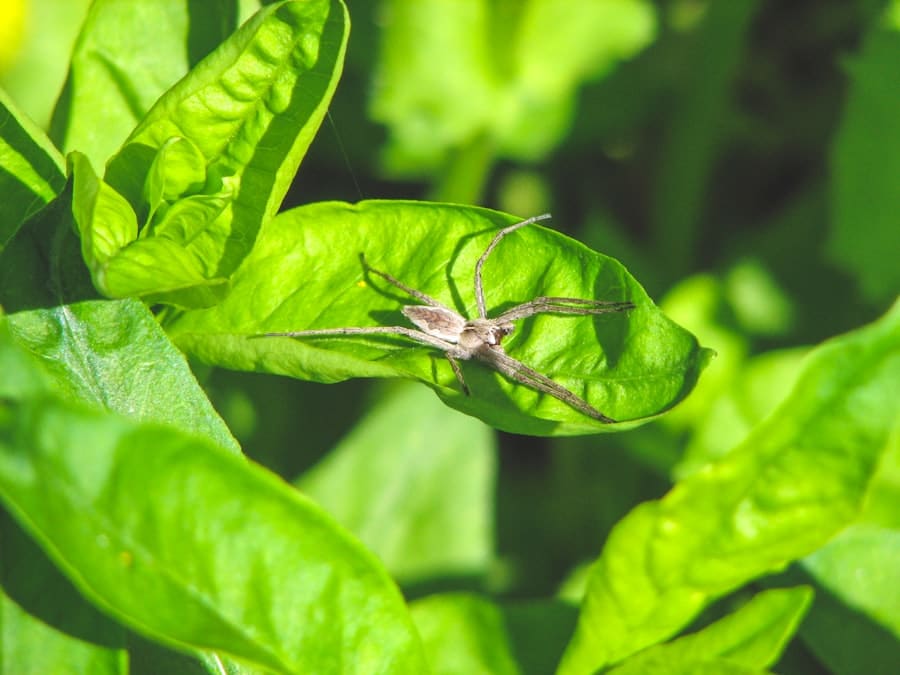
Unusual odors in your home can be a significant indicator of pest activity. If you detect a musty smell or a foul odor that seems to linger despite your best cleaning efforts, it may be time to investigate further. Pests like rodents often leave behind a distinct scent due to their urine and droppings, which can permeate walls and furniture.
This odor not only signals an infestation but can also lead to unpleasant living conditions. Moreover, certain insects, such as cockroaches or bedbugs, can emit a musty or sweet smell that is hard to ignore. If you notice these odors, it’s essential to pinpoint their source.
Ignoring these signs can lead to a more extensive infestation and increased difficulty in eradicating the pests. By addressing unusual odors promptly, you can help restore a fresh atmosphere in your home and protect your family from potential health risks.
Visible Insects
Seeing visible insects in your home is often the most direct sign of an infestation. Whether it’s a line of ants marching across your kitchen counter or a single cockroach scuttling across the floor, these sightings should not be taken lightly. Each type of insect has its own behavior patterns and nesting habits, so understanding what you’re dealing with is crucial for effective pest control.
When you spot visible insects, take note of their size, color, and behavior. This information can help you identify the species and determine the best course of action for removal. For example, if you see termites swarming around wooden structures, immediate action is necessary to prevent severe damage to your home.
By being vigilant and proactive about visible insects, you can protect your living space from further infestations and maintain a comfortable environment.
Hollowed or Damaged Wood
Hollowed or damaged wood is a clear indication that pests like termites or wood-boring beetles are at work in your home. If you notice soft spots in wooden beams or furniture that seem unusually light or crumbly, it’s time to investigate further. These pests feed on wood, creating tunnels and cavities that compromise the structural integrity of your home.
Ignoring these signs can lead to significant damage and costly repairs down the line. To assess the extent of the damage, gently tap on affected areas with a tool or your knuckles. If the wood sounds hollow or crumbles easily, it’s likely infested.
In such cases, it’s essential to consult with a pest control professional who can evaluate the situation and recommend appropriate treatment options. By addressing hollowed or damaged wood promptly, you can safeguard your home against further deterioration and ensure its longevity.
Nesting Materials
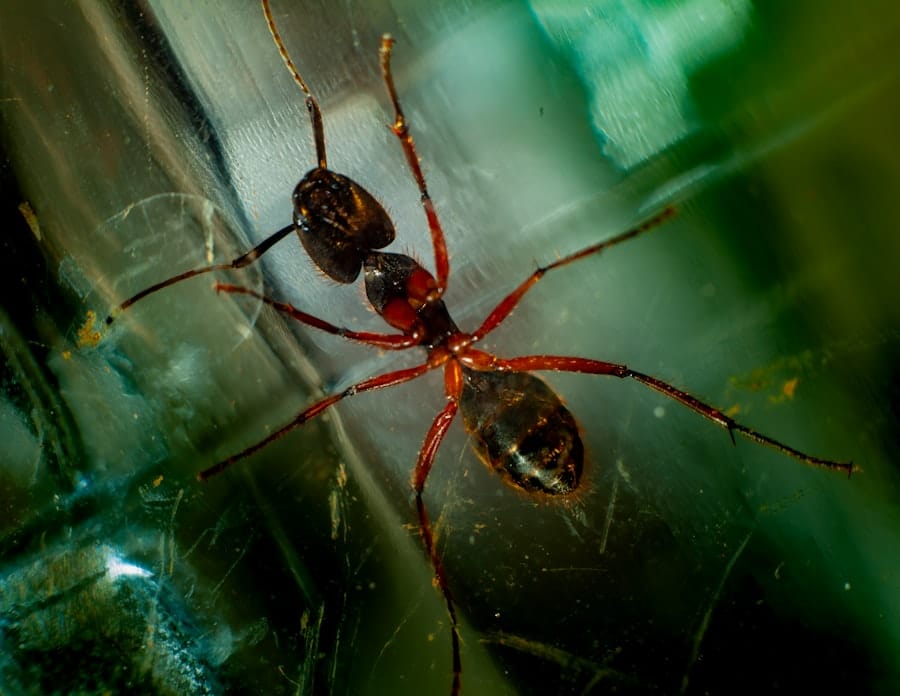
Nesting Materials Left Behind by Insects
Insects may also leave behind nesting materials, such as silk webs from spiders or frass from termites. These materials not only indicate an infestation but can also contribute to unsanitary conditions in your living space.
The Importance of Immediate Action
If you discover nesting materials, it’s crucial to take action immediately is essential for maintaining a healthy environment and preventing further infestations.
Cleaning Up Nesting Materials
Cleaning up these items is essential for maintaining a healthy environment and preventing further infestations.
Unexplained Allergies or Skin Irritations
If you or your family members are experiencing unexplained allergies or skin irritations, pests could be the culprit. Certain insects, such as bedbugs or fleas, can cause allergic reactions that manifest as rashes or itching. Additionally, dust mites—often found in homes with high humidity—can trigger respiratory issues and other allergic responses.
To determine if pests are responsible for these health concerns, consider conducting a thorough inspection of your living space. Look for signs of infestations, such as droppings or visible insects, particularly in areas where you spend a lot of time sleeping or relaxing. If you suspect that pests are causing health issues, it’s essential to consult with a healthcare professional while also addressing the pest problem in your home.
Unusual Sounds
Unusual sounds in your home can be unsettling and may indicate the presence of pests. Scratching noises coming from walls or ceilings during the night could suggest that rodents are scurrying about in search of food or nesting materials. Similarly, tapping or buzzing sounds may point to insects like termites or wasps that have made their way into your living space.
If you hear these sounds consistently, it’s crucial to investigate their source. Ignoring them could lead to more significant infestations and potential damage to your property. Consider setting up traps or consulting with pest control experts who can help identify the type of pest causing the noise and recommend effective solutions for removal.
Sudden Increase in Pest Activity
A sudden increase in pest activity is often a red flag that something needs immediate attention. If you’ve noticed more insects or rodents than usual in your home—perhaps during a specific season—it’s essential to understand why this is happening. Seasonal changes can affect pest behavior; for instance, warmer months may bring an influx of ants seeking food sources.
Monitoring pest activity closely will help you identify patterns and potential entry points into your home. If you notice an uptick in activity despite taking preventive measures, it may be time to consult with professionals who specialize in pest control. They can provide insights into effective strategies for managing infestations and keeping pests at bay.
Changes in Plant Health
If you have indoor plants or a garden outside, changes in plant health can signal pest problems lurking nearby. Wilting leaves, discolored foliage, or stunted growth may indicate that pests like aphids or spider mites are feeding on your plants. These tiny invaders can wreak havoc on your garden if left unchecked.
To protect your plants from pests, regularly inspect them for signs of infestation and take action as needed. This may involve using insecticidal soap or introducing beneficial insects that prey on harmful pests. By staying vigilant about plant health and addressing any issues promptly, you can maintain a thriving garden while keeping pests at bay.
Presence of Eggs or Larvae
Finding eggs or larvae in your home is often one of the most alarming signs of an infestation. Whether they’re tiny white eggs hidden in corners or wriggling larvae crawling across surfaces, these indicators suggest that pests are breeding within your living space. Common culprits include moths laying eggs in pantry items or flies breeding in damp areas.
If you encounter eggs or larvae during your inspections, it’s crucial to act quickly to prevent further reproduction and spread throughout your home. Cleaning affected areas thoroughly and disposing of infested items will help eliminate these pests before they become a more significant problem. Consulting with pest control professionals can also provide guidance on effective treatments tailored to the specific type of infestation you’re facing.
In conclusion, being aware of these signs can help you maintain a pest-free environment in your home. From physical damage to unusual sounds and changes in plant health, each indicator serves as a reminder to stay vigilant about potential infestations. By taking proactive measures and seeking professional assistance when necessary, you can protect your living space from unwanted guests and ensure a safe and healthy environment for yourself and your family.
If you suspect your home may be experiencing an insect infestation, it’s important to act quickly. One helpful resource to consider is a best pest control service in Des Moines, Iowa or the best pest control service in Santa Ana, California to effectively eliminate the problem.
FAQs
What are signs of insect infestation?
Some common signs of insect infestation include visible presence of insects, damage to plants or structures, unusual odors, and insect droppings or excrement.
How can I identify an insect infestation in my home?
You can identify an insect infestation in your home by looking for signs such as visible insects, damage to furniture or food, unusual odors, and insect droppings or excrement.
What are some common insects that cause infestations?
Some common insects that cause infestations include ants, termites, cockroaches, bed bugs, and pantry pests like beetles and moths.
What should I do if I suspect an insect infestation in my home?
If you suspect an insect infestation in your home, it is important to contact a pest control professional to assess the situation and recommend a course of action to eliminate the infestation.