
When you think about pests that can wreak havoc on your property, termites might not be the first that come to mind. However, these small insects are among the most destructive forces in the natural world, capable of causing extensive damage to wooden structures and products. Termites feed on cellulose, a component found in wood, paper, and other plant materials.
This diet allows them to thrive in environments where wood is abundant, making retail stores particularly vulnerable. The sheer number of termites in a colony can lead to significant structural damage in a short period, often going unnoticed until it’s too late. Understanding the threat posed by termites is crucial for anyone managing a retail space.
These pests can compromise the integrity of your store’s infrastructure, leading to costly repairs and potential safety hazards. The damage they inflict is not just limited to the physical structure; it can also extend to your inventory and overall business reputation. By recognizing the destructive nature of termites, you can take proactive steps to safeguard your retail environment against these insidious invaders.
Key Takeaways
- Termites can cause significant damage to retail stores, including inventory, structures, and potential health and safety risks.
- Vulnerable areas in retail stores where termites are likely to infest include wooden structures, cardboard boxes, and areas with high moisture levels.
- Termites can damage retail inventory, leading to financial losses and potential reputation damage for the store.
- Termite infestations in retail stores can pose health and safety concerns for customers, including allergic reactions and potential structural hazards.
- Retail stores must comply with pest control standards and regulations to prevent and eliminate termite infestations.
Identifying Vulnerable Areas: Where Termites Are Likely to Infest in Retail Stores
In any retail store, certain areas are more susceptible to termite infestations than others. You should pay close attention to locations where wood is in direct contact with soil, such as wooden pallets, shelving units, and display fixtures. Basements and crawl spaces are also prime targets for termites, as they provide a dark and humid environment conducive to their survival.
If your store has any wooden structures or fixtures near these areas, you may want to consider them as potential hotspots for termite activity. Additionally, you should be aware of any water leaks or moisture issues within your store. Termites are attracted to damp environments, so areas with plumbing leaks or poor drainage can become breeding grounds for these pests.
Regularly inspecting these vulnerable areas can help you catch any signs of infestation early on. By being proactive and vigilant, you can significantly reduce the risk of termites taking hold in your retail space.
The Impact on Products: How Termites Can Damage Retail Inventory

The presence of termites in a retail store can have dire consequences for your inventory. Wooden products, such as furniture, fixtures, and even packaging materials, are at risk of being damaged or destroyed by these pests. If you sell items made from wood or paper, you may find that termites have compromised their integrity, rendering them unsellable.
This not only leads to financial losses but can also affect customer satisfaction and trust in your brand. Moreover, the damage caused by termites is often not immediately visible. You might discover that a product has been compromised only after a customer has purchased it, leading to returns and complaints.
This situation can tarnish your store’s reputation and result in lost sales opportunities. By understanding how termites can impact your inventory, you can take steps to protect your products and maintain customer confidence.
Risks to Customers: Potential Health and Safety Concerns from Termite Infestations
While termites are not known to pose direct health risks to humans, their presence in a retail environment can lead to indirect safety concerns. For instance, if structural damage occurs due to a termite infestation, it could create hazardous conditions for customers and employees alike. Weakened floors or walls may collapse under weight, leading to injuries or accidents within your store.
Additionally, if you sell products that have been damaged by termites, customers may unknowingly purchase items that are unsafe or unusable. This not only puts your customers at risk but also exposes your business to potential liability claims. By addressing termite infestations promptly and effectively, you can help ensure a safe shopping environment for everyone who enters your store.
Legal and Regulatory Considerations: Compliance with Pest Control Standards in Retail Environments
As a retail store owner or manager, it’s essential to be aware of the legal and regulatory considerations surrounding pest control in your establishment. Many regions have specific guidelines regarding pest management practices that businesses must adhere to in order to maintain a safe environment for customers and employees. Failing to comply with these regulations can result in fines or even the closure of your business.
You should familiarize yourself with local laws regarding pest control and ensure that your store is compliant with all relevant standards. This may involve working with licensed pest control professionals who understand the legal requirements in your area. By prioritizing compliance with pest control standards, you not only protect your business from legal repercussions but also demonstrate a commitment to maintaining a safe and healthy environment for everyone who visits your store.
Prevention Measures: Proactive Steps to Protect Retail Stores from Termite Infestations
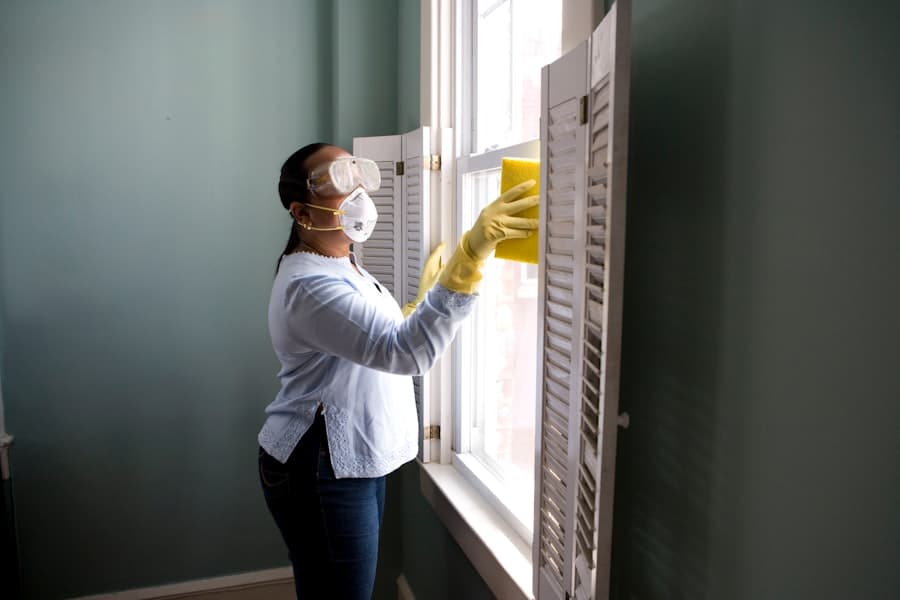
Preventing termite infestations requires a proactive approach that involves multiple strategies. One of the most effective measures is to eliminate any sources of moisture around your store. Ensure that gutters are functioning properly and that water is directed away from the building’s foundation.
Additionally, consider using dehumidifiers in areas prone to dampness, such as basements or storage rooms. Another important prevention measure is to conduct regular inspections of your store’s wooden structures and inventory. Look for signs of termite activity, such as mud tubes or hollowed-out wood.
If you notice any signs of infestation, it’s crucial to act quickly to mitigate the problem before it escalates. By implementing these proactive steps, you can significantly reduce the likelihood of termites invading your retail space.
Inspection and Monitoring: Regular Checks for Signs of Termites in Retail Spaces
Regular inspections are vital for identifying potential termite infestations before they become serious problems. You should establish a routine schedule for checking vulnerable areas within your store, focusing on places where wood meets soil or where moisture accumulates. During these inspections, look for signs such as discarded wings, mud tubes along walls or foundations, and hollow-sounding wood.
In addition to visual inspections, consider implementing monitoring systems that can help detect termite activity early on. These systems may include bait stations placed strategically around your property that attract termites and allow for early detection of infestations. By staying vigilant and conducting regular checks for signs of termites, you can catch infestations early and take appropriate action before they cause significant damage.
Treatment Options: Effective Methods for Eliminating Termites in Retail Stores
If you discover a termite infestation in your retail store, it’s essential to act quickly to eliminate the problem effectively. There are several treatment options available that can help eradicate termites from your premises. One common method is the use of liquid termiticides that create a barrier around the foundation of your building, preventing termites from entering.
Another effective treatment option is baiting systems that attract termites and deliver a slow-acting insecticide back to the colony. This method targets the entire colony rather than just individual insects, making it a more comprehensive solution for severe infestations. Regardless of the method you choose, it’s crucial to work with pest control professionals who have experience dealing with termite issues in retail environments.
Collaborating with Pest Control Professionals: The Importance of Working with Experts in Termite Control
When it comes to managing termite infestations in retail stores, collaborating with pest control professionals is essential. These experts possess the knowledge and experience necessary to identify infestations accurately and recommend effective treatment options tailored to your specific situation. They can also provide valuable insights into prevention measures that can help protect your store from future infestations.
Working with professionals not only ensures that you receive expert guidance but also helps you stay compliant with local regulations regarding pest control practices. A reputable pest control company will be familiar with the legal requirements in your area and can help you navigate any necessary paperwork or inspections. By partnering with experts in termite control, you can safeguard your retail space against these destructive pests.
Communication and Education: Training Retail Staff on Termite Awareness and Response
Educating your staff about termite awareness is an important aspect of maintaining a termite-free retail environment. You should provide training sessions that cover the signs of termite activity and the steps employees should take if they suspect an infestation. Encourage open communication among staff members so that everyone feels empowered to report any concerns regarding potential termite issues.
Additionally, consider creating informational materials that staff can reference when needed. This could include checklists for identifying signs of termites or guidelines for reporting suspected infestations promptly. By fostering a culture of awareness and responsiveness among your team, you can enhance your store’s ability to detect and address termite issues before they escalate.
Long-Term Strategies: Maintaining a Termite-Free Environment in Retail Stores
Maintaining a termite-free environment requires ongoing commitment and vigilance. After implementing initial prevention measures and addressing any existing infestations, you should establish long-term strategies that promote continued protection against termites. Regular inspections should remain a priority, along with consistent monitoring for signs of activity.
You might also consider developing relationships with pest control professionals who can provide ongoing support and advice tailored specifically for your retail environment. Regularly revisiting prevention measures—such as moisture control and structural maintenance—will further enhance your store’s defenses against termites over time. By adopting a proactive mindset toward termite management, you can ensure that your retail space remains safe and secure for both customers and employees alike.
When it comes to termite control in retail stores, it is crucial to safeguard both your products and customers from potential damage and harm. One related article that provides valuable insights into pest control is “The Zen of Pest Control: Finding Calm Amidst the Creepy Crawly Chaos.” This article offers tips on how to maintain a sense of calm and control when dealing with pest infestations. By implementing effective pest control measures, such as those discussed in this article, retail store owners can ensure a safe and pest-free environment for their customers and products. For more information on the best pest control services in McKinney, Texas and Chula Vista, California, visit here and here.
FAQs
What are termites and why are they a concern for retail stores?
Termites are small insects that feed on wood and can cause significant damage to buildings and products. They are a concern for retail stores because they can damage the structure of the building and destroy merchandise, leading to financial losses.
How can termites be prevented in retail stores?
To prevent termites in retail stores, it is important to have regular inspections for signs of termite activity, maintain proper ventilation and moisture control, and use termite-resistant materials in construction and storage.
What are the signs of termite infestation in a retail store?
Signs of termite infestation in a retail store include hollow-sounding wood, discarded termite wings, mud tubes on walls or foundation, and visible damage to wooden structures or products.
What are the treatment options for termite control in retail stores?
Treatment options for termite control in retail stores include chemical barriers, baiting systems, and fumigation. It is important to consult with a professional pest control company to determine the most effective treatment for the specific situation.
How can retail stores safeguard their products and customers from termite damage?
Retail stores can safeguard their products and customers from termite damage by implementing regular inspections, maintaining a clean and dry environment, using termite-resistant materials, and promptly addressing any signs of termite activity.