
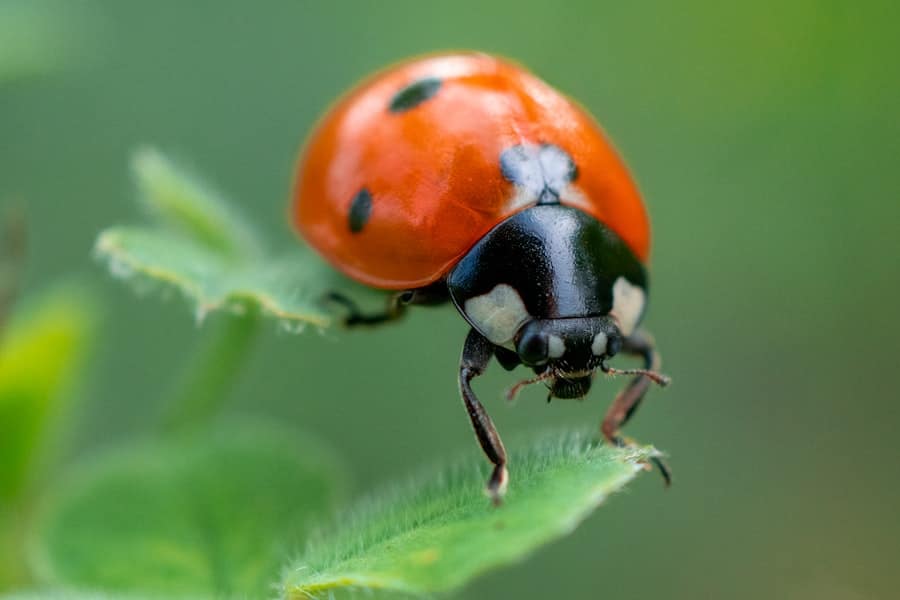
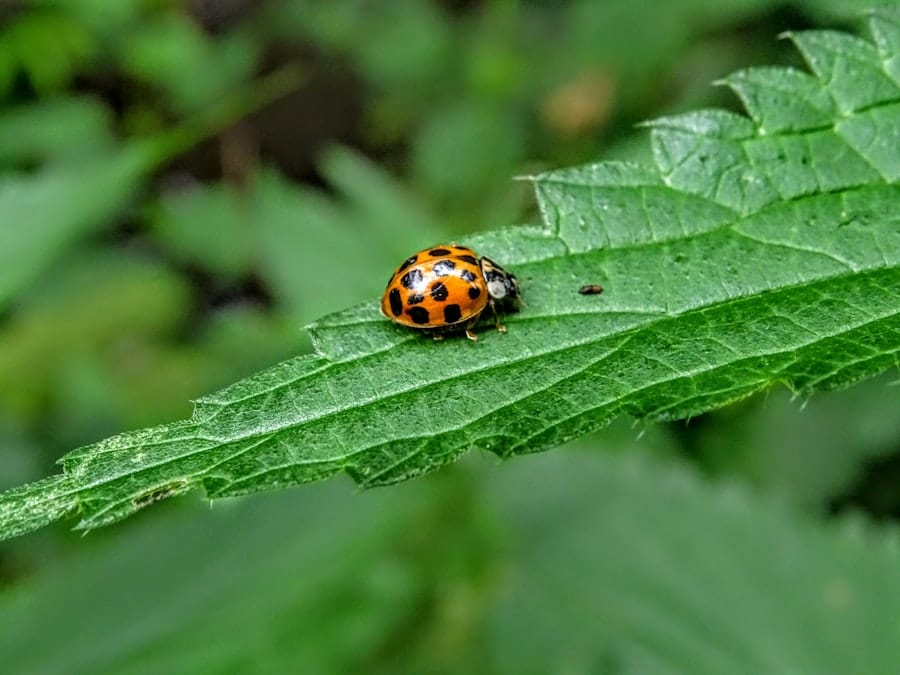
When it comes to dealing with pests, the first step is to understand the various types of bugs that may invade your space. You might be surprised to learn that not all bugs are harmful; some can even be beneficial. For instance, ladybugs and certain types of wasps can help control pest populations in your garden.
However, you should also be aware of the more troublesome varieties, such as cockroaches, ants, and termites, which can cause significant damage to your home and health. By familiarizing yourself with these insects, you can better prepare yourself for prevention and control measures. Identifying the specific bugs that are causing issues in your home or garden is crucial.
Each type of bug has its own habits, breeding cycles, and preferred environments. For example, ants are social insects that often form colonies, while bedbugs are notorious for their ability to hide in tiny crevices and emerge at night to feed on human blood. Understanding these behaviors will help you tailor your approach to pest management effectively.
You may find it helpful to keep a journal of sightings and behaviors, which can assist you in pinpointing the source of the infestation and determining the best course of action.
Key Takeaways
- Understanding the types of bugs is crucial for effective pest control
- Natural repellents and deterrents can be effective in keeping bugs away
- Chemical solutions and pesticides should be used with caution and as a last resort
- Maintaining a clean and tidy environment is key to preventing bug infestations
- Sealing entry points and cracks can help keep bugs out of the home
Natural repellents and deterrents
If you’re looking for a more eco-friendly approach to pest control, natural repellents and deterrents can be quite effective. Many common household items can serve as powerful bug repellents. For instance, vinegar is known for its ability to repel ants and spiders.
You can create a simple solution by mixing equal parts of vinegar and water in a spray bottle and applying it to areas where you’ve noticed bug activity. Essential oils like peppermint, lavender, and tea tree oil are also excellent options; their strong scents can deter various insects while leaving your home smelling fresh. Another natural deterrent is diatomaceous earth, a fine powder made from fossilized algae.
When sprinkled in areas where bugs are likely to travel, it can dehydrate and kill soft-bodied insects like slugs and cockroaches. This method is safe for pets and humans, making it an appealing choice for those who want to avoid harsh chemicals. You might also consider planting herbs like basil or rosemary around your home, as their strong fragrances can naturally repel pests while adding beauty to your garden.
Chemical solutions and pesticides
While natural methods can be effective, there are times when chemical solutions and pesticides may be necessary to tackle a severe infestation. When considering chemical options, it’s essential to choose products that are specifically designed for the type of bug you’re dealing with. For example, insecticides formulated for ants may not be effective against bedbugs or termites.
Always read labels carefully and follow the manufacturer’s instructions to ensure safe and effective use. It’s also important to consider the potential impact of chemical solutions on your family and pets. Many modern pesticides are designed to be less harmful than their predecessors, but caution is still advised.
You might want to apply these products when you can vacate the area for a few hours or even overnight. Additionally, consider using targeted applications rather than broad sprays to minimize exposure. By being informed about the chemicals you use, you can strike a balance between effective pest control and safety.
Maintaining a clean and tidy environment
One of the most effective ways to prevent bugs from invading your home is by maintaining a clean and tidy environment. Bugs are often attracted to food sources, so keeping your kitchen and dining areas clean is crucial. Make it a habit to wipe down surfaces regularly, store food in airtight containers, and promptly clean up spills or crumbs.
You may also want to vacuum frequently to remove any potential food sources that could attract pests. In addition to food cleanliness, decluttering your living spaces can significantly reduce bug hiding spots. Bugs love dark, cluttered areas where they can nest undisturbed.
By organizing your belongings and minimizing clutter, you create an environment that is less inviting to pests. Regularly check storage areas like attics, basements, and garages for signs of infestations or potential nesting sites. A proactive approach to cleanliness will go a long way in keeping bugs at bay.
Sealing entry points and cracks
Bugs are often able to enter your home through tiny cracks and openings that you might not even notice. To effectively keep them out, it’s essential to conduct a thorough inspection of your home’s exterior. Look for gaps around windows, doors, pipes, and vents where bugs could gain access.
Sealing these entry points with caulk or weather stripping can significantly reduce the likelihood of an infestation. In addition to sealing gaps, consider installing door sweeps on exterior doors to block any potential entry from crawling insects. Pay special attention to areas where utilities enter your home; these spots are often overlooked but can serve as highways for pests.
By taking the time to seal these vulnerabilities, you create a formidable barrier against unwanted visitors.
Using bug-repelling plants
Incorporating bug-repelling plants into your garden or home can be an attractive way to deter pests naturally. Certain plants have been shown to repel insects due to their strong scents or chemical properties. For example, marigolds are known for their ability to deter nematodes and other garden pests, while citronella grass is famous for repelling mosquitoes.
By strategically placing these plants around your property, you not only enhance its aesthetic appeal but also create a natural defense against bugs. You might also consider growing herbs like mint or basil in pots near entryways or outdoor seating areas. Their potent aromas can help keep pests at bay while providing fresh ingredients for your cooking.
Additionally, many bug-repelling plants are easy to care for and thrive in various conditions, making them an excellent choice for both novice and experienced gardeners alike.
Installing screens and nets
Installing screens on windows and doors is another effective strategy for keeping bugs out of your home. Screens allow fresh air to circulate while preventing insects from entering your living spaces. When selecting screens, look for fine mesh options that can block even the smallest bugs from getting through.
Regularly inspect your screens for tears or holes; repairing any damage promptly will help maintain their effectiveness. In addition to window screens, consider using nets over outdoor areas where you gather, such as patios or porches. These nets can provide a barrier against flying insects like mosquitoes while allowing you to enjoy the outdoors comfortably.
By investing in screens and nets, you create a physical barrier that significantly reduces the chances of bugs invading your home.
Regularly disposing of trash and waste
Proper waste management is crucial in preventing pest infestations. Bugs are often attracted to garbage because it provides an easy food source. Make it a habit to dispose of trash regularly and ensure that all waste containers have tight-fitting lids.
If possible, use bins made from materials that are difficult for pests to penetrate. Additionally, consider composting organic waste in a manner that minimizes attraction for pests. If you have a compost pile or bin, ensure it is well-aerated and turned regularly to prevent odors that could attract bugs.
By managing waste effectively, you reduce the likelihood of attracting unwanted pests into your home.
Eliminating standing water
Standing water is a breeding ground for many types of insects, particularly mosquitoes. To prevent these pests from multiplying around your home, it’s essential to eliminate any sources of standing water in your yard or garden. Regularly check areas like bird baths, flower pots, clogged gutters, and pet water bowls for stagnant water that could serve as breeding sites.
If you have a pool or hot tub, ensure that it is properly maintained with appropriate chemicals and filtration systems to prevent mosquito larvae from developing. Additionally, consider landscaping changes that promote proper drainage in your yard; this will help prevent water from pooling in low-lying areas after rainstorms. By taking these steps, you significantly reduce the chances of mosquito infestations around your home.
Hiring professional pest control services
If you’ve tried various methods without success or if you’re facing a severe infestation, it may be time to consider hiring professional pest control services. These experts have access to advanced tools and techniques that can effectively eliminate pests from your home while ensuring safety for your family and pets. When selecting a pest control service, look for companies with good reviews and certifications that demonstrate their expertise in handling specific types of infestations.
Professional pest control services often provide comprehensive inspections that can identify hidden issues you may not have noticed on your own. They can also offer tailored treatment plans based on the specific pests you’re dealing with and the unique characteristics of your property. While this option may involve an upfront cost, the long-term benefits of eradicating pests effectively can save you money on potential damage repairs down the line.
Regular maintenance and vigilance
Finally, maintaining vigilance is key in preventing future infestations after you’ve successfully dealt with pests in your home. Regular maintenance checks should become part of your routine; this includes inspecting both the interior and exterior of your property for signs of new bug activity or vulnerabilities that need addressing. By staying proactive about pest management, you create an environment that is less inviting to unwanted guests.
Additionally, consider establishing seasonal pest control measures as part of your home maintenance plan. This could involve applying preventive treatments during peak pest seasons or conducting thorough inspections after significant weather changes that might encourage bug activity. By remaining vigilant and committed to regular maintenance practices, you can enjoy a bug-free home year-round while minimizing the risk of future infestations.
If you are looking for the best pest control service in Santa Rosa, California, then you should definitely check out How Do You Keep Bugs Away Permanently? Be sure to contact Thrift Pest Control for all your pest control needs in St. Paul, Minnesota as well.
FAQs
What are some natural ways to keep bugs away permanently?
Some natural ways to keep bugs away permanently include using essential oils like citronella, peppermint, and lavender, planting bug-repelling plants like marigolds and basil, and keeping a clean and clutter-free environment to eliminate bug habitats.
What are some chemical methods to keep bugs away permanently?
Chemical methods to keep bugs away permanently include using insecticides, bug sprays, and bug bombs. It is important to follow the instructions on these products carefully and use them in a well-ventilated area.
How can I keep bugs away from my home permanently?
To keep bugs away from your home permanently, you can seal cracks and crevices, keep your home clean and free of food crumbs, use screens on windows and doors, and consider hiring a professional pest control service for long-term prevention.
Are there any electronic devices that can keep bugs away permanently?
There are electronic devices like ultrasonic pest repellers and bug zappers that claim to keep bugs away permanently. However, the effectiveness of these devices is still debated, and it is important to research and consider other methods as well.