
Termites are often referred to as the silent destroyers of the insect world, and for good reason. These small, wood-eating insects can cause significant damage to homes and structures, often going unnoticed until the destruction is extensive. As a homeowner, understanding the potential threat posed by termites is crucial for safeguarding your property.
The damage they inflict can lead to costly repairs and even compromise the structural integrity of your home. This article will delve into the various species of termites, with a particular focus on the Formosan termite, known for its aggressive nature and destructive capabilities. The impact of termite damage is not just financial; it can also lead to emotional distress for homeowners who discover that their sanctuary has been compromised.
The thought of these pests gnawing away at the very foundation of your home can be unsettling. By educating yourself about the different types of termites, their behaviors, and the signs of infestation, you can take proactive measures to protect your home from these unwelcome invaders.
Key Takeaways
- Termite damage can be devastating to wooden structures and homes
- Formosan termites are the most destructive termite species
- Subterranean termites pose a major threat to homes, as they can go undetected for long periods
- Drywood termites impact wooden structures and can be difficult to detect
- Dampwood termites prefer moisture-rich environments and can cause significant damage to homes
Identifying the Most Destructive Termite Species
Subterranean Termites
These termites are notorious for their ability to tunnel through soil and invade homes from below.
Drywood and Dampwood Termites
Drywood termites prefer to infest dry wood above ground, while dampwood termites thrive in moist environments, often targeting decaying wood.
The Most Destructive Species: Formosan Termites
However, it is the Formosan termite that stands out as the most destructive species. Known for their aggressive feeding habits and large colonies, Formosan termites can cause extensive damage in a short period. Understanding these distinctions will help you identify potential threats and take appropriate action.
Subterranean Termites: A Major Threat to Homes

Subterranean termites are perhaps the most common and widespread type of termite found in the United States. They live in colonies underground and are known for their ability to create intricate tunnel systems that allow them to access food sources, primarily wood. These termites can enter homes through cracks in foundations or by traveling along utility lines and plumbing.
Their presence often goes unnoticed until significant damage has occurred. The damage caused by subterranean termites can be severe, as they can consume wood from the inside out, leaving only a thin veneer of material on the surface. This makes it difficult for homeowners to detect an infestation until it is too late.
Regular inspections and preventive measures are essential to mitigate the risk posed by these pests. If you suspect a subterranean termite infestation, it is crucial to act quickly to minimize damage and protect your home.
Drywood Termites: Their Impact on Wooden Structures
Drywood termites differ significantly from their subterranean counterparts in terms of habitat and feeding habits. These termites do not require contact with soil; instead, they infest dry wood found in structures such as homes, furniture, and even wooden beams. They can enter a building through small cracks or openings and establish colonies within the wood itself.
The damage caused by drywood termites can be extensive, as they can hollow out wooden structures over time. Unlike subterranean termites, which typically leave visible signs of damage, drywood termites may go unnoticed until significant structural issues arise. Homeowners should be vigilant in monitoring for signs of infestation, such as discarded wings or frass (termite droppings).
Early detection is key to preventing costly repairs and maintaining the integrity of your wooden structures.
Dampwood Termites: Their Preference for Moisture-Rich Environments
Dampwood termites are less common than subterranean and drywood termites but can still pose a threat to homes, particularly those with moisture issues. These termites thrive in damp or decaying wood, making them more likely to infest structures that have water damage or poor drainage. They are typically found in coastal regions or areas with high humidity.
The presence of dampwood termites often indicates underlying moisture problems within a home. If you notice signs of dampwood termite activity, it is essential to address any water issues promptly to prevent further infestations. While these termites may not be as destructive as Formosan or subterranean termites, they can still cause significant damage if left unchecked.
Regular inspections and maintenance can help mitigate the risk associated with dampwood termites.
Formosan Termites: The Most Destructive Termite Species
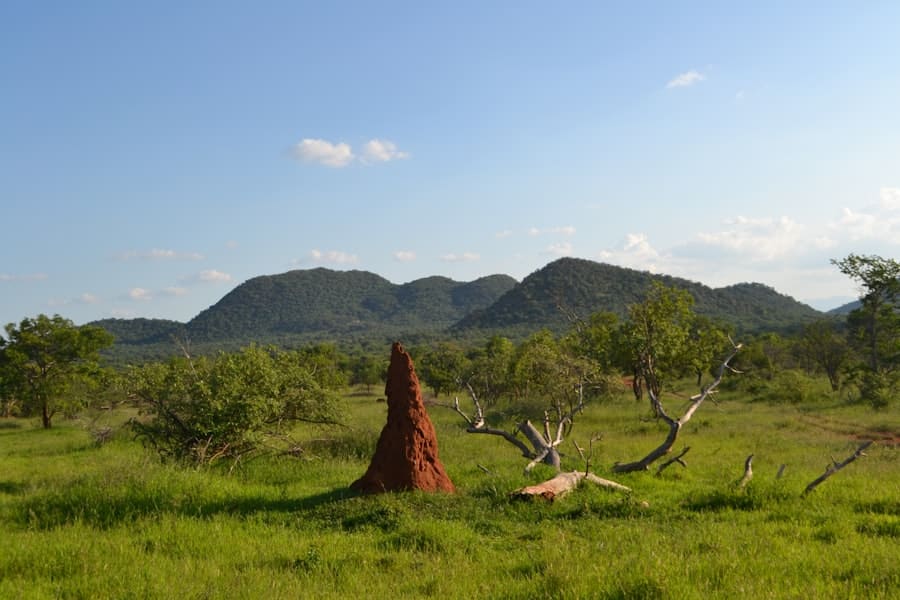
Among the various termite species, Formosan termites are widely regarded as the most destructive. Originating from Asia, they have spread to various parts of the United States and are known for their aggressive feeding habits and large colony sizes. A single colony can contain millions of individuals, allowing them to consume wood at an alarming rate.
Formosan termites are particularly dangerous because they can cause extensive damage in a relatively short period. Their ability to build extensive tunnel systems allows them to access food sources quickly and efficiently. Homeowners should be especially vigilant in areas where Formosan termites are known to exist, as their presence can lead to severe structural damage if not addressed promptly.
Understanding the Behavior and Habits of Formosan Termites
To effectively combat Formosan termite infestations, it is essential to understand their behavior and habits. These termites are social insects that live in large colonies, often consisting of thousands or even millions of individuals. They work together to build intricate tunnel systems that allow them to navigate through soil and wood in search of food.
Formosan termites are known for their aggressive nature; they can quickly overwhelm a structure if left unchecked. They prefer warm climates and are often found in areas with high humidity levels. Their ability to adapt to various environments makes them particularly challenging to control.
Understanding their behavior can help you identify potential risks and take proactive measures to protect your home.
The Damage Caused by Formosan Termites
The damage inflicted by Formosan termites can be catastrophic for homeowners. These pests have a voracious appetite for wood and can consume it at an alarming rate, leading to significant structural issues within a short timeframe. Unlike other termite species that may take years to cause noticeable damage, Formosan termites can compromise the integrity of a building in just a few months.
The extent of the damage caused by Formosan termites often goes unnoticed until it is too late. They tend to feed on hidden areas within walls, floors, and ceilings, making early detection challenging. Homeowners may find themselves facing costly repairs or even complete structural failure if an infestation is not addressed promptly.
Regular inspections and preventive measures are essential for protecting your home from these destructive pests.
Signs of Formosan Termite Infestation
Recognizing the signs of a Formosan termite infestation is crucial for early detection and intervention. One of the most common indicators is the presence of discarded wings near windows or doors; these wings are shed by reproductive swarmers during mating season. Additionally, you may notice mud tubes along foundation walls or wooden structures; these tubes serve as protective highways for the termites as they travel between their colony and food sources.
Another sign of infestation is frass, which resembles small pellets or sawdust-like material left behind by feeding termites. If you notice any of these signs in your home, it is essential to take immediate action by contacting a pest control professional who specializes in termite management. Early detection can save you from extensive damage and costly repairs down the line.
Prevention and Control of Formosan Termite Infestation
Preventing a Formosan termite infestation requires a proactive approach that includes regular inspections and maintenance practices aimed at reducing risk factors. One effective strategy is to eliminate moisture sources around your home; this includes fixing leaks, ensuring proper drainage, and maintaining gutters to prevent water accumulation near your foundation. Additionally, sealing cracks and crevices in your home’s exterior can help deter these pests from entering your living space.
Using treated wood for construction projects or renovations can also provide an added layer of protection against termite infestations. If you suspect a potential infestation or want peace of mind regarding your home’s safety, consider enlisting the help of a professional pest control service that specializes in termite management.
Conclusion and Recommendations for Protecting Your Home from Formosan Termites
In conclusion, understanding the threat posed by Formosan termites is essential for every homeowner looking to protect their property from potential destruction. By familiarizing yourself with the signs of infestation and implementing preventive measures, you can significantly reduce your risk of encountering these destructive pests. Regular inspections by pest control professionals can also provide valuable insights into your home’s condition and help identify any vulnerabilities before they escalate into major issues.
Taking proactive steps now will not only safeguard your home but also provide peace of mind knowing that you have taken measures against one of nature’s most formidable foes—Formosan termites. Remember that early detection is key; if you suspect any signs of infestation or have concerns about your home’s vulnerability, do not hesitate to seek professional assistance. Your home deserves protection from these silent destroyers!
If you are interested in learning more about natural remedies for keeping your home pest-free, check out the article Beyond Pesticides: Natural Remedies for a Pest-Free Home. This article provides tips and tricks for preventing pests from invading your living space without the use of harmful chemicals. It’s a great resource for those looking to maintain a pest-free environment in a safe and eco-friendly way.
FAQs
What is the most destructive termite to houses?
The most destructive termite to houses is the subterranean termite. These termites are responsible for the majority of termite damage to homes in the United States.
How do subterranean termites cause damage to houses?
Subterranean termites build their colonies underground and create mud tubes to access above-ground food sources, such as wood in houses. They feed on cellulose material, including wood, and can cause significant structural damage to homes.
Where are subterranean termites commonly found?
Subterranean termites are found throughout the United States, with the highest concentration in the southern and western regions. They thrive in moist environments and are often found in soil, wood, and other cellulose materials.
How can homeowners protect their houses from subterranean termites?
Homeowners can protect their houses from subterranean termites by maintaining proper drainage, reducing wood-to-soil contact, and scheduling regular termite inspections. Additionally, using termite-resistant building materials and treating the soil around the foundation can help prevent infestations.