
In the intricate world of crime scene investigation, the role of pest control is often overlooked, yet it is crucial for ensuring the integrity of evidence. You may not realize it, but pests can significantly influence the outcome of forensic investigations. Pest Control CSI, a specialized field that merges entomology with forensic science, focuses on understanding how insects and other pests interact with crime scenes.
This discipline not only aids in the identification of timeframes related to a crime but also helps in preserving the integrity of the evidence collected. As you delve deeper into this fascinating intersection of science and law enforcement, you will discover that pest control is not merely about extermination. It involves a comprehensive understanding of pest behavior, life cycles, and their ecological roles.
By employing pest control techniques, investigators can mitigate contamination risks and enhance the accuracy of their findings. This article will explore the various aspects of Pest Control CSI, shedding light on its significance in crime scene investigations.
Key Takeaways
- Pest control CSI is crucial in maintaining the integrity of crime scenes and ensuring accurate forensic investigations.
- Identifying common pests and their signs is essential in understanding their impact on crime scenes and preventing contamination.
- Pests can have a significant impact on crime scenes, including compromising evidence and spreading diseases.
- Utilizing pest control techniques such as exclusion, sanitation, and monitoring is vital in crime scene investigation.
- Pest control experts play a crucial role in identifying, controlling, and preventing pests from contaminating crime scenes.
Identifying Common Pests and Their Signs
When you think about pests, your mind might immediately jump to rodents or cockroaches. However, in the context of crime scenes, the focus shifts to insects such as flies, beetles, and ants. These creatures can provide vital clues about the timeline of events surrounding a crime.
For instance, the presence of blowflies can indicate that a body has been deceased for a specific period, as these insects are often among the first to arrive at a decomposing carcass. Recognizing these signs is essential for investigators who aim to piece together the sequence of events. In addition to identifying specific pests, you must also be aware of the signs they leave behind.
For example, the presence of maggots or larvae can signal decomposition, while certain types of beetles may indicate a more advanced stage of decay. Understanding these indicators allows you to make informed decisions about how to approach a crime scene. By being vigilant and knowledgeable about common pests and their behaviors, you can significantly enhance the investigative process.
Understanding the Impact of Pests on Crime Scenes

Pests can have a profound impact on crime scenes, often complicating investigations in unexpected ways. When you consider that insects can alter or destroy evidence, it becomes clear that their presence must be carefully managed. For example, if a body is left unattended for an extended period, insects can consume soft tissues and obscure vital forensic details.
This not only hampers the ability to determine cause of death but can also lead to challenges in identifying victims. Moreover, pests can introduce contaminants that may compromise forensic evidence. You might find that insect activity can lead to the degradation of DNA samples or other biological materials critical for analysis.
As an investigator, understanding these potential pitfalls is essential for maintaining the integrity of your findings. By recognizing how pests interact with crime scenes, you can take proactive measures to minimize their impact and ensure that your investigation remains on track.
Utilizing Pest Control Techniques in Crime Scene Investigation
Incorporating pest control techniques into crime scene investigations is not just about eliminating unwanted visitors; it’s about strategically managing their presence to preserve evidence. You may find that employing traps or barriers can help control insect populations without disrupting the scene itself. For instance, using insect traps can provide valuable data on what species are present and how they are interacting with the environment around them.
Additionally, pest control techniques can be employed to create a controlled environment for evidence collection. By using insecticides judiciously and in accordance with forensic protocols, you can minimize the risk of contamination while still allowing for thorough investigation. This delicate balance requires a deep understanding of both pest behavior and forensic principles, making it essential for investigators to be well-versed in both areas.
Case Studies: How Pests Have Impacted Crime Scenes
Examining real-life case studies reveals just how significant pests can be in crime scene investigations. In one notable case, investigators discovered that a murder victim had been left in an abandoned building for several days. The rapid proliferation of blowflies provided crucial information regarding the time of death, allowing detectives to narrow down their list of suspects significantly.
Without this insight from pest activity, the investigation could have taken a much longer route. Another case involved a homicide where ants were found swarming around the body. The presence of these insects not only indicated decomposition but also led investigators to discover additional evidence hidden beneath debris nearby.
This case highlights how pests can inadvertently guide investigators toward critical clues that may otherwise have gone unnoticed. By studying these instances, you can appreciate the invaluable role that pest control plays in enhancing forensic investigations.
The Role of Pest Control Experts in Crime Scene Investigations
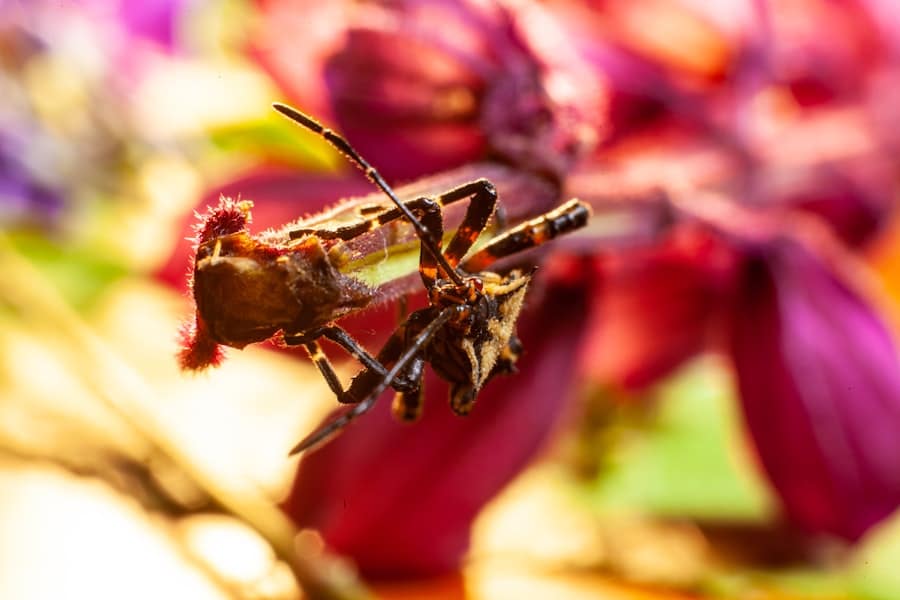
Pest control experts bring specialized knowledge to crime scene investigations that can be pivotal in solving cases. When you collaborate with entomologists or pest control professionals, you gain access to insights that go beyond basic pest management. These experts understand insect behavior and life cycles in ways that can inform your investigative strategies and enhance your overall approach.
Their expertise is particularly valuable when it comes to interpreting the data collected from pest activity at a crime scene. For example, they can help you determine whether certain insect populations are typical for the environment or if their presence indicates something more sinister. By working closely with these specialists, you can ensure that your investigation is thorough and well-informed.
Preventing Pests from Contaminating Crime Scenes
Preventing pests from contaminating crime scenes is an essential aspect of maintaining evidence integrity. As an investigator, you must be proactive in implementing measures that deter pests from entering the scene. This might involve securing the area with barriers or using traps strategically placed around the perimeter to monitor insect activity.
Additionally, proper scene management is crucial in minimizing attractants that could draw pests in. For instance, ensuring that food waste or organic materials are removed promptly can help reduce the likelihood of insect infestations. By taking these preventive steps, you not only protect the evidence but also create a more controlled environment for your investigation.
The Importance of Proper Pest Control in Forensic Investigations
Proper pest control is vital in forensic investigations for several reasons. First and foremost, it helps preserve evidence that could be critical for solving a case. When pests are allowed to proliferate unchecked, they can destroy or obscure vital clues that may lead to breakthroughs in an investigation.
As you navigate through crime scenes, understanding this importance will guide your actions and decisions. Moreover, effective pest control contributes to maintaining public safety and health standards during investigations. Insects can carry diseases or pose other health risks if left unchecked in certain environments.
By ensuring that pest control measures are implemented correctly, you not only protect the integrity of your investigation but also safeguard those involved in the process.
Training and Certification for Pest Control CSI Specialists
As Pest Control CSI continues to evolve as a field, training and certification programs are becoming increasingly important for specialists entering this niche area of forensic science. You may find that these programs cover a range of topics including entomology, pest management techniques, and legal considerations related to evidence handling. By pursuing formal education in this area, you equip yourself with the knowledge necessary to excel in your role.
Certification programs often include hands-on training opportunities where you can apply theoretical knowledge in real-world scenarios. This practical experience is invaluable as it prepares you for the complexities you will encounter during actual investigations. As you consider your career path in this field, investing time in training and certification will enhance your credibility and effectiveness as a Pest Control CSI specialist.
Collaborating with Law Enforcement and Forensic Teams
Collaboration between pest control experts and law enforcement is essential for successful crime scene investigations. When you work alongside police officers and forensic teams, you create a multidisciplinary approach that enhances problem-solving capabilities. Each party brings unique skills and perspectives to the table, allowing for more comprehensive investigations.
Effective communication is key when collaborating with law enforcement agencies. You must be able to convey your findings clearly and concisely so that they can be integrated into broader investigative strategies. By fostering strong relationships with law enforcement personnel, you contribute to a more cohesive investigative process that ultimately leads to better outcomes.
Future Developments in Pest Control CSI Technology
As technology continues to advance, so too does the potential for innovation within Pest Control CSI. You may find that emerging technologies such as drones equipped with thermal imaging or advanced sensors could revolutionize how pest activity is monitored at crime scenes. These tools could provide real-time data on insect populations and behaviors without disturbing the scene itself.
Additionally, advancements in genetic analysis may allow for more precise identification of insect species present at a crime scene. This could lead to improved timelines regarding decomposition rates and other critical factors influencing investigations. As you look toward the future of Pest Control CSI, staying informed about these developments will be essential for maintaining effectiveness in your role as an investigator.
In conclusion, Pest Control CSI represents an essential yet often underappreciated aspect of crime scene investigations. By understanding how pests interact with evidence and employing effective management techniques, you can significantly enhance your investigative capabilities. As this field continues to evolve through training, collaboration with law enforcement, and technological advancements, its importance will only grow in significance within forensic science.
If you enjoyed reading about the fascinating world of pest control in solving crimes, you may also be interested in learning about the best pest control services in various cities. Check out net/best-pest-control-service-springfield-missouri/’>their exceptional service in Springfield, Missouri, and their top-notch service in Los Angeles, California. These articles will provide valuable information on how to keep your home or business pest-free.
FAQs
What is pest control CSI?
Pest control CSI refers to the use of forensic techniques to investigate and solve crimes committed by pests, such as insects and rodents. This approach involves identifying the type of pest, determining the extent of the infestation, and implementing strategies to eliminate the problem.
What are some common pests involved in pest control CSI?
Common pests involved in pest control CSI include rodents (such as rats and mice), insects (such as cockroaches, ants, and termites), and other nuisance wildlife (such as raccoons and squirrels).
How do forensic techniques help in pest control CSI?
Forensic techniques, such as DNA analysis, footprint analysis, and pest behavior analysis, can help in identifying the type of pest, determining the source of the infestation, and developing effective pest control strategies.
What are the challenges in pest control CSI?
Challenges in pest control CSI include the ability to accurately identify the type of pest, determining the extent of the infestation, and implementing pest control measures that are effective and environmentally friendly.
What are some strategies for pest control CSI?
Strategies for pest control CSI include integrated pest management (IPM) techniques, which focus on prevention, monitoring, and control of pests using a combination of biological, cultural, and chemical methods. Other strategies include the use of traps, baits, and exclusion techniques to eliminate pests.