
As the sun sets and darkness envelops the world, a hidden realm awakens—one that is teeming with life, yet often overlooked. This is the world of nighttime pests, a fascinating and complex ecosystem that operates under the cover of night. You may not realize it, but while you are settling down for the evening, a myriad of insects and other pests are busy going about their activities.
Understanding this nocturnal behavior is crucial for effective pest management and can help you protect your home and health. Pest Noir, as we might call it, invites you to delve into the mysteries of these nighttime creatures. From the rustling of leaves to the faint buzz of wings, the sounds of the night are often accompanied by the activities of various pests.
By unraveling these mysteries, you can gain insights into their behaviors, habitats, and interactions with the environment. This knowledge not only enhances your understanding of nature but also equips you with the tools to manage pest-related issues effectively.
Key Takeaways
- Nighttime pest activities can have a significant impact on human health and property.
- Understanding the behavior of nocturnal pests is crucial for effective pest management.
- Light plays a key role in influencing nighttime pest activities.
- Monitoring and controlling nighttime pest activities requires strategic approaches.
- The evolutionary adaptations of pests for nighttime activities have implications for pest management and future research.
The Nocturnal World of Pests: Understanding their Behavior
The nocturnal world of pests is a realm defined by adaptation and survival. Many insects have evolved to thrive in the dark, taking advantage of reduced competition and predation. As you explore this world, you will discover that these creatures exhibit unique behaviors that are finely tuned to their nighttime environment.
For instance, some pests are attracted to specific scents or sounds that guide them in their search for food or mates. Understanding these behaviors can help you anticipate their movements and take proactive measures. Moreover, nocturnal pests often have specialized sensory adaptations that allow them to navigate in low-light conditions.
Their compound eyes are designed to capture as much light as possible, enabling them to see in near darkness. This heightened sensitivity not only aids in locating food sources but also plays a crucial role in avoiding predators. By observing these behaviors, you can appreciate the intricate balance of life that exists in your backyard or garden during the night.
The Role of Light in Nighttime Pest Activities
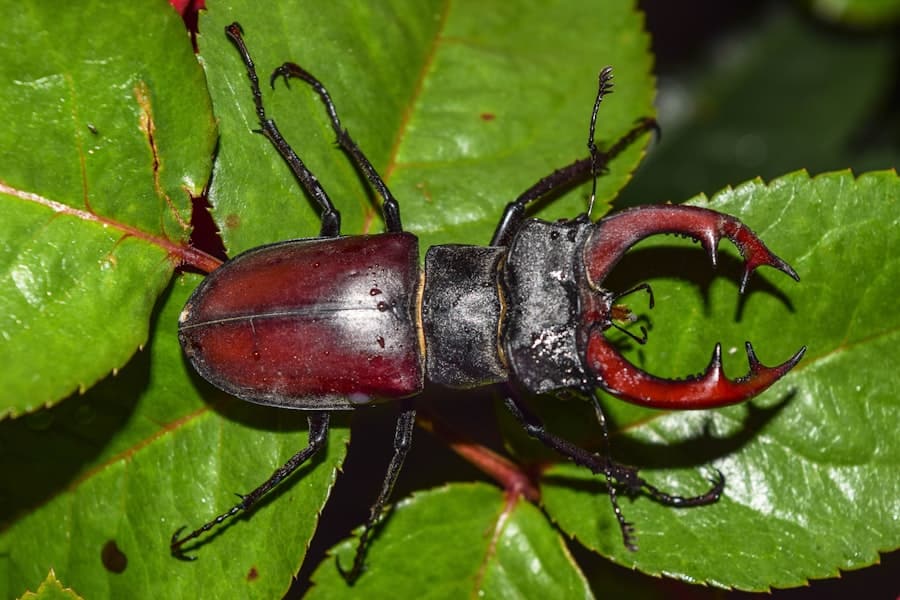
Light plays a pivotal role in shaping the activities of nighttime pests. While many insects are drawn to artificial lights, others are repelled by them. This attraction or aversion can significantly influence their behavior and distribution.
For instance, moths are famously known for their attraction to light sources, often leading them into homes and other structures. Understanding this relationship can help you devise strategies to minimize unwanted pest encounters. In contrast, some nocturnal pests thrive in complete darkness.
These creatures have adapted to avoid light altogether, using it as a cue for safety. By recognizing how different pests respond to light, you can create an environment that discourages their presence. For example, using yellow or sodium vapor lights instead of traditional white bulbs can reduce moth activity around your home, making it less inviting for these nighttime visitors.
Common Nighttime Pests and their Activities
As you venture into the world of nighttime pests, you’ll encounter a variety of species that exhibit distinct behaviors and activities. Common culprits include mosquitoes, cockroaches, and various beetles. Mosquitoes are notorious for their blood-feeding habits, primarily targeting humans and animals during dusk and dawn when they are most active.
Their presence can lead to discomfort and health risks, making it essential to understand their patterns. Cockroaches, on the other hand, are primarily scavengers that thrive in dark, damp environments. They are most active at night when they venture out in search of food and water.
Their ability to reproduce rapidly poses a significant challenge for homeowners, as a small infestation can quickly escalate into a larger problem. By familiarizing yourself with these common nighttime pests and their activities, you can take steps to mitigate their impact on your living space.
Impact of Nighttime Pest Activities on Human Health and Property
The activities of nighttime pests can have far-reaching consequences for both human health and property. For instance, mosquitoes are vectors for various diseases such as West Nile virus and Zika virus, posing serious health risks to individuals exposed to their bites. Understanding the potential dangers associated with these pests is crucial for safeguarding your well-being and that of your family.
In addition to health concerns, nighttime pests can also cause significant damage to property. Termites, for example, are notorious for their destructive feeding habits, often going unnoticed until extensive damage has occurred. Their activities can compromise the structural integrity of homes and buildings, leading to costly repairs.
By recognizing the impact of nighttime pest activities on both health and property, you can prioritize prevention and control measures to protect your living environment.
Strategies for Monitoring and Controlling Nighttime Pest Activities

Effective Management of Nocturnal Pests
Implementing monitoring and control strategies is crucial to effectively manage nighttime pest activities. One effective approach is setting up traps specifically designed for nocturnal pests. These traps can help gauge pest populations and determine which species are present in your area.
### Monitoring Pest Activity
By regularly checking these traps, you can stay informed about pest activity levels and take appropriate action when necessary. In addition to trapping, employing preventive measures can significantly reduce the likelihood of pest infestations.
### Preventive Measures
Sealing entry points around your home, such as cracks in walls or gaps around windows and doors, can help keep nocturnal pests at bay. Furthermore, maintaining a clean environment by removing food sources and clutter will discourage pests from making your home their habitat.
### Comprehensive Strategy
By combining monitoring techniques with preventive measures, you can create a comprehensive strategy for managing nighttime pest activities effectively.
The Influence of Temperature and Humidity on Nighttime Pest Behavior
Temperature and humidity are critical factors that influence the behavior of nighttime pests. Many species thrive in warm and humid conditions, which can enhance their activity levels during the night. As temperatures rise during summer months, you may notice an increase in mosquito populations as they become more active in search of blood meals.
Understanding these environmental factors allows you to anticipate pest behavior and take proactive measures. Humidity also plays a significant role in pest dynamics. High humidity levels create ideal conditions for certain pests like cockroaches and termites, which prefer moist environments for breeding and feeding.
Conversely, dry conditions may deter some species while encouraging others to seek shelter indoors. By monitoring temperature and humidity levels in your area, you can better understand how these factors influence nighttime pest behavior and adjust your pest management strategies accordingly.
The Connection Between Nighttime Pest Activities and Seasonal Patterns
Nighttime pest activities are closely linked to seasonal patterns that dictate their life cycles and behaviors. As seasons change, so do the types of pests you may encounter during the night. For instance, spring often brings an influx of mosquitoes emerging from hibernation or breeding sites as temperatures rise.
In contrast, fall may see an increase in rodents seeking shelter indoors as they prepare for winter. Understanding these seasonal patterns allows you to anticipate pest activity fluctuations throughout the year. By being proactive during peak seasons—such as implementing preventive measures before mosquito season or sealing entry points before winter—you can minimize potential infestations and protect your home from unwanted guests.
The Role of Predators and Prey in Nighttime Pest Dynamics
The dynamics between predators and prey play a crucial role in shaping nighttime pest populations. Many nocturnal predators—such as bats, owls, and certain insects—actively hunt pests during the night, helping to maintain ecological balance. As you observe these interactions in your environment, you’ll gain a deeper appreciation for the interconnectedness of species within this nocturnal ecosystem.
However, human activities can disrupt these natural predator-prey relationships. For example, habitat destruction or pesticide use may reduce predator populations while allowing prey species like mosquitoes or cockroaches to thrive unchecked. By fostering a healthy ecosystem that supports both predators and prey, you can contribute to natural pest control methods while minimizing reliance on chemical interventions.
The Evolutionary Adaptations of Pests for Nighttime Activities
The evolutionary adaptations of pests for nighttime activities are remarkable examples of nature’s ingenuity. Many nocturnal insects have developed specialized features that enhance their survival in low-light conditions. For instance, some moths possess scales on their wings that allow them to reflect moonlight effectively while remaining camouflaged against predators.
Additionally, certain species have evolved unique behaviors such as synchronized mating flights or pheromone communication that facilitate reproduction during the night when competition is lower. By studying these adaptations closely, you can gain insights into how pests have thrived over time despite challenges posed by predators and environmental changes.
Implications for Pest Management and Future Research
In conclusion, understanding nighttime pest activities is essential for effective pest management strategies that prioritize both human health and ecological balance. By unraveling the mysteries of this hidden world—ranging from behavioral patterns influenced by light to seasonal fluctuations—you equip yourself with valuable knowledge that can inform your approach to pest control. As research continues into the complexities of nocturnal pest dynamics—such as predator-prey relationships or evolutionary adaptations—new insights will emerge that could revolutionize our understanding of these creatures’ roles within ecosystems.
By staying informed about ongoing research efforts and implementing proactive management strategies based on current knowledge, you can contribute positively toward creating healthier living environments while respecting nature’s intricate web of life.
If you’re interested in learning more about sustainable pest management strategies, check out the article Beyond Extermination: Long-Term Strategies for Sustainable Pest Management. This article delves into ways to effectively manage pests in a sustainable manner, offering insights and tips for long-term pest control solutions. It’s a great companion piece to Pest Noir: Unraveling the Mystery of Nighttime Bug Activities, providing a comprehensive look at pest control practices.
FAQs
What are nighttime bug activities?
Nighttime bug activities refer to the behaviors and movements of various insects and pests during the nighttime hours. This can include foraging for food, mating, and seeking shelter.
Why is it important to understand nighttime bug activities?
Understanding nighttime bug activities is important for pest control and management. By knowing when and where pests are most active, it becomes easier to develop effective strategies for prevention and eradication.
What are some common nighttime bug activities?
Common nighttime bug activities include feeding on plants, scavenging for food, mating, and seeking shelter in dark, secluded areas.
How can one observe nighttime bug activities?
Observing nighttime bug activities can be challenging due to the darkness. However, using specialized equipment such as night vision cameras or insect traps with attractants can help in observing and studying nighttime bug activities.
What are some examples of pests that are active at night?
Some examples of pests that are active at night include cockroaches, bed bugs, mosquitoes, and certain species of ants and beetles.
How can understanding nighttime bug activities help in pest control?
Understanding nighttime bug activities can help in pest control by allowing for targeted treatments and interventions during the times when pests are most active. This can lead to more effective and efficient pest management.