
Beyond Extermination: Long-Term Strategies For Sustainable Pest Management
What if you could change the way you think about pest management? Instead of primarily focusing on extermination, imagine adopting a more sustainable and long-term approach to handling pests. This shift not only benefits your home but can also contribute to a healthier environment. Let’s embark on this journey of understanding sustainable pest management strategies together.
Understanding Pest Management
Pest management is more than just dealing with bugs when they threaten your home or garden. It encompasses a range of practices aimed at minimizing pest issues sustainably. By recognizing the bigger picture, you can implement strategies that protect your space and promote ecological balance.
The Importance of Sustainable Practices
Sustainable practices in pest management are essential for several reasons. They help preserve the ecosystem, reduce reliance on harmful chemicals, and often lead to long-term cost savings. By shifting your focus to sustainability, you’re not just addressing an immediate concern; you’re investing in a healthier future for your home and the planet.
Integrated Pest Management (IPM)
One of the foundational concepts of sustainable pest management is Integrated Pest Management (IPM). This approach combines various strategies and techniques to control pests in the most environmentally friendly manner.
What is IPM?
IPM is a comprehensive approach that considers the life cycle of pests and the environment. It integrates biological, physical, cultural, and chemical tools to manage pest populations effectively and sustainably. Instead of solely relying on pesticides, IPM emphasizes prevention, monitoring, and control methods that cause minimal harm to beneficial organisms.
Key Components of IPM
Here are the key components that make up an effective IPM strategy:
| Component | Description |
|---|---|
| Prevention | We are implementing measures to keep pests from becoming a problem. |
| Monitoring | Regularly check for pest presence and assess their impact. |
| Identification | Accurately identifying pests to understand their behavior and lifecycle. |
| Control | Choosing the most effective, least harmful control methods. |
Each component plays a crucial role in ensuring that your pest management strategy is effective and sustainable.
Prevention: The First Line of Defense
Prevention is the cornerstone of any sustainable pest management strategy. Addressing issues before they arise can save you time, money, and stress. Here’s how to stay ahead of potential pest issues.
Cultural Controls
Cultural controls focus on modifying one’s habits and environment to discourage pests. This could involve changing the way one gardens, stores food, or maintains one’s home.
- Crop Rotation: If you’re growing vegetables or plants, rotating crops can disrupt pest life cycles and reduce their population.
- Sanitation: Keeping your home and garden clean can minimize pest attraction. Dispose of waste regularly, clean up spills, and manage clutter.
- Plant Selection: Choosing native or pest-resistant plants can help reduce the likelihood of infestations.
Physical Barriers
Physical barriers are significant for preventing pests from accessing your space. Simple modifications can create significant impacts.
- Screens and Netting: Use screens on doors and windows to keep insects out while allowing fresh air in.
- Mulching: Mulching conserves soil moisture and can deter pests by creating a barrier.
- Traps: Traps can help monitor and catch pests before they become bigger.
Monitoring: Stay Alert
Keeping an eye on your environment is critical to managing pests sustainably. Early detection can make a significant difference.
Regular Inspections
Regular inspections of your home and surroundings can help catch potential infestations before they grow. Look for signs of pests, such as droppings, damage, or nests.
Utilizing Technology
Technology can be a great ally in monitoring pest issues. Some apps and devices can track pest activity and offer helpful insights.
| Technology | Benefit |
|---|---|
| Mobile Apps | Help track pest sightings and collect data. |
| Sensors | Detect changes in humidity or temperature that attract pests. |
| Drone Surveillance | Could you monitor extensive gardens or farms for signs of pests from above? |
By staying vigilant and utilizing technology, you can effectively monitor pest activities in your area.

Identification: Know Your Enemy
Identifying the specific pests you’re dealing with is essential for effective management. Understanding their behavior and biology allows you to make informed decisions on control methods.
Common Household Pests
Here are some common household pests you might encounter:
| Pest | Description | Control Methods |
|---|---|---|
| Ants | Social insects that form colonies are often found foraging. | Bait traps, diatomaceous earth, sanitation. |
| Cockroaches | Night-active insects that thrive in warm and moist environments. | Sanitation, traps, and sealing entry points. |
| Termites | Wood-eating insects that can cause significant structural damage. | Professional inspections, bait systems, and moisture control. |
Each pest requires a tailored approach to management. You can choose the most appropriate control techniques by correctly identifying the pests.
Control: Effective Solutions
Regarding pest control, the goal is to minimize the use of chemical pesticides while still effectively managing the pest population. You want to strike a balance that keeps your home and the surrounding environment safe.
Biological Control Methods
Biological control relies on using natural enemies of pests to help keep their populations under control. This can be a highly effective and ecologically friendly approach.
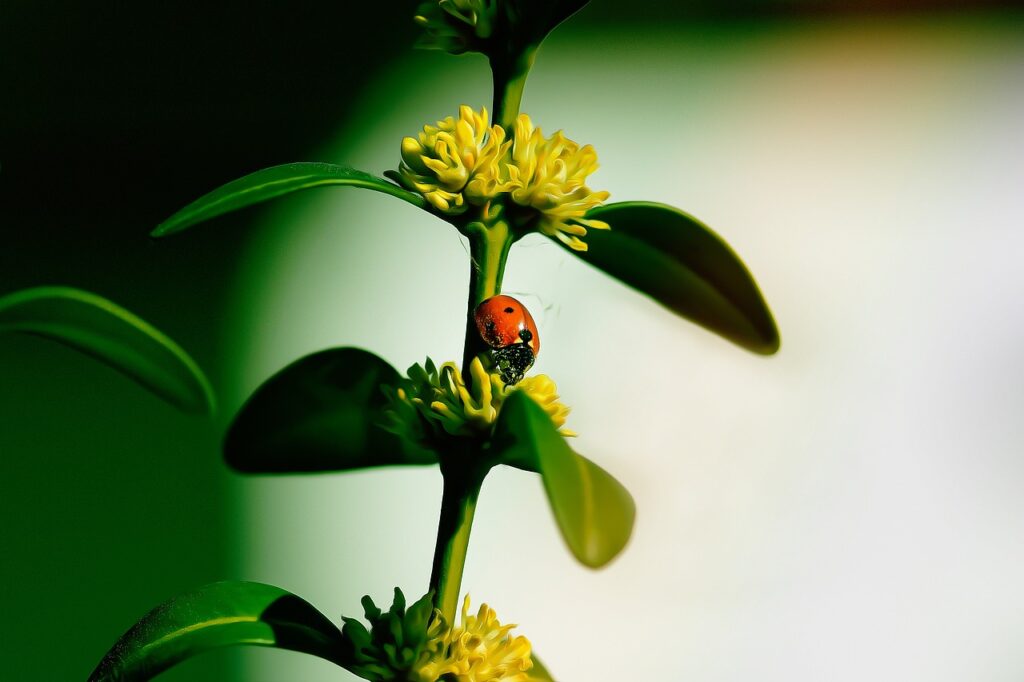
- Beneficial Insects: Introducing predators like ladybugs or lacewings can help control pest populations naturally.
- Microbial Insecticides: Some naturally occurring bacteria and fungi can target specific pests without harming beneficial insects.
Chemical Control: A Last Resort
While minimizing chemical use is essential, there may be situations where chemical control becomes necessary. If you’ve exhausted all other options, consider the following:
- Selectivity: Choose pesticides that are targeted for specific pests and have minimal impact on the environment.
- Application Timing: Apply treatments when pests are most vulnerable, often during their life cycle’s most active phase.
It’s essential to read labels carefully and follow instructions to minimize adverse effects.
Eco-Friendly Pest Control Products
As you aim for a sustainable approach, consider using eco-friendly pest control products. These options tend to be less harmful to beneficial insects and the environment.
Common Natural Remedies
| Natural Remedy | Use |
|---|---|
| Neem Oil | Acts as a repellent and disrupts pest life cycles. |
| Diatomaceous Earth | Destroys the outer shell of insects, leading to dehydration. |
| Essential Oils | Some oils can repel pests, such as peppermint oil for ants. |
Buying Green Products
When purchasing pest control products, look for labels stating they are organic, biodegradable, or derived from natural sources. You want products that align with your sustainable goals.
Community Involvement
Sustainable pest management extends beyond your home environment. By engaging with your community, you can collectively promote healthier practices.
Share Your Knowledge
Please feel free to share your pest management experiences with neighbors. Whether organizing a community workshop on sustainable practices or simply chatting over the fence, sharing information can foster a culture of sustainability.
Support Local Initiatives
Get involved with local farming or gardening groups that advocate sustainable practices. Many communities have resources or events for better pest management and environmental stewardship.

As you think about pest management, remember that it doesn’t have to be an ongoing battle against extermination. By adopting sustainable practices, you can create a welcoming environment for yourself and the natural world.
Focusing on prevention, vigilant monitoring, proper identification, and effective control methods will equip you to handle pest issues sustainably. Remember, every small step counts in making a difference. As you embark on this journey, you contribute to your home’s health and a more balanced ecosystem. Let’s embrace these sustainable pest management strategies for a better tomorrow!
==========
Content 10/10/G