
To effectively manage mosquito populations, it is essential to understand their behavior and biology. Mosquitoes are not just pesky insects; they are complex creatures with specific life cycles and habits. You may be surprised to learn that there are over 3,500 species of mosquitoes worldwide, each with unique characteristics.
The life cycle of a mosquito consists of four stages: egg, larva, pupa, and adult. The female mosquito lays her eggs in stagnant water, which is crucial for the survival of the larvae. Understanding this cycle can help you identify when and where to take action against these pests.
Mosquitoes are primarily active during dawn and dusk, although some species may bite during the day. They are attracted to carbon dioxide, body heat, and certain scents, which is why you may find yourself swarmed when you’re outdoors. Female mosquitoes require blood to develop their eggs, making them the primary culprits behind bites.
Males, on the other hand, feed on nectar and do not bite humans or animals. By recognizing these behaviors, you can better prepare yourself for outdoor activities and take preventive measures to minimize your exposure.
Key Takeaways
- Mosquitoes are most active during dawn and dusk, so take extra precautions during these times.
- Common mosquito breeding sites include stagnant water in flower pots, bird baths, and clogged gutters.
- To prevent mosquito bites, wear long sleeves and pants, use mosquito repellent, and install screens on windows and doors.
- Natural mosquito repellents like citronella, lavender, and eucalyptus oils can help deter mosquitoes.
- Chemical mosquito control methods, such as insecticides and larvicides, should be used with caution and according to label instructions.
Identifying Common Mosquito Breeding Sites
Identifying common breeding sites is crucial in your fight against mosquitoes. These insects thrive in stagnant water, where they lay their eggs. You might be surprised to discover that even small amounts of water can serve as breeding grounds.
Puddles, bird baths, clogged gutters, and even plant saucers can become nurseries for mosquito larvae. By regularly inspecting your surroundings for these potential breeding sites, you can significantly reduce the mosquito population in your area. In addition to natural water sources like ponds and marshes, artificial containers are often overlooked breeding sites.
Items such as discarded tires, buckets, and flower pots can collect rainwater and provide ideal conditions for mosquitoes to reproduce. It’s essential to be vigilant in your efforts to eliminate standing water around your home. By emptying or covering containers that hold water, you can disrupt the mosquito life cycle and prevent them from multiplying in your vicinity.
Preventing Mosquito Bites

Preventing mosquito bites is a key aspect of enjoying outdoor activities without the annoyance of these pests. One of the simplest yet most effective methods is to wear protective clothing. Long sleeves, long pants, and socks can create a barrier between your skin and hungry mosquitoes.
Opting for light-colored clothing can also help, as mosquitoes are attracted to darker colors. When planning outdoor events, consider timing your activities to avoid peak mosquito hours, typically early morning and late evening. In addition to clothing choices, using insect repellent is a vital strategy in your defense against bites.
Look for repellents that contain DEET, picaridin, or oil of lemon eucalyptus for maximum effectiveness. Applying repellent to exposed skin and clothing can significantly reduce your chances of being bitten. Remember to reapply as directed, especially if you’re sweating or spending extended periods outdoors.
By combining these strategies, you can create a formidable barrier against mosquito bites.
Using Natural Mosquito Repellents
If you prefer a more natural approach to repelling mosquitoes, there are several options available that can be just as effective as chemical repellents. Essential oils such as citronella, lavender, eucalyptus, and tea tree oil have been shown to deter mosquitoes due to their strong scents. You can create your own natural repellent by mixing these oils with a carrier oil like coconut or jojoba oil and applying it to your skin.
This not only provides protection but also leaves you smelling pleasant. Another natural method involves planting mosquito-repelling plants around your home or garden. Marigolds, basil, and catnip are known for their ability to repel mosquitoes due to their aromatic properties.
By incorporating these plants into your landscaping, you can create a more inviting outdoor space while simultaneously reducing the likelihood of mosquito encounters. Additionally, using citronella candles or torches during outdoor gatherings can help keep these pests at bay while adding ambiance to your environment.
Implementing Chemical Mosquito Control Methods
When natural methods fall short, implementing chemical mosquito control methods may be necessary for more significant infestations. There are various options available that can effectively reduce mosquito populations in your area. One common approach is the use of insecticides that target adult mosquitoes.
These products can be applied through fogging or spraying in areas where mosquitoes are prevalent. It’s essential to follow the manufacturer’s instructions carefully to ensure safety and effectiveness. Another chemical control method involves treating standing water with larvicides that target mosquito larvae before they mature into biting adults.
These products disrupt the life cycle of mosquitoes by preventing larvae from developing into adults. When using chemical treatments, it’s crucial to consider the environmental impact and choose products that are safe for pets and wildlife. By combining chemical control methods with preventive measures, you can create a comprehensive strategy for managing mosquito populations effectively.
Maintaining a Mosquito-Free Environment
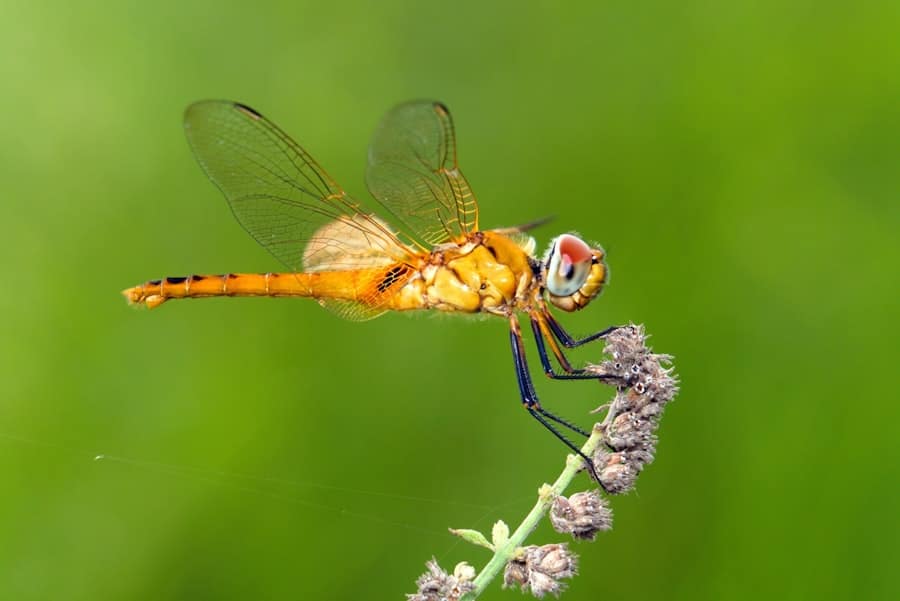
Maintaining a mosquito-free environment requires ongoing vigilance and proactive measures. Regularly inspecting your property for potential breeding sites is essential in preventing infestations. Make it a habit to check areas where water may accumulate after rainfall or irrigation.
By promptly addressing these issues—such as cleaning gutters or emptying containers—you can significantly reduce the chances of mosquitoes establishing a presence in your yard. In addition to eliminating standing water, consider creating barriers that deter mosquitoes from entering your living space. Installing screens on windows and doors can provide an effective line of defense against these pests while allowing fresh air into your home.
You might also want to invest in outdoor fans or misting systems that create airflow and make it more difficult for mosquitoes to fly around you while you enjoy your outdoor space.
Understanding the Risks of Mosquito-Borne Diseases
Understanding the risks associated with mosquito-borne diseases is crucial for protecting yourself and your loved ones. Mosquitoes are known vectors for several serious illnesses, including West Nile virus, Zika virus, dengue fever, and malaria. These diseases can have severe health implications and may require medical attention if contracted.
Being aware of the symptoms associated with these illnesses can help you seek prompt treatment if necessary. To further protect yourself from these risks, staying informed about local outbreaks is essential. Public health agencies often provide updates on mosquito-borne diseases in your area, allowing you to take appropriate precautions during peak seasons or after reported cases.
By understanding the potential dangers posed by mosquitoes and taking proactive measures to prevent bites, you can significantly reduce your risk of contracting these diseases.
Seeking Professional Mosquito Control Assistance
If you find yourself overwhelmed by mosquito populations despite your best efforts, seeking professional mosquito control assistance may be the best course of action. Pest control companies specialize in identifying problem areas and implementing effective strategies tailored to your specific needs. They have access to advanced tools and techniques that can significantly reduce mosquito populations in both residential and commercial settings.
When considering professional assistance, it’s essential to choose a reputable company with experience in mosquito control. They should be able to provide information about their methods and products while ensuring safety for both humans and pets. By enlisting professional help, you can enjoy peace of mind knowing that experts are working diligently to create a mosquito-free environment for you and your family.
In conclusion, understanding mosquito behavior and biology is fundamental in combating these pests effectively. By identifying breeding sites, preventing bites through protective measures, utilizing natural or chemical repellents, maintaining a clean environment, understanding disease risks, and seeking professional help when necessary, you can significantly reduce the impact of mosquitoes on your life. Taking proactive steps will not only enhance your outdoor experiences but also safeguard your health against potential threats posed by these insects.
If you’re looking for more information on pest control services, check out this article on the best pest control service in Henderson, Nevada. This article provides valuable insights on how to effectively manage and eliminate pests in your home or business. It’s important to stay informed and educated on the best practices for pest control to ensure a safe and healthy environment for you and your loved ones.
FAQs
What are mosquitoes?
Mosquitoes are small flying insects known for their itchy bites. They are found in various environments around the world and are known to transmit diseases such as malaria, dengue fever, and Zika virus.
Why are mosquitoes considered a nuisance?
Mosquitoes are considered a nuisance because of their itchy bites, which can cause discomfort and irritation. Additionally, they are known to transmit diseases, making them a public health concern.
How can I control mosquitoes in my environment?
There are several methods for controlling mosquitoes in your environment, including removing standing water where mosquitoes breed, using mosquito repellents, installing screens on windows and doors, and using mosquito control products such as insecticides and larvicides.
What are some natural ways to repel mosquitoes?
Natural ways to repel mosquitoes include using essential oils such as citronella, lavender, and eucalyptus, planting mosquito-repelling plants such as citronella and marigolds, and using mosquito nets and fans to create airflow.
What are some common mosquito breeding grounds?
Common mosquito breeding grounds include stagnant water in birdbaths, flower pots, clogged gutters, and other containers that collect water. Mosquitoes lay their eggs in standing water, so eliminating these breeding grounds can help control mosquito populations.
Are there any risks associated with mosquito control products?
Some mosquito control products, such as insecticides and larvicides, may pose risks to human health and the environment if not used properly. It is important to follow the instructions on the product label and take precautions when using these products.