
As you navigate the complexities of agriculture and ecosystem management, understanding the relationship between climate and insect pests becomes increasingly vital. Climate, encompassing temperature, precipitation, and humidity, plays a significant role in shaping the life cycles and behaviors of insect pests. These pests can have devastating effects on crops, livestock, and even human health, making it essential for you to grasp how climate influences their prevalence and activity.
By recognizing these connections, you can better prepare for and mitigate the challenges posed by insect pests in your environment. Insect pests are not merely nuisances; they are integral components of ecosystems that can disrupt food production and biodiversity. As you delve deeper into this topic, you will discover that fluctuations in climate can lead to shifts in pest populations, altering the dynamics of pest management.
Understanding these relationships is crucial for developing effective strategies to combat pest infestations and protect agricultural yields. The interplay between climate and insect pests is a complex web that requires careful consideration and proactive measures.
Key Takeaways
- Climate plays a significant role in the prevalence and activity of insect pests.
- Temperature can directly impact the development, reproduction, and survival of insect pests.
- Precipitation can affect insect pest populations by influencing their food sources and breeding habitats.
- Humidity levels can impact insect pest prevalence by affecting their ability to survive and reproduce.
- Understanding seasonal patterns and regional variations in climate is crucial for predicting and managing insect pest activity.
Impact of Temperature on Insect Pests
Temperature is one of the most critical factors influencing insect pest populations. As you observe changes in temperature patterns, you may notice that warmer conditions can accelerate the development and reproduction rates of many insect species. For instance, higher temperatures can shorten the life cycle of pests, allowing them to reproduce more frequently and in greater numbers.
This phenomenon can lead to increased pest pressure on crops, making it essential for you to monitor temperature trends closely. Moreover, temperature extremes can also affect pest survival rates. While some insects thrive in warmer climates, others may struggle to survive during heatwaves or cold snaps.
As you consider the implications of temperature on pest populations, it becomes clear that understanding these dynamics is crucial for effective pest management. By adapting your strategies to account for temperature fluctuations, you can better anticipate pest outbreaks and implement timely interventions.
Influence of Precipitation on Insect Pests
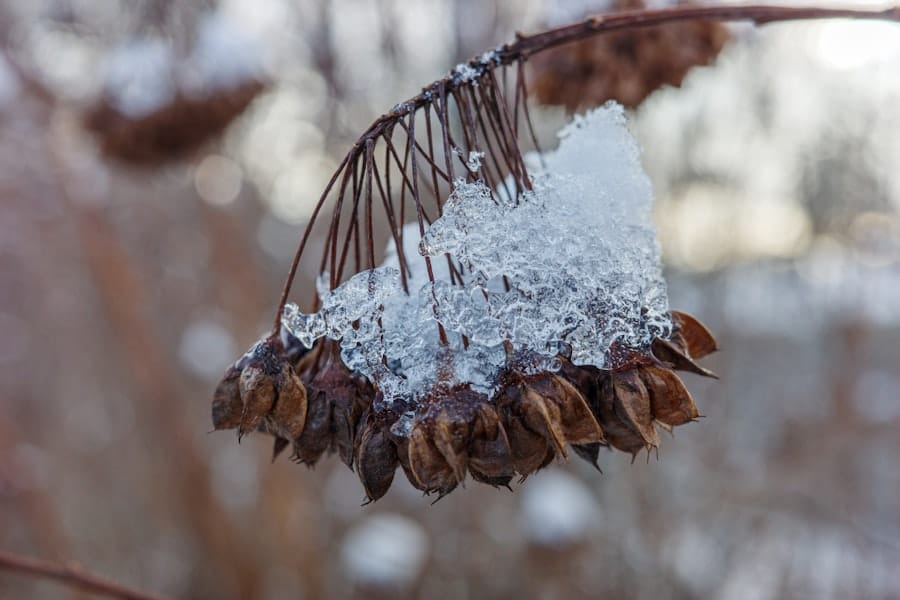
Precipitation patterns significantly influence insect pest populations, as they affect both the availability of water and the overall health of ecosystems. When rainfall is abundant, it can create favorable conditions for certain pests to thrive. For example, increased moisture levels can lead to higher populations of aphids and other sap-sucking insects that flourish in humid environments.
As you assess the impact of precipitation on pest dynamics, it is essential to recognize that both excessive rainfall and drought can have profound effects on pest populations. Conversely, periods of drought can stress plants and make them more susceptible to pest infestations. When plants are weakened due to lack of water, they may produce fewer natural defenses against pests, allowing infestations to escalate rapidly.
As you navigate these challenges, it is crucial to develop a comprehensive understanding of how precipitation influences not only pest populations but also the overall health of your crops and ecosystems.
Role of Humidity in Insect Pest Prevalence
Humidity is another critical factor that affects insect pest prevalence. High humidity levels can create an ideal environment for many pests, particularly those that thrive in moist conditions. For instance, fungi and bacteria that attract certain insects often flourish in humid environments, leading to increased pest activity.
As you consider the role of humidity in pest dynamics, it becomes clear that monitoring humidity levels is essential for predicting potential outbreaks. On the other hand, low humidity can also impact pest populations by affecting their survival rates and reproductive success. Many insects require specific humidity levels to thrive; when conditions become too dry, their populations may decline.
Understanding these nuances allows you to tailor your pest management strategies effectively. By considering humidity alongside other climatic factors, you can develop a more holistic approach to managing insect pests in your area.
Seasonal Patterns and Insect Pest Activity
Seasonal patterns play a significant role in determining when insect pests are most active. As you observe the changing seasons, you may notice that certain pests emerge during specific times of the year, often coinciding with favorable climatic conditions. For example, warmer spring temperatures can trigger the emergence of various pests from their overwintering sites, leading to increased activity as they seek food sources and mates.
Recognizing these seasonal patterns is crucial for anticipating pest outbreaks and implementing timely control measures. Additionally, seasonal variations can influence the timing of crop planting and harvesting. As you plan your agricultural activities, it is essential to consider how seasonal changes may impact pest populations.
By aligning your planting schedules with seasonal patterns, you can minimize the risk of pest infestations and optimize crop yields. Understanding these dynamics allows you to make informed decisions that enhance your overall pest management strategy.
Regional Variations in Insect Pest Prevalence
Insect pest prevalence varies significantly across different regions due to variations in climate, geography, and ecosystem types. As you explore these regional differences, you will find that certain pests are more prevalent in specific areas due to their adaptability to local conditions. For instance, tropical regions may experience higher populations of pests like mosquitoes and fruit flies due to warm temperatures and abundant moisture.
Conversely, arid regions may see different pest dynamics influenced by limited water availability. Understanding these regional variations is crucial for developing targeted pest management strategies. By recognizing which pests are likely to thrive in your area based on local climate conditions, you can tailor your approaches accordingly.
This localized understanding allows you to implement more effective control measures that address the specific challenges posed by insect pests in your region.
Climate Change and Insect Pest Distribution
Climate change is reshaping the landscape of insect pest distribution in profound ways. As temperatures rise and weather patterns become more erratic, many pests are expanding their ranges into new areas where they were previously absent. This shift poses significant challenges for agriculture and public health as new pests introduce unfamiliar threats to crops and communities alike.
As you consider the implications of climate change on insect pest distribution, it becomes clear that proactive measures are necessary to mitigate these risks. Moreover, climate change can alter the timing of pest life cycles, leading to mismatches between pest populations and their natural enemies or host plants. This disruption can exacerbate infestations and complicate management efforts.
By staying informed about climate change trends and their potential impacts on insect pests, you can better prepare for emerging challenges and adapt your strategies accordingly.
Strategies for Managing Insect Pests in Different Climates
To effectively manage insect pests across varying climates, it is essential to adopt a multifaceted approach tailored to local conditions. Integrated Pest Management (IPM) is a widely recognized strategy that combines various techniques to minimize pest populations while reducing reliance on chemical pesticides. As you implement IPM practices, consider factors such as temperature, precipitation, humidity, and seasonal patterns to develop a comprehensive plan.
In warmer climates where pests thrive year-round, cultural practices such as crop rotation and intercropping can help disrupt pest life cycles and reduce infestations. In contrast, regions with distinct seasons may benefit from timing planting schedules to coincide with periods of lower pest activity. Additionally, utilizing biological control methods—such as introducing natural predators or parasitoids—can provide an effective means of managing pest populations without resorting to chemical interventions.
Ultimately, successful insect pest management requires a deep understanding of local climate conditions and their influence on pest dynamics. By staying informed about climate trends and adapting your strategies accordingly, you can enhance your resilience against insect pests while promoting sustainable agricultural practices. Embracing this knowledge empowers you to protect your crops and ecosystems from the ever-evolving challenges posed by insect pests in a changing climate.
Climate and seasons can greatly impact the prevalence of insect pests in different regions, as discussed in the article “Beyond Pesticides: Natural Remedies for a Pest-Free Home” here. Understanding how these factors influence pest populations is crucial for effective pest control strategies. For expert insights on creating a pest-resistant home, check out the “Pest Control Masterclass: Expert Insights for a Pest-Resistant Home” article. Additionally, if you’re in Stockton, California, and in need of the best pest control service, be sure to read the article “Best Pest Control Service in Stockton, California” here.
FAQs
What is the role of climate in the prevalence of insect pests?
Climate plays a significant role in the prevalence of insect pests as it directly affects their development, reproduction, and survival. Factors such as temperature, humidity, and precipitation can influence the abundance and distribution of insect pests in different regions.
How do seasons impact the prevalence of insect pests?
Seasons can impact the prevalence of insect pests by affecting their life cycles and behavior. For example, certain insect pests may emerge or become more active during specific seasons, while others may enter diapause or hibernation to survive unfavorable conditions.
Why do different regions have varying levels of insect pest prevalence?
Different regions have varying levels of insect pest prevalence due to differences in climate, vegetation, and agricultural practices. Insect pests may thrive in regions with suitable environmental conditions and available host plants, leading to higher prevalence in some areas compared to others.
How does climate change impact the prevalence of insect pests?
Climate change can impact the prevalence of insect pests by altering temperature patterns, precipitation levels, and the distribution of host plants. These changes can create new habitats for insect pests, expand their ranges, and potentially lead to increased prevalence in certain regions.
What are some strategies for managing insect pests in different regions?
Strategies for managing insect pests in different regions may include integrated pest management (IPM) practices, biological control methods, use of resistant crop varieties, and judicious use of pesticides. Understanding the relationship between climate, seasons, and insect pest prevalence is crucial for developing effective pest management strategies.