
To truly grasp the intricacies of spider behavior, you must first appreciate their role in the ecosystem. Spiders are not just creepy crawlers; they are essential predators that help control insect populations. By understanding their habits and preferences, you can better manage their presence in your home or garden.
Spiders are generally solitary creatures, preferring to hunt alone rather than in groups. They exhibit a range of behaviors, from web-building to active hunting, depending on the species and environmental conditions. This adaptability allows them to thrive in various habitats, making them a common sight in both urban and rural settings.
Moreover, spiders are primarily nocturnal, which means they are most active during the night. This behavior can lead to an increase in sightings as the sun sets and your home becomes quieter. They are attracted to areas with ample food sources, such as insects, and often seek shelter in dark, undisturbed spaces.
Understanding these patterns can help you anticipate where spiders might be lurking and take proactive measures to minimize their presence. By recognizing their habits, you can create an environment that is less inviting to these eight-legged creatures.
Key Takeaways
- Spiders are generally shy and non-aggressive, and they play a crucial role in controlling insect populations.
- Common spider species include the black widow, brown recluse, and wolf spider, each with distinct characteristics and behaviors.
- Regular home maintenance, such as sealing cracks and crevices, reducing clutter, and proper lighting, can help prevent spider infestations.
- Natural control methods like essential oils, vinegar, and diatomaceous earth can be effective in repelling and eliminating spiders.
- Chemical control options should be used as a last resort and with caution, as they can be harmful to humans and pets.
Identifying Common Spider Species
When it comes to managing spiders, identification is key. There are numerous species of spiders, each with its own unique characteristics and behaviors. Some of the most common household spiders include the common house spider, the wolf spider, and the black widow.
The common house spider is typically small and brownish-gray, often found in corners and crevices. In contrast, the wolf spider is larger and more robust, known for its agility and hunting prowess. The black widow, easily recognizable by its glossy black body and red hourglass marking, is more dangerous and requires immediate attention if spotted.
To effectively control spider populations, you need to familiarize yourself with these species and their habits. For instance, while some spiders are harmless and beneficial for pest control, others can pose health risks. Understanding the differences can help you determine whether a spider should be removed or left alone.
Additionally, knowing where these spiders prefer to hide can guide your prevention efforts. By identifying common species in your area, you can tailor your approach to spider management based on their specific behaviors and habitats.
Prevention and Home Maintenance

Preventing spider infestations begins with diligent home maintenance. You should regularly inspect your home for potential entry points where spiders might gain access. Cracks in windows, gaps around doors, and openings in the foundation can serve as gateways for these pests.
Sealing these entry points with caulk or weather stripping can significantly reduce the likelihood of spiders entering your living space. Furthermore, keeping your home tidy and clutter-free is essential; spiders thrive in dark, undisturbed areas where they can build webs and hunt for food. In addition to sealing entry points and decluttering, consider the landscaping around your home.
Overgrown vegetation and piles of debris can create ideal habitats for spiders. Regularly trimming bushes and removing leaf litter can help deter them from establishing a presence near your home. You should also ensure that outdoor lighting is strategically placed; bright lights can attract insects, which in turn attract spiders.
By taking these preventive measures, you can create an environment that is less conducive to spider habitation.
Natural and DIY Spider Control Methods
If you find yourself dealing with a spider problem, there are several natural and DIY methods you can employ before resorting to chemical solutions. One effective approach is to use essential oils known for their spider-repelling properties. Oils such as peppermint, tea tree, and citrus can be mixed with water in a spray bottle and applied to areas where spiders are commonly seen.
The strong scents of these oils act as natural deterrents, making your home less appealing to these arachnids. Another DIY method involves creating barriers using natural ingredients. For instance, diatomaceous earth is a non-toxic powder that can be sprinkled around entry points and areas where spiders frequent.
This substance works by damaging the exoskeletons of insects and spiders that come into contact with it, ultimately leading to dehydration and death. Additionally, maintaining a clean environment by regularly vacuuming and dusting can help remove spider webs and egg sacs, further reducing their population in your home.
Chemical Spider Control Options
While natural methods can be effective for minor infestations, you may find yourself needing stronger solutions for more significant problems. Chemical spider control options are available in various forms, including sprays, traps, and granules. When choosing a chemical product, it’s crucial to read labels carefully to ensure it targets spiders specifically while being safe for humans and pets.
Many commercial sprays contain pyrethroids or other insecticides that are effective against a wide range of pests. When using chemical solutions, always follow the manufacturer’s instructions for application and safety precautions. It’s advisable to apply these products during times when pets and children are not present to minimize exposure risks.
Additionally, consider using targeted applications rather than broad sprays to reduce chemical usage while still effectively managing spider populations. While chemical options can provide quick results, they should ideally be part of a broader integrated pest management strategy that includes prevention and monitoring.
Hiring a Professional Pest Control Service
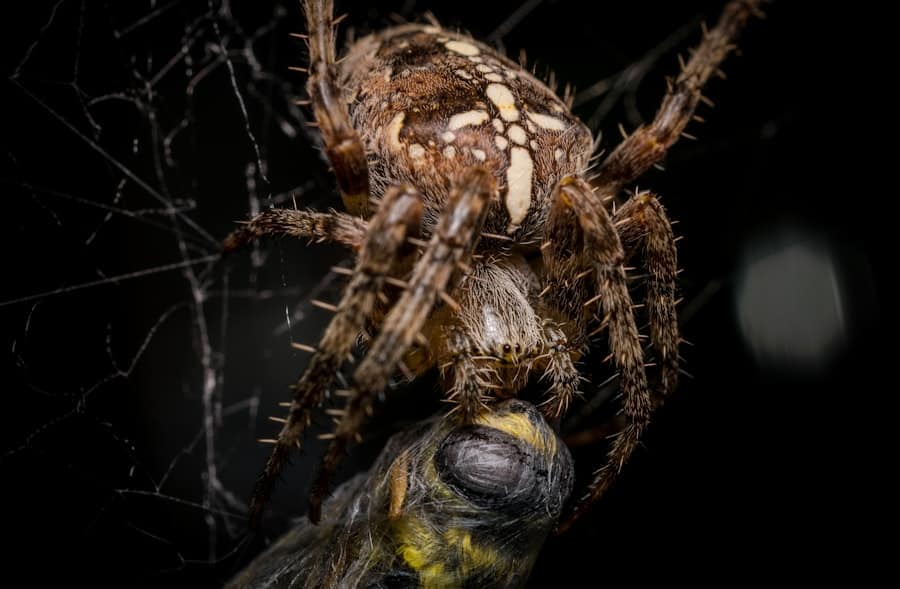
If your spider problem persists despite your best efforts, it may be time to consider hiring a professional pest control service. These experts have the training and experience necessary to identify specific spider species and assess the extent of the infestation. They can provide tailored solutions based on your unique situation, ensuring that the methods used are both effective and safe for your household.
When selecting a pest control service, look for companies that use integrated pest management (IPM) techniques. IPM focuses on long-term prevention through a combination of biological control, habitat manipulation, and chemical methods when necessary. A reputable service will conduct thorough inspections of your property, identify potential entry points, and recommend preventive measures alongside treatment options.
By enlisting professional help, you can achieve peace of mind knowing that your spider problem is being addressed by knowledgeable specialists.
Spider Control in Commercial and Outdoor Spaces
Managing spider populations extends beyond residential areas; commercial spaces also require attention to prevent infestations that could deter customers or compromise safety. In commercial settings such as restaurants or warehouses, regular inspections should be conducted to identify potential spider habitats. Maintaining cleanliness is paramount; spills should be cleaned promptly, and clutter should be minimized to reduce hiding spots for spiders.
Outdoor spaces also require strategic management to keep spiders at bay. Landscaping practices such as regular trimming of shrubs and removing debris can help deter spiders from establishing nests near buildings. Additionally, consider installing outdoor lighting that minimizes insect attraction; yellow or sodium vapor lights are less appealing to insects than traditional white lights.
By implementing these strategies in both commercial and outdoor environments, you can create spaces that are less inviting to spiders while ensuring a safe atmosphere for employees and customers alike.
Long-term Spider Control Strategies
To achieve lasting control over spider populations in your home or business, it’s essential to adopt long-term strategies that focus on prevention and monitoring rather than just reactive measures. Regular maintenance routines should be established to ensure that potential entry points remain sealed and that clutter is consistently managed. This proactive approach will significantly reduce the likelihood of future infestations.
Additionally, consider implementing an ongoing monitoring system where you regularly check for signs of spider activity or web-building in key areas of your property. Keeping a close eye on these indicators will allow you to address any issues before they escalate into larger problems. Educating yourself about seasonal changes in spider behavior can also inform your strategies; for example, certain species may become more active during specific times of the year.
By combining preventive measures with vigilant monitoring, you can maintain a spider-free environment over the long term. In conclusion, understanding spider behavior is crucial for effective management strategies that encompass identification, prevention, control methods—both natural and chemical—and professional assistance when necessary. By taking a comprehensive approach that includes long-term strategies tailored to your specific environment, you can successfully minimize spider populations while appreciating their role in our ecosystem.
If you’re dealing with a spider infestation, it’s essential to understand the broader context of pest control in your area. For instance, you might find valuable insights in the article on the best pest control services in Milwaukee, Wisconsin, which discusses effective strategies for managing various pests, including spiders. You can read more about it here: Best Pest Control Service in Milwaukee, Wisconsin. This resource can help you choose the right service to tackle your spider problem effectively.
FAQs
What is spider pest control?
Spider pest control refers to the methods and techniques used to manage and eliminate spider infestations in homes, businesses, and other properties. This can include the use of pesticides, traps, and other preventative measures to reduce the presence of spiders.
Why is spider pest control important?
Spider pest control is important because spiders can pose a threat to human health and safety. Some spider species are venomous and their bites can cause allergic reactions or other health issues. Additionally, spider infestations can be unsightly and create a nuisance for property owners.
What are some common methods of spider pest control?
Common methods of spider pest control include the use of insecticides and pesticides to kill spiders and their eggs, the removal of spider webs and egg sacs, and the implementation of preventative measures such as sealing cracks and crevices to prevent spiders from entering a property.
Are there natural methods for spider pest control?
Yes, there are natural methods for spider pest control. These can include the use of essential oils, such as peppermint or tea tree oil, to repel spiders, as well as the use of natural predators of spiders, such as certain species of birds or other insects.
When should I consider professional spider pest control services?
You should consider professional spider pest control services if you have a severe spider infestation, if you are dealing with venomous spider species, or if you have not been successful in controlling the spider population using DIY methods. Professional pest control services can provide more effective and long-lasting solutions for spider infestations.