
To effectively manage a termite problem, it’s essential to first understand their behavior. Termites are social insects that live in colonies, often numbering in the thousands or even millions. They are primarily known for their wood-eating habits, which can lead to significant structural damage in homes and buildings.
You might be surprised to learn that termites play a crucial role in the ecosystem by breaking down dead plant material and recycling nutrients back into the soil. This natural process is vital for maintaining healthy ecosystems, but when they invade your home, their behavior can become a nuisance. Termites are divided into three main castes: workers, soldiers, and reproductives.
The worker termites are responsible for foraging for food, building tunnels, and caring for the young. Soldiers protect the colony from predators, while reproductives are responsible for mating and establishing new colonies. Understanding these roles can help you identify the signs of an infestation and the best methods for control.
For instance, if you notice mud tubes or discarded wings around your home, it may indicate that a reproductive swarm is nearby, signaling a potential infestation.
Key Takeaways
- Termites are social insects that live in colonies and are constantly foraging for food sources.
- Signs of termite infestation include mud tubes, damaged wood, and discarded wings near windows and doors.
- Factors that influence termite behavior include moisture, temperature, and availability of food sources.
- Termites do not leave on their own and can cause significant damage if left untreated.
- Natural predators of termites include ants, certain species of birds, and nematodes.
Signs of Termite Infestation
Recognizing the signs of a termite infestation is crucial for early detection and prevention of extensive damage. One of the most common indicators is the presence of mud tubes, which termites construct to travel between their nests and food sources while protecting themselves from predators and environmental conditions. These tubes can often be found along foundation walls or in crawl spaces, and spotting them should raise immediate concern.
Another telltale sign is the presence of discarded wings. After swarming, reproductive termites shed their wings, leaving them scattered around windowsills or near light sources. Additionally, you may notice hollow-sounding wood when you tap on wooden structures in your home.
This sound indicates that termites have been feeding on the wood from the inside out, compromising its integrity. If you observe any of these signs, it’s essential to take action quickly to mitigate potential damage.
Factors That Influence Termite Behavior

Several factors influence termite behavior and their likelihood of invading your home. One significant factor is moisture; termites thrive in damp environments. If your home has leaks, poor drainage, or high humidity levels, it creates an inviting habitat for these pests.
You should regularly inspect areas prone to moisture accumulation, such as basements and crawl spaces, to reduce the risk of attracting termites. Another factor is the availability of food sources. Termites primarily feed on cellulose found in wood and plant materials.
If your home has untreated wood, wooden structures in contact with soil, or even mulch piles nearby, you may inadvertently be providing a buffet for these pests. By understanding these factors, you can take proactive measures to minimize the risk of infestation and protect your property.
Do Termites Leave on Their Own?
You might wonder if termites will leave your home on their own if left undisturbed. Unfortunately, the answer is generally no. Once termites establish a colony and begin feeding on wood within your home, they are unlikely to abandon it without intervention.
Their social structure and survival instincts drive them to continue feeding and expanding their colony as long as conditions remain favorable. While some species of termites may temporarily relocate due to environmental changes or food scarcity, most will remain in their established nests as long as they have access to food and moisture. This means that if you suspect a termite infestation, it’s crucial to act quickly rather than hoping they will leave on their own.
Ignoring the problem can lead to extensive damage and costly repairs.
Natural Predators of Termites
In nature, termites have several natural predators that help keep their populations in check. Birds, such as woodpeckers and certain species of ants, are known to prey on termites. These predators play an essential role in maintaining ecological balance by controlling termite numbers in their natural habitats.
However, when termites invade human structures, these natural predators are often absent or ineffective at managing the infestation. While it may be tempting to rely on these natural predators for control, it’s important to remember that they cannot adequately address a termite problem within your home. Instead, understanding their role in the ecosystem can help you appreciate the complexity of termite behavior and the need for more direct intervention when dealing with infestations.
Risks of Ignoring Termite Infestations
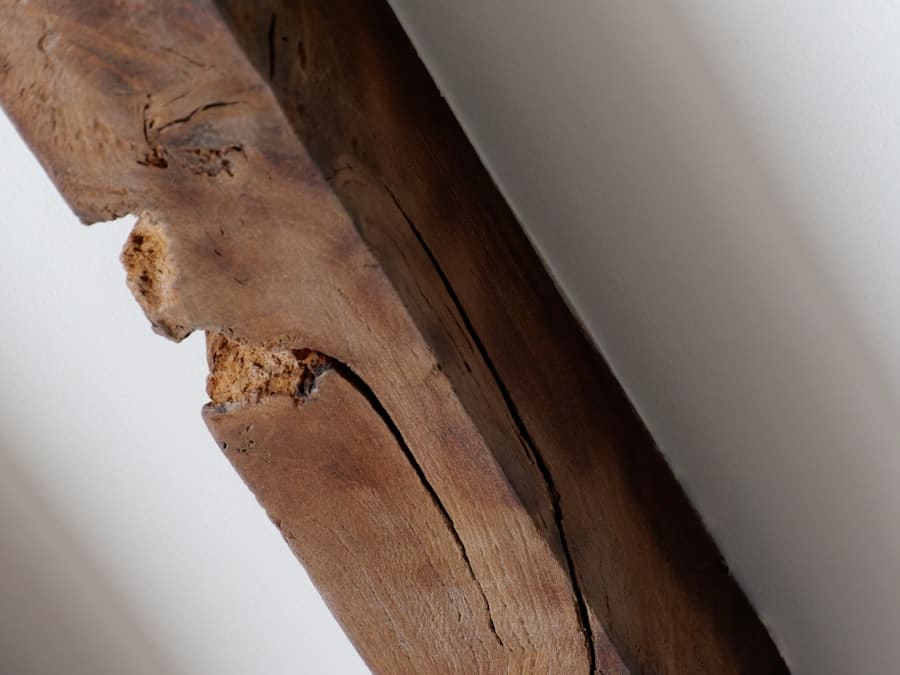
Compromising Home Safety
In some cases, this damage can compromise the safety of your home, leading to costly repairs or even structural failure. Additionally, ignoring termites can result in decreased property value.
Impact on Property Value
If you plan to sell your home in the future, potential buyers will likely be wary of properties with a history of termite infestations or visible damage. This could lead to lower offers or even deter buyers altogether.
Protecting Your Investment and Peace of Mind
By taking action against termites promptly, you not only protect your investment but also ensure peace of mind knowing that your home is safe from these destructive pests.
DIY Methods for Controlling Termites
If you suspect a termite infestation but want to try addressing it yourself before calling in professionals, there are several DIY methods you can consider. One effective approach is using bait systems that contain slow-acting insecticides designed to attract termites. Once consumed by worker termites, these baits are carried back to the colony, ultimately affecting other members and helping to reduce the population over time.
Another method involves applying nematodes—microscopic worms that prey on termites—into areas where you suspect activity. These natural predators can help control termite populations without resorting to harsh chemicals. However, while DIY methods can be effective for minor infestations or prevention, they may not be sufficient for larger infestations or extensive damage.
Professional Termite Control Options
When dealing with a significant termite infestation, enlisting professional pest control services is often the most effective solution. Professionals have access to advanced treatment options that are not available to the general public. They can conduct thorough inspections to assess the extent of the infestation and recommend appropriate treatment plans tailored to your specific situation.
Common professional treatments include liquid termiticides that create a barrier around your home or baiting systems designed to eliminate entire colonies over time. Additionally, professionals can provide ongoing monitoring services to ensure that any potential re-infestations are caught early before they become a larger issue. Investing in professional pest control not only addresses current infestations but also helps prevent future problems.
Preventing Future Termite Infestations
Taking proactive steps to prevent future termite infestations is essential for protecting your home long-term. One effective strategy is to eliminate moisture sources around your property by ensuring proper drainage and fixing any leaks promptly. You should also consider using treated wood for any outdoor structures or renovations to reduce susceptibility to termite damage.
Regular inspections of your property can help identify potential risks before they escalate into infestations. Look for signs of wood decay or damage and address them immediately. Additionally, keeping mulch and firewood away from your home’s foundation can minimize food sources for termites and reduce their chances of entering your living space.
Environmental Impact of Termite Control
When considering termite control options, it’s important to think about their environmental impact as well. Many traditional pest control methods involve chemical treatments that can pose risks to non-target species and ecosystems if not applied carefully. However, there are eco-friendly alternatives available that minimize harm while effectively managing termite populations.
For instance, using bait systems with less toxic substances can reduce environmental risks while still targeting termites specifically. Additionally, employing natural predators like nematodes can provide an environmentally friendly solution without relying on chemicals at all. By choosing responsible pest control methods, you can protect both your home and the environment.
Taking Action Against Termites
In conclusion, understanding termite behavior and recognizing the signs of infestation are crucial steps in protecting your home from these destructive pests. Ignoring an infestation can lead to severe structural damage and financial loss; therefore, taking prompt action is essential. Whether you choose DIY methods or enlist professional help, addressing termite issues head-on will safeguard your property and ensure peace of mind.
By implementing preventive measures and considering environmentally friendly control options, you can create a comprehensive strategy against future infestations while minimizing harm to the ecosystem. Remember that knowledge is power; by staying informed about termite behavior and control methods, you empower yourself to take effective action against these pests and protect your home for years to come.
If you are wondering if termites will go away on their own, you may want to consider seeking the help of a professional pest control service. According to a recent article on Thrift Pest Control, it is important to address termite infestations promptly to prevent further damage to your home. The article highlights the benefits of hiring a reputable pest control service in St. Louis, Missouri, to effectively eliminate termites and protect your property. Don’t wait for termites to go away on their own – take action and contact a pest control expert today.
FAQs
What are termites?
Termites are small, pale insects that feed on wood and can cause significant damage to wooden structures.
Do termites go away on their own?
Termites do not typically go away on their own. Once a termite infestation is established, it will continue to grow and cause damage until it is treated.
How can I get rid of termites?
There are several methods for getting rid of termites, including chemical treatments, baiting systems, and fumigation. It is best to consult with a professional pest control company to determine the most effective treatment for your specific situation.
Can I prevent termites from coming back?
There are steps you can take to prevent termites from returning, such as reducing moisture around your home, removing wood debris, and regularly inspecting for signs of termite activity. It is also important to have regular termite inspections and to address any issues promptly.