
When you find yourself facing a pest problem, understanding the extermination process is crucial. The first step typically involves a thorough inspection of your property. This allows you to identify the type of pests you are dealing with and the extent of the infestation.
You may notice that professionals often look for signs such as droppings, nests, or damage to structures. This initial assessment is vital because it informs the exterminator about the best methods and products to use for effective pest control. Once the inspection is complete, the extermination process can begin.
Depending on the type of pest, various methods may be employed, including chemical treatments, traps, or even natural remedies. You might find that some exterminators prefer integrated pest management (IPM) techniques, which focus on long-term prevention and minimal environmental impact. Understanding these steps can help you feel more informed and prepared as you navigate the challenges of pest control.
Key Takeaways
- Understanding the extermination process is crucial for effective bug removal
- Factors such as poor sanitation and untreated entry points can lead to bug reinfestation
- Common bugs like bed bugs and cockroaches are known to come back after extermination
- Signs of bug reinfestation include seeing live bugs, finding new egg casings, and noticing musty odors
- Prevent bug reinfestation by maintaining cleanliness, sealing entry points, and using preventive treatments
Factors That Can Lead to Bug Reinfestation
Sanitation: The Key to Prevention
A lack of proper sanitation is one of the most significant contributors to bug reinfestation. Leaving food particles out or not disposing of garbage correctly creates an environment that pests find inviting. Even small crumbs can attract unwanted visitors back into your home, making cleanliness a fundamental aspect of preventing reinfestation.
Structural Vulnerabilities: Entry Points for Pests
Cracks in walls, gaps around windows, or holes in screens can serve as entry points for pests. Take a closer inspection of your home’s and interior to identify any potential weaknesses. Regular maintenance and repairs can significantly reduce the likelihood of bugs returning after an extermination.
Maintenance and Repairs: The Long-Term Solution
Regular maintenance and repairs are essential to preventing bug reinfestation. By addressing these issues, you can significantly reduce the likelihood of bugs returning after an extermination, ensuring a pest-free home for the long haul.
Common Bugs That Are Known to Come Back After Extermination
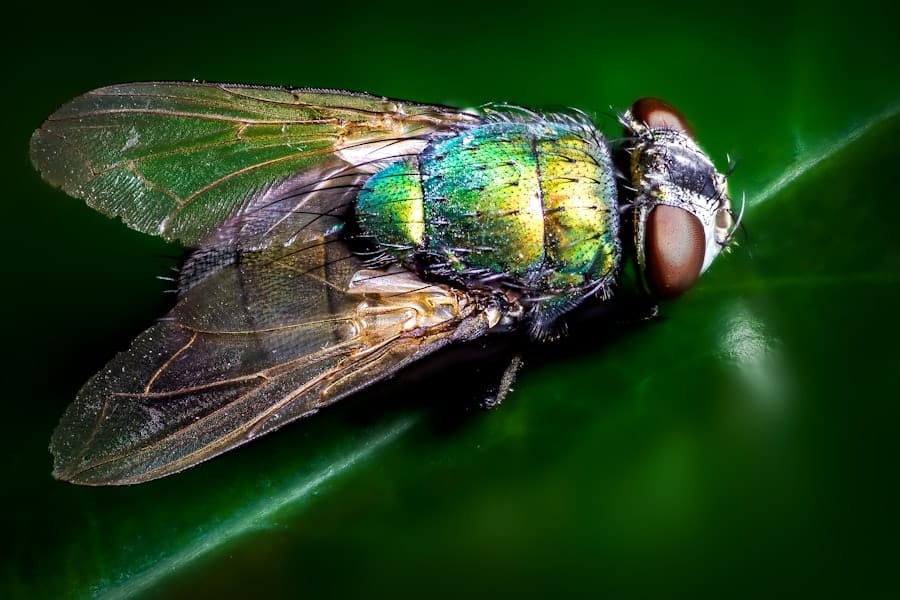
Certain pests are notorious for their ability to return even after an extermination effort. Bed bugs, for instance, are particularly resilient and can survive in various environments. You may find that they can hide in tiny crevices and are often brought back into homes through luggage or second-hand furniture.
Their ability to reproduce quickly makes them a persistent problem that requires vigilant monitoring. Another common pest that tends to return is the cockroach. These insects are not only hardy but also adept at finding food and shelter in your home.
If you’ve had a cockroach infestation before, you know how challenging it can be to eliminate them completely. Their reproductive capabilities mean that even a few survivors can lead to a new infestation if not addressed promptly.
Signs of Bug Reinfestation
Being aware of the signs of bug reinfestation is crucial for timely intervention. One of the most obvious indicators is the sighting of live bugs or their droppings in your home. If you notice small black specks or shed skins, it may be time to take action.
You might also find unusual smells or stains that could indicate a pest problem lurking nearby. In addition to visual signs, you should pay attention to any unexplained bites or skin irritations. If you wake up with new bites or rashes, it could be a sign that bed bugs have returned.
Keeping an eye out for these symptoms can help you catch a reinfestation early, allowing you to address the issue before it escalates.
How to Prevent Bug Reinfestation
Preventing bug reinfestation requires a proactive approach on your part. One effective strategy is to maintain a clean living environment. Regularly vacuuming carpets, wiping down surfaces, and ensuring that food is stored properly can significantly reduce the chances of attracting pests back into your home.
You might also consider decluttering your space, as piles of items can provide hiding spots for bugs. Another preventive measure involves sealing entry points around your home. Inspecting windows, doors, and any cracks in walls can help you identify areas where pests might enter.
By using caulk or weather stripping, you can effectively block these entryways and create a less hospitable environment for bugs.
The Importance of Regular Pest Control Maintenance

Stay Ahead of Pest Activity
Additionally, regular maintenance allows you to stay informed about any changes in pest activity in your area. As seasons change, different pests may become more prevalent, and being proactive can save you from future headaches.
Protect Your Home from Unwanted Invaders
By investing in ongoing pest control services, you are taking a crucial step toward safeguarding your home from unwanted invaders.
Long-Term Benefits of Regular Maintenance
Regular pest control maintenance offers long-term benefits, including a reduced risk of infestations, minimized damage to your property, and a healthier living environment.
When faced with a pest problem, you may wonder whether to hire a professional exterminator or tackle the issue yourself with DIY methods. While DIY solutions can be effective for minor infestations, they often lack the comprehensive approach that professionals provide. Exterminators have access to specialized tools and products that are not available to the general public, which can make a significant difference in effectiveness.
Moreover, professionals bring expertise and experience to the table. They can accurately identify the type of pest and recommend targeted treatments that address the root cause of the problem. If you choose to go the DIY route, be prepared for trial and error, which can sometimes lead to frustration and wasted resources.
Eco-Friendly Extermination Options
As awareness of environmental issues grows, many homeowners are seeking eco-friendly extermination options. You may be pleased to know that there are several green pest control methods available today. These options often utilize natural ingredients and techniques that minimize harm to the environment while effectively managing pest populations.
For instance, some companies offer organic pesticides made from plant-based materials that are less toxic than traditional chemicals. Additionally, integrated pest management (IPM) strategies focus on prevention and monitoring rather than solely relying on chemical treatments. By choosing eco-friendly options, you not only protect your home but also contribute to a healthier planet.
Dealing with Bug Reinfestation in Rental Properties
If you’re a tenant dealing with bug reinfestation in a rental property, it’s essential to know your rights and responsibilities. Many landlords are legally obligated to provide a habitable living environment, which includes addressing pest issues promptly. You should document any signs of infestation and communicate with your landlord about the problem as soon as possible.
In some cases, landlords may hire professional exterminators to handle the situation; however, it’s crucial for you to maintain cleanliness and report any issues immediately. By working together with your landlord, you can help ensure that the problem is resolved efficiently and effectively.
Bug Reinfestation in Commercial Properties
Bug reinfestation is not limited to residential properties; commercial spaces can also face significant challenges when it comes to pests. Restaurants, offices, and retail stores are all susceptible to infestations that can disrupt business operations and damage reputations. If you own or manage a commercial property, it’s vital to implement regular pest control measures as part of your maintenance routine.
You may find that customer complaints about pests can lead to negative reviews and loss of business. Therefore, investing in professional pest control services is not just about maintaining a clean environment; it’s also about protecting your brand image and ensuring customer satisfaction.
The Cost of Dealing with Bug Reinfestation
The cost of dealing with bug reinfestation can vary widely depending on several factors, including the type of pest, the severity of the infestation, and the methods used for extermination. You might find that initial treatments can be relatively affordable; however, ongoing maintenance and follow-up treatments may add up over time. It’s essential to consider these costs as part of your overall budget for home maintenance or business operations.
While it may seem like an expense upfront, investing in effective pest control can save you money in the long run by preventing more extensive damage and costly repairs associated with severe infestations. By being proactive about pest management, you can protect both your property and your finances from the repercussions of bug reinfestation.
If you’re wondering whether bugs come back after extermination, you may want to check out this article on hidden pest threats. This in-depth look at the silent invaders that can wreak havoc on your home will give you a better understanding of the importance of regular pest control services. Don’t wait until the bugs come back – take proactive steps to protect your home today.
FAQs
What is extermination?
Extermination is the process of eliminating pests, such as insects or rodents, from a specific area using various methods such as pesticides, traps, or other pest control techniques.
Do bugs come back after extermination?
It is possible for bugs to come back after extermination if the root cause of the infestation is not addressed. Additionally, new bugs can enter the area from outside sources.
How can I prevent bugs from coming back after extermination?
To prevent bugs from returning after extermination, it is important to address any underlying issues that may have contributed to the infestation, such as sealing cracks and crevices, removing food sources, and maintaining a clean environment.
What are some common reasons bugs come back after extermination?
Common reasons for bugs coming back after extermination include not addressing the root cause of the infestation, such as poor sanitation or entry points for pests, and new bugs entering the area from outside sources.
When should I consider professional extermination services?
Professional extermination services should be considered when a pest infestation is persistent, widespread, or poses a health or safety risk. Professional exterminators have the expertise and tools to effectively eliminate pests and prevent their return.