
The Silent Invaders: A Deep Dive Into Hidden Pest Threats
Have you ever wondered what might be lurking in the shadows of your home? You might think of pests as prominent critters, like mice or cockroaches, but many hidden invaders can cause problems without you even knowing. Let’s unpack some of these silent invaders together.
Understanding Hidden Pest Threats
When discussing hidden pests, we often envision those that are not immediately visible to the naked eye. These pests can cause significant damage over time without detection. This section will help you familiarize yourself with these pests and how they operate.
Definition of Hidden Pests
Hidden pests, such as insects, rodents, or microorganisms, are typically undetected or difficult to identify until they have already caused damage. Knowing what to look for is critical in preventing infestations or damage.
Why They Matter
While you might think that a few tiny pests are no big deal, these silent invaders can lead to structural damage, health problems, and sometimes even costly repairs. Understanding their impact allows you to take proactive measures in your home.
Common Silent Invaders
Let’s examine some of the most common hidden pests you might encounter on your property. Learning about them can help you stay vigilant.
Termites
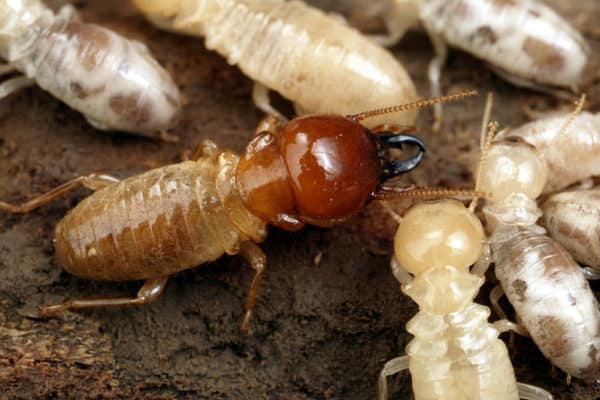
Termites are often dubbed “silent destroyers” because they invade with little warning. They feed mainly on wood and can cause severe structural damage if left unchecked.
Signs of Termite Infestation
| Sign | Description |
|---|---|
| Mud Tubes | These are tunnels made from soil and wood. They can often be found along foundations or walls. |
| Swarmers | Winged termites that leave the nest to reproduce can indicate an existing infestation. |
| Hollow Sound | If you tap on wood and hear a hollow sound, it may signal termite damage inside. |
Bed Bugs
Though bed bugs are minor, their impact on sleep and comfort can be significant. They usually hide in mattresses, sheets, and furniture seams.
Identifying Bed Bugs
| Sign | Description |
|---|---|
| Bites | Itchy red spots on the skin can indicate bites from these pests. |
| Blood Stains | Minor blood stains on bedding or furniture can signify their presence. |
| Shed Skins | Look for tiny translucent skins they leave behind as they grow. |
Rodents
Rodents like mice and rats often sneak into homes without anyone noticing. They can cause contamination and property damage.
Signs of Rodent Activity
| Sign | Description |
|---|---|
| Droppings | Finding droppings can indicate they’ve made your home their residence. |
| Gnaw Marks | Rodents love to chew on wiring, wood, and food packaging. Please be sure to look for signs of gnawing. |
| Noises | Scratching sounds in the walls or ceilings could signal rodent activity. |
Health Risks of Hidden Pests
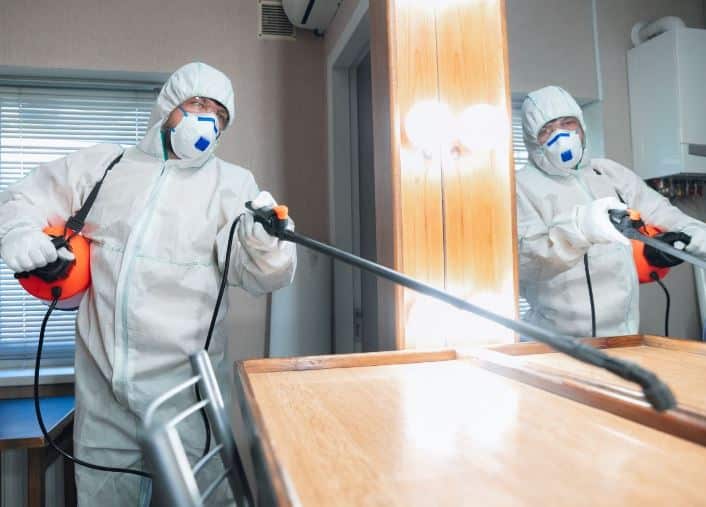
Pests can pose various health risks to you and your family. Let’s discuss how certain pests can impact your well-being.
Allergies and Asthma
Some pests, like cockroaches and dust mites, can exacerbate allergies and asthma symptoms. Their droppings and shed skins can become airborne, leading to respiratory issues.
Illnesses from Rodents
Rodents can transmit diseases through their droppings, urine, and bites. Diseases like hantavirus, leptospirosis, and salmonella can be tied to rodent infestations.
Bed Bugs and Mental Health
While bed bugs don’t directly transmit diseases, the stress of dealing with an infestation can lead to mental health issues, including anxiety and sleep disturbances.
Preventative Measures
Taking steps to prevent infestations is vital in keeping your home pest-free. Here are some proactive measures to help protect your living space.
Regular Inspections
Conducting regular inspections of your home can help catch early signs of infestations.
What to Look For
| Area | What to Check |
|---|---|
| Basements and Crawl Spaces | Please be sure to look for any signs of moisture or wood damage. |
| Attics | Could you check for droppings and nesting materials? |
| Roof and Exterior | Inspect for entry points like gaps and cracks. |
Proper Food Storage
Keeping food stored securely can significantly reduce your chances of attracting pests.
Food Storage Tips
| Tip | Description |
|---|---|
| Airtight Containers | Store all food in airtight containers to limit access. |
| Regular Cleanup | Please make it a habit to clean up spills as soon as possible to avoid attracting pests. |
| Dispose of Garbage Properly | Use bins with tight seals to deter unwanted animals. |
Seal Entry Points
One of the simplest ways to prevent pests is to seal off potential entry points.
How to Seal Your Home
| Step | Description |
|---|---|
| Inspect Windows and Doors | Ensure that all screens are intact and weather stripping is effective. |
| Fill Gaps and Cracks | Use caulk or foam insulation to close gaps in walls, foundations, and around pipes. |
| Maintain Landscaping | Trim overgrown plants and keep mulch away from the foundation to reduce pest access. |
When to Call in Professionals
Sometimes, pest issues can escalate beyond DIY solutions, no matter how diligent you are. Knowing when to seek help is crucial.
Signs You Need Professional Help
Identifying Serious Infestations
| Sign | Description |
|---|---|
| Extensive Damage | If you notice significant damage to your home, it might be time to call a pest control expert. |
| Multiple Types of Pests | An infestation involving various pests may require professional intervention. |
| Allergic Reactions | Could you call a professional to assess the situation if you suffer from severe allergic reactions? |
Choosing the Right Pest Control Service
Selecting a pest control company can be challenging. Here are some tips to help you choose wisely.
| Tip | Description |
|---|---|
| Look for Licensed and Insured | Choose a company that is certified and insured to ensure quality service. |
| Read Reviews | Customer reviews can give you insight into the effectiveness of their services. |
| Ask about Environmentally Friendly Options | Some companies provide green pest control options. |
Eco-Friendly Pest Control Solutions
If you’re concerned about pesticides and chemicals, there are eco-friendly pest control solutions to consider.
Natural Deterrents
Certain items can act as natural repellents to keep pests at bay.
| Solution | How It Works |
|---|---|
| Essential Oils | When diluted and sprayed around the home, oils like peppermint and tea tree work as natural repellents. |
| Diatomaceous Earth | This powder can be spread where pests are frequent and work by dehydrating insects. |
| Vinegar and Baking Soda | Both can be effective at repelling ants and other pests when appropriately used. |
Integrated Pest Management (IPM)
This is a comprehensive, eco-friendly approach to pest control that focuses on prevention and sustainable practices.
Key Strategies
| Strategy description | n |
|---|---|
| Monitoring and Identification | Regular inspections to detect pests early. |
| Prevention Techniques | Employing methods to deter pests before they arrive. |
| Control Methods | I am using a combination of natural and chemical methods to manage pests responsibly. |
I want you to know that awareness of the silent invaders lurking in your home is the first step toward prevention. By understanding these pests, the potential health risks they pose, and how to keep them at bay, you can create a safe and comfortable living environment.
Remember, staying proactive through regular inspection, proper food storage, and sealing any potential entry points will go a long way in minimizing pest-related issues. If you ever find yourself overwhelmed by an infestation, don’t hesitate to seek professional help. Your home should be a sanctuary free from unwelcome guests.
==========
Content 10/10/G