
Biological pest control is an innovative approach that harnesses the power of nature to manage pest populations. Instead of relying on synthetic chemicals, this method utilizes natural predators, parasites, and pathogens to keep harmful organisms in check. As you delve into the world of biological pest control, you will discover how this method not only promotes ecological balance but also offers a sustainable alternative to traditional pest management practices.
By understanding the principles behind biological pest control, you can appreciate its role in modern agriculture and gardening. The concept of biological pest control is rooted in the idea that nature has its own mechanisms for regulating pest populations. For centuries, farmers and gardeners have observed the interactions between various species and have sought to leverage these relationships to their advantage.
Today, with the increasing awareness of environmental issues and the adverse effects of chemical pesticides, biological pest control has gained significant traction. You will find that this method not only addresses pest problems but also contributes to the overall health of ecosystems.
Key Takeaways
- Biological pest control involves using living organisms to control pest populations, rather than relying on chemical pesticides.
- Using biological pest control can help reduce the negative impact of chemical pesticides on the environment and human health.
- Types of biological pest control methods include using natural enemies, such as predators and parasites, to control pest populations, as well as using pathogens to infect and kill pests.
- Examples of biological pest control organisms include ladybugs, parasitic wasps, and nematodes, which can help control populations of aphids, caterpillars, and other pests.
- Benefits of biological pest control include reduced reliance on chemical pesticides, lower risk of pesticide resistance, and preservation of beneficial insects and natural ecosystems.
The Importance of Using Biological Pest Control
The importance of biological pest control cannot be overstated, especially in an era where environmental sustainability is paramount. As you consider the implications of chemical pesticide use, you may recognize the potential harm these substances can inflict on non-target organisms, including beneficial insects, soil health, and even human health. By opting for biological pest control, you are making a conscious choice to protect biodiversity and promote a healthier environment.
Moreover, biological pest control can lead to long-term solutions for pest management. Unlike chemical pesticides that often require repeated applications and can lead to resistance in pest populations, biological methods can establish a more stable equilibrium within ecosystems. This means that once natural predators or parasites are introduced, they can continue to manage pest populations over time without the need for constant intervention.
As you explore this approach, you will see how it aligns with sustainable agricultural practices and contributes to food security.
Types of Biological Pest Control Methods
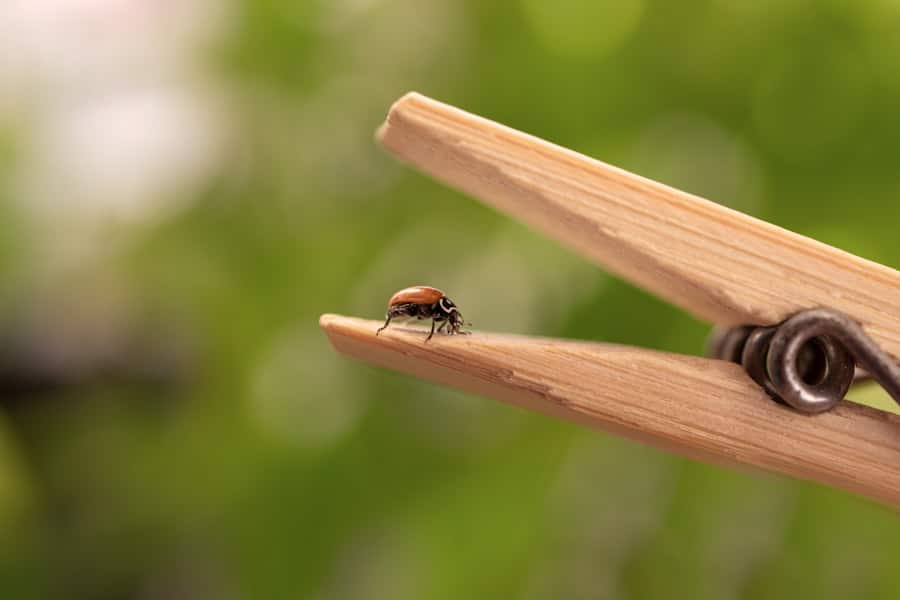
There are several methods of biological pest control that you can explore, each with its unique advantages and applications. One of the most common methods is the introduction of natural enemies, such as predators or parasitoids, which can effectively reduce pest populations. For instance, ladybugs are well-known for their voracious appetite for aphids, making them a popular choice for controlling these pests in gardens and agricultural fields alike.
Another method involves the use of pathogens, such as bacteria, fungi, or viruses, that specifically target pests. For example, the bacterium Bacillus thuringiensis (Bt) is widely used to control caterpillar pests in crops. When ingested by these insects, Bt produces toxins that are lethal to them while remaining harmless to humans and other non-target species.
As you learn about these methods, you will appreciate the diversity of strategies available within biological pest control.
Examples of Biological Pest Control Organisms
When considering biological pest control organisms, you will encounter a fascinating array of species that play crucial roles in managing pest populations. One prominent example is the parasitic wasp, which lays its eggs inside or on the bodies of host pests. These wasps are particularly effective against caterpillars and aphids, as their larvae consume the host from within, ultimately leading to its demise.
Another noteworthy organism is the nematode, a microscopic roundworm that can be used to target soil-dwelling pests like grubs and root weevils. These beneficial nematodes enter the bodies of their hosts and release bacteria that kill them within a few days. By introducing these nematodes into your garden or agricultural fields, you can effectively reduce pest populations without resorting to chemical treatments.
As you explore these examples, you will gain insight into the intricate relationships between species and their roles in maintaining ecological balance.
Benefits of Biological Pest Control
The benefits of biological pest control extend far beyond mere pest management; they encompass environmental health, economic savings, and enhanced crop quality. By utilizing natural predators and parasites, you can significantly reduce your reliance on chemical pesticides, which not only lowers production costs but also minimizes the risk of pesticide residues on food products. This aspect is particularly appealing to consumers who are increasingly seeking organic and sustainably produced food options.
Additionally, biological pest control promotes biodiversity within ecosystems. By fostering a diverse range of species in your garden or farm, you create a more resilient environment capable of withstanding various challenges, including climate change and emerging pests. This resilience is crucial for long-term agricultural sustainability and food security.
As you consider these benefits, it becomes clear that biological pest control is not just a method for managing pests; it is a holistic approach that supports the health of our planet.
Challenges and Limitations of Biological Pest Control
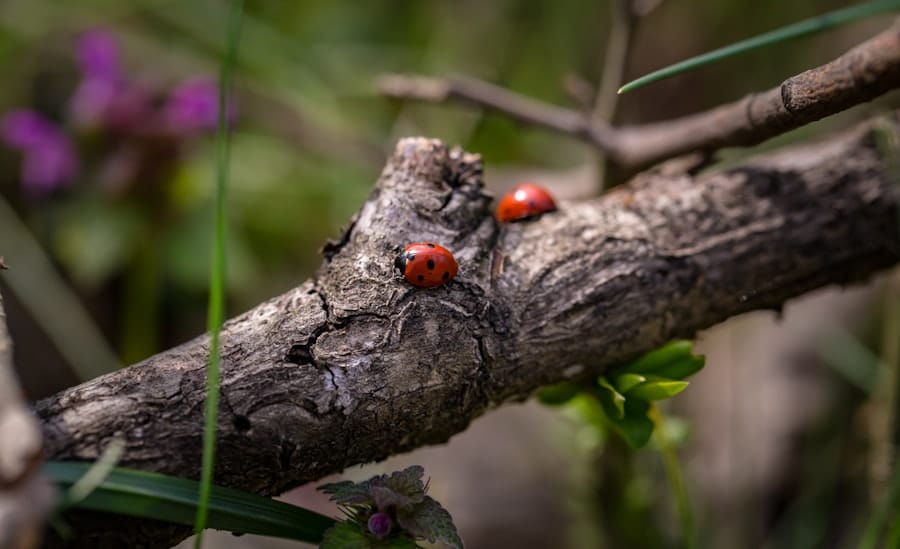
Despite its many advantages, biological pest control is not without challenges and limitations. One significant hurdle is the time required for natural enemies to establish themselves in a new environment. Unlike chemical pesticides that provide immediate results, biological methods may take longer to show effectiveness as populations of beneficial organisms build up over time.
This delay can be frustrating for those seeking quick solutions to pest problems. Another challenge lies in the specificity of biological control agents. Many natural predators or pathogens are highly specialized and may only target specific pests.
This means that if you are dealing with a complex pest problem involving multiple species, finding an appropriate biological control agent may prove difficult. Additionally, environmental factors such as temperature and humidity can influence the effectiveness of these organisms. As you navigate these challenges, it is essential to approach biological pest control with patience and a willingness to adapt your strategies.
Integrating Biological Pest Control with Other Pest Management Strategies
To maximize the effectiveness of biological pest control, it is often beneficial to integrate it with other pest management strategies. This holistic approach is known as Integrated Pest Management (IPM), which combines various techniques to create a comprehensive plan for managing pests sustainably. By incorporating cultural practices such as crop rotation and habitat manipulation alongside biological methods, you can enhance your overall pest management efforts.
For instance, planting companion crops can attract beneficial insects that serve as natural predators for harmful pests. Additionally, maintaining healthy soil through organic practices can support diverse microbial communities that contribute to plant health and resilience against pests. As you explore IPM strategies, you will find that combining biological control with other methods not only improves efficacy but also fosters a more sustainable agricultural system.
Future Trends in Biological Pest Control
As you look toward the future of biological pest control, several trends are emerging that promise to enhance its effectiveness and accessibility. One notable trend is the increasing use of technology in monitoring and managing pest populations. Advances in remote sensing and data analytics allow for more precise identification of pest outbreaks and the timely introduction of biological control agents.
Furthermore, research into genetic engineering holds potential for developing more effective biological control organisms. For example, scientists are exploring ways to enhance the efficacy of natural predators through selective breeding or genetic modification. This could lead to more robust solutions for managing pests while minimizing environmental impact.
As you consider these future trends, it becomes evident that biological pest control is poised to play an even more significant role in sustainable agriculture and environmental stewardship. In conclusion, biological pest control represents a promising avenue for managing pests while promoting ecological balance and sustainability. By understanding its importance, methods, benefits, challenges, and future trends, you can appreciate how this approach aligns with contemporary agricultural practices aimed at protecting both crops and the environment.
Embracing biological pest control not only contributes to healthier ecosystems but also supports your efforts in cultivating a more sustainable future for generations to come.
Biological pest control is an effective strategy that utilizes natural predators to manage pest populations, reducing the need for chemical interventions. For those interested in exploring sustainable pest management practices, the article on long-term strategies can provide valuable insights. You can read more about these approaches in the article Beyond Extermination: Long-Term Strategies for Sustainable Pest Management. This resource discusses various methods, including biological control, that can help maintain a balanced ecosystem while effectively managing pest issues.
FAQs
What is biological pest control?
Biological pest control is a method of controlling pests using other living organisms, such as predators, parasites, and pathogens, to reduce pest populations.
How does biological pest control work?
Biological pest control works by introducing natural enemies of the pest species into the environment, which then help to reduce the pest population by feeding on or parasitizing the pests.
What are some examples of biological pest control agents?
Examples of biological pest control agents include ladybugs, lacewings, parasitic wasps, nematodes, and certain fungi and bacteria that are used to control pests in agriculture and horticulture.
What are the advantages of biological pest control?
Some advantages of biological pest control include reduced reliance on chemical pesticides, minimal harm to non-target organisms, and long-term pest control solutions.
Are there any limitations to biological pest control?
Limitations of biological pest control include the time it takes for natural enemies to establish and control pest populations, as well as the potential for natural enemies to also impact beneficial organisms.
Is biological pest control safe for the environment and human health?
Biological pest control is generally considered safe for the environment and human health, as it reduces the need for chemical pesticides and minimizes the risk of pesticide exposure.