
In the realm of agriculture and horticulture, the battle against pests is a constant struggle. You may find yourself grappling with the challenge of protecting your crops from various harmful insects and diseases. While chemical pesticides have long been the go-to solution for many farmers, there is a growing recognition of the importance of biological controls.
This approach harnesses the power of natural predators, parasites, and pathogens to manage pest populations effectively. By understanding and implementing biological controls, you can create a more sustainable and environmentally friendly method of pest management. Biological controls offer a holistic alternative to traditional chemical methods, promoting a balanced ecosystem within your agricultural practices.
As you delve deeper into this subject, you will discover that these methods not only reduce reliance on synthetic chemicals but also enhance biodiversity and soil health. The integration of biological controls into your pest management strategy can lead to healthier crops and a more resilient agricultural system. This article will explore the various types of biological controls available, their benefits and limitations, and how you can implement them effectively in your farming practices.
Key Takeaways
- Biological controls use natural organisms to manage pest populations, reducing the need for chemical pesticides.
- Types of biological controls include predatory insects, microbial controls, and parasitic controls.
- Predatory insects like ladybugs and lacewings can be used to control pest populations by feeding on them.
- Microbial controls use bacteria, fungi, and viruses to target specific pests and are often used in organic farming.
- Parasitic controls involve using parasites to target and control pest populations, such as using parasitic wasps to control aphids.
Types of Biological Controls
When it comes to biological controls, there are several distinct categories that you can explore. Each type plays a unique role in pest management, allowing you to tailor your approach based on the specific challenges you face. The primary types of biological controls include predatory insects, microbial agents, and parasitic organisms.
Understanding these categories will empower you to make informed decisions about which methods to employ in your pest management strategy. Predatory insects are perhaps the most well-known form of biological control. These beneficial insects actively hunt and consume pest species, helping to keep their populations in check.
On the other hand, microbial controls involve the use of bacteria, fungi, or viruses that target specific pests. These microorganisms can disrupt the life cycle of pests or even cause disease, leading to a decline in their numbers. Lastly, parasitic controls involve organisms that live on or within a host pest, ultimately leading to its demise.
By familiarizing yourself with these different types of biological controls, you can better assess which methods will be most effective for your specific situation.
Predatory Insects as Biological Controls
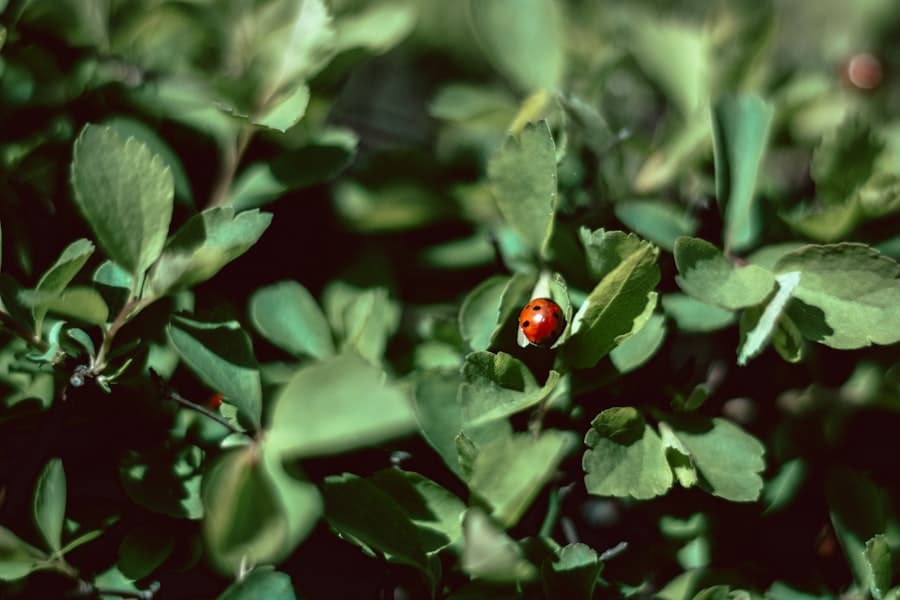
Predatory insects are a cornerstone of biological pest control strategies. You may have encountered ladybugs, lacewings, or predatory mites in your garden or farm; these insects are not just charming additions to your landscape but also powerful allies in the fight against pests. Ladybugs, for instance, are voracious consumers of aphids, which are notorious for damaging crops.
By introducing these beneficial insects into your environment, you can significantly reduce aphid populations without resorting to chemical pesticides. In addition to ladybugs, other predatory insects such as wasps and beetles also play crucial roles in pest management. You might consider creating habitats that attract these beneficial species, such as planting diverse flowering plants that provide nectar and pollen.
This not only supports predatory insects but also enhances overall biodiversity in your agricultural ecosystem. By fostering an environment conducive to these natural predators, you can establish a self-regulating system that minimizes pest outbreaks and promotes healthier crops.
Microbial Controls of Pests
Microbial controls represent another innovative approach to managing pests in agriculture. You may be surprised to learn that certain bacteria and fungi can be harnessed to combat specific pest species effectively. For example, Bacillus thuringiensis (Bt) is a well-known bacterium that produces toxins harmful to certain caterpillars and beetles.
When applied to crops, Bt can significantly reduce pest populations while posing minimal risk to beneficial insects and humans. Fungal pathogens also play a vital role in microbial pest control. You might consider using entomopathogenic fungi, which infect and kill insects upon contact.
These fungi can be particularly effective against pests like aphids and whiteflies. By incorporating microbial controls into your pest management strategy, you can take advantage of nature’s own defenses while reducing your reliance on chemical pesticides. This approach not only helps protect your crops but also contributes to a healthier ecosystem overall.
Parasitic Controls of Pests
Parasitic controls offer yet another layer of complexity in biological pest management. You may find it fascinating that certain organisms can thrive by living on or within their host pests, ultimately leading to the host’s demise. Parasitic wasps are prime examples of this method; they lay their eggs inside or on the bodies of pest insects like caterpillars or aphids.
Once the eggs hatch, the larvae consume the host from the inside out, effectively controlling pest populations. Implementing parasitic controls requires careful consideration of the specific pests you are targeting. You might explore options such as releasing parasitic wasps into your fields or gardens to combat infestations effectively.
While this method can be highly effective, it is essential to monitor the balance between beneficial and harmful species in your ecosystem. By understanding the dynamics of parasitic relationships, you can harness this natural control mechanism to your advantage while maintaining ecological balance.
Benefits and Limitations of Biological Controls
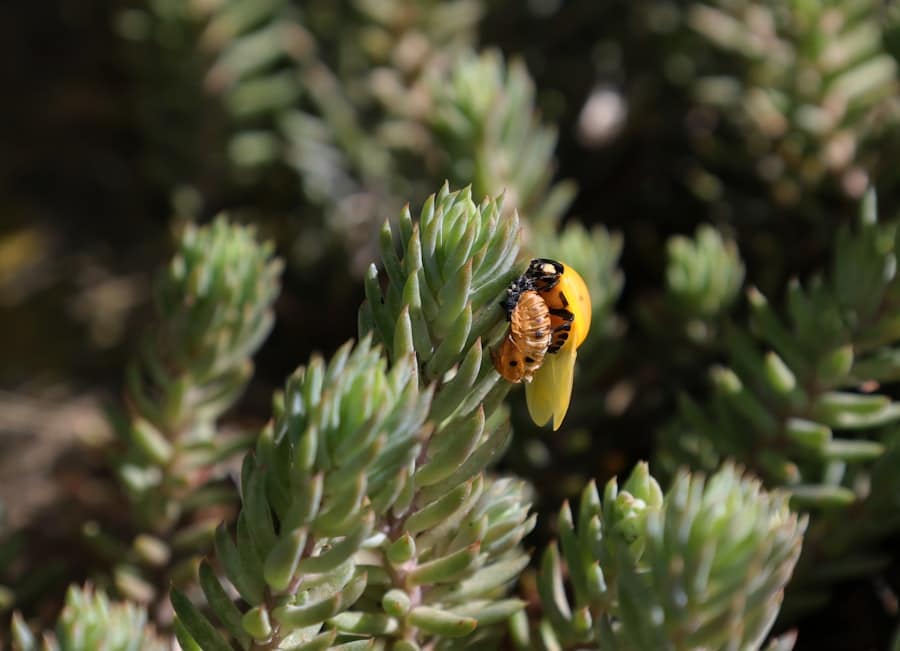
Biological Controls in Pest Management: Weighing the Benefits and Limitations
Environmental Sustainability
One significant advantage of integrating biological controls into your pest management strategy is their environmental sustainability. By adopting these methods, you reduce reliance on synthetic chemicals that can harm beneficial organisms and contaminate soil and water sources, contributing to a healthier ecosystem while promoting biodiversity.
Limitations of Biological Controls
However, it is crucial to acknowledge that biological controls are not a one-size-fits-all solution. You may encounter challenges such as the time it takes for natural predators or parasites to establish themselves in your environment. Additionally, some biological control agents may not be effective against all pest species or under certain environmental conditions.
Developing a Comprehensive Pest Management Plan
Understanding these limitations will help you develop a more comprehensive pest management plan that combines biological controls with other methods when necessary. By considering both the benefits and limitations of biological controls, you can create a more effective and sustainable approach to managing pests.
Implementing Biological Controls in Agriculture
Implementing biological controls in your agricultural practices requires careful planning and execution. You might start by conducting a thorough assessment of your pest problems and identifying potential biological control agents that could be effective against them. Researching local ecosystems and understanding the natural predators available in your area will provide valuable insights into which methods will work best for you.
Once you’ve identified suitable biological control agents, consider how to introduce them into your farming system effectively. This may involve releasing predatory insects at strategic times or applying microbial agents during specific growth stages of your crops. Monitoring the effectiveness of these controls is crucial; you should regularly assess pest populations and the health of beneficial species in your ecosystem.
By maintaining an adaptive approach and being willing to adjust your strategies as needed, you can maximize the benefits of biological controls in your agricultural practices.
Future of Biological Controls in Pest Management
The future of biological controls in pest management looks promising as research continues to advance our understanding of ecological interactions and pest dynamics. You may find it exciting that scientists are exploring innovative ways to enhance the effectiveness of biological control agents through genetic engineering and biotechnology. For instance, researchers are investigating how to improve the efficacy of microbial agents or develop new strains of predatory insects that are better suited for specific environments.
As consumer demand for sustainable agricultural practices grows, you may also see an increased emphasis on biological controls within regulatory frameworks and farming guidelines. This shift could lead to more widespread adoption of these methods across various agricultural sectors. By staying informed about emerging trends and advancements in biological control research, you can position yourself at the forefront of sustainable pest management practices that benefit both your crops and the environment.
In conclusion, embracing biological controls as part of your pest management strategy offers numerous advantages for sustainable agriculture. By understanding the various types of biological controls available—predatory insects, microbial agents, and parasitic organisms—you can make informed decisions about how best to protect your crops while promoting ecological balance. As you implement these methods in your farming practices, remember to monitor their effectiveness and adapt your strategies as needed for optimal results.
The future holds exciting possibilities for biological controls in pest management, paving the way for healthier crops and a more sustainable agricultural landscape.
Biological controls of pests are an essential aspect of integrated pest management, utilizing natural predators and parasites to keep pest populations in check. For a deeper understanding of the various pest threats that can impact our environments, you might find the article on hidden pest threats particularly insightful. This article explores the often-overlooked pests that can invade our homes and gardens, highlighting the importance of recognizing these threats to implement effective biological control strategies.
FAQs
What are biological controls of pests?
Biological controls of pests refer to the use of natural enemies, such as predators, parasites, and pathogens, to manage pest populations in agriculture and other settings.
How do biological controls work?
Biological controls work by introducing or enhancing the presence of natural enemies that can suppress pest populations. This can be done through the release of predators or parasites, or by creating habitats that support natural enemies.
What are some examples of biological controls of pests?
Examples of biological controls of pests include the use of ladybugs to control aphids, the release of parasitic wasps to control caterpillars, and the use of bacteria or fungi to control insect pests.
What are the advantages of using biological controls of pests?
Some advantages of using biological controls of pests include reduced reliance on chemical pesticides, minimal impact on non-target organisms, and the potential for long-term pest control without the development of resistance.
Are there any limitations to using biological controls of pests?
Limitations to using biological controls of pests include the time it takes for natural enemies to build up populations, the potential for natural enemies to also have negative impacts on beneficial organisms, and the need for careful monitoring and management.