
Pest infestations in the home can be a homeowner’s worst nightmare. You may find yourself feeling overwhelmed and anxious at the thought of unwelcome guests like rodents, insects, or other critters invading your personal space. These pests not only pose health risks but can also cause significant damage to your property.
Understanding the common areas where these infestations occur is crucial for effective prevention and management. By being aware of the hotspots in your home, you can take proactive measures to keep your living environment safe and comfortable. The presence of pests can lead to a range of issues, from unsightly droppings to structural damage.
You might be surprised to learn that many pests thrive in areas you might not typically associate with infestations. By familiarizing yourself with these locations, you can better equip yourself to combat potential problems before they escalate. This article will explore various areas of your home that are particularly vulnerable to pest activity, providing you with insights and strategies to maintain a pest-free environment.
Key Takeaways
- Pest infestations in the home can occur in various areas, from the kitchen to the attic, garage, and outdoor spaces.
- The kitchen is a hotspot for pest activity, with food sources and moisture attracting pests like ants, cockroaches, and rodents.
- The bathroom can be a breeding ground for pests due to the presence of moisture, standing water, and potential entry points for pests like silverfish and drain flies.
- The basement provides a haven for pests such as spiders, termites, and rodents due to its dark, damp, and cluttered environment.
- The attic is a common area for pest infestations, with pests like bats, birds, and squirrels seeking shelter and nesting opportunities.
The Kitchen: A Hotspot for Pest Activity
The Risks of Pest Infestations
These pests are not just a nuisance; they can contaminate your food and spread diseases. Keeping your kitchen clean and organized is essential in preventing these unwelcome visitors.
Simple Habits to Prevent Infestations
To minimize the risk of infestations, you should adopt a few simple habits. Regularly wipe down surfaces, store food in airtight containers, and promptly clean up spills and crumbs. Additionally, check for any cracks or gaps in walls and around windows where pests might enter.
Reducing the Likelihood of Infestations
By taking these precautions, you can significantly reduce the likelihood of pests making your kitchen their home.
The Bathroom: A Breeding Ground for Pests
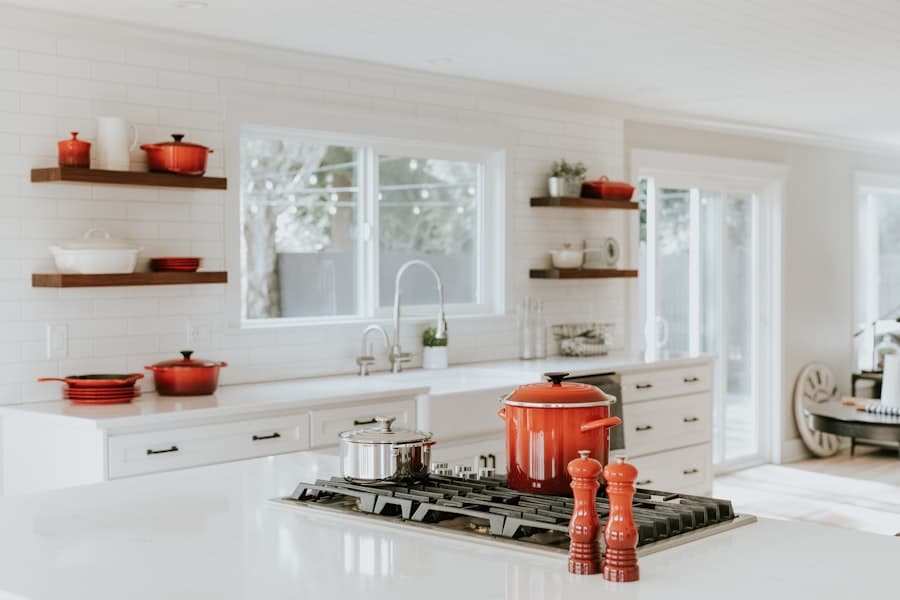
Bathrooms are often overlooked when it comes to pest control, yet they can serve as a breeding ground for various insects. The combination of moisture and warmth creates an ideal habitat for pests like silverfish, cockroaches, and even drain flies. You may find these creatures lurking in corners or emerging from drains, which can be unsettling.
To combat this issue, it’s important to keep your bathroom dry and well-ventilated. You should regularly inspect areas prone to moisture buildup, such as under sinks and around bathtubs. Fix any leaks promptly and consider using a dehumidifier if necessary.
Additionally, keeping your bathroom tidy by decluttering and regularly cleaning surfaces can deter pests from taking up residence. By maintaining a clean and dry environment, you can significantly reduce the chances of encountering pests in your bathroom.
The Basement: A Haven for Pests
Basements are often dark, damp, and rarely visited spaces in your home, making them an ideal haven for pests. Rodents like mice and rats are particularly drawn to these areas due to the abundance of hiding spots and potential food sources. You may not realize it, but your basement could be harboring unwanted guests that can quickly multiply if left unchecked.
It’s essential to conduct regular inspections of this area to identify any signs of pest activity. To prevent infestations in your basement, consider sealing any cracks or openings in the foundation and ensuring that windows are properly screened. Additionally, keeping the area dry is crucial; using a dehumidifier can help control moisture levels.
Regularly decluttering your basement will also minimize hiding spots for pests. By taking these steps, you can create an unwelcoming environment for pests in your basement.
The Attic: A Common Area for Pest Infestations
Your attic may seem like an unlikely place for pests to thrive, but it can be a common area for infestations. Many homeowners neglect this space, allowing it to become a sanctuary for rodents, bats, and insects. The insulation and warmth found in attics provide an ideal environment for these creatures to nest and breed.
You might hear scratching noises or find droppings that indicate a pest problem is brewing. To keep your attic pest-free, it’s important to conduct regular inspections and maintenance. Check for any signs of entry points, such as gaps around vents or chimneys, and seal them promptly.
Additionally, ensure that insulation is not damaged or disturbed, as this can attract pests seeking shelter. By being proactive about attic maintenance, you can prevent infestations from taking hold in this often-overlooked area.
The Garage: A Target for Pests

How Pests Enter Your Garage
Pests can easily make their way into your garage through small openings or gaps in doors.
Organizational Strategies to Deter Pests
To deter pests from invading your garage, consider implementing a few organizational strategies. Store items in sealed containers rather than leaving them exposed to the elements.
Maintaining a Pest-Free Garage
Regularly clean the garage floor and remove any debris that could provide shelter for pests. Additionally, ensure that doors are tightly sealed when closed to prevent entry. By maintaining a tidy garage, you can significantly reduce the risk of pest infestations.
The Yard and Outdoor Spaces: Attracting Pests to the Home
Your yard and outdoor spaces play a significant role in attracting pests to your home. Overgrown vegetation, standing water, and debris can create ideal habitats for insects and rodents that may eventually find their way indoors. You might not realize how much your landscaping choices impact pest activity until you start noticing unwanted visitors inside your home.
To minimize pest attraction from your yard, consider maintaining a well-kept landscape. Regularly trim bushes and trees to prevent them from touching your home’s exterior, as this provides easy access for pests. Additionally, eliminate standing water by ensuring proper drainage around your property.
Keeping outdoor spaces clean and tidy will help create an uninviting environment for pests before they even reach your doorstep.
The Living Room and Bedrooms: Potential Sites for Pest Infestations
While you may think of living rooms and bedrooms as safe havens from pests, they can also be potential sites for infestations. Bed bugs are notorious for making their homes in mattresses and bedding, while ants or spiders may find their way into living spaces through cracks or openings. You might be surprised at how easily these pests can infiltrate areas where you spend most of your time.
To protect your living spaces from infestations, consider implementing preventive measures such as regular vacuuming and inspecting furniture for signs of pests. Wash bedding frequently in hot water to eliminate any potential bed bugs or eggs that may have made their way into your home. Additionally, sealing any gaps around windows and doors will help keep unwanted visitors out.
By being vigilant about pest control in these areas, you can maintain a comfortable living environment.
The Laundry Room: A Place for Pests to Thrive
The laundry room is another area that often goes unnoticed when it comes to pest control. The combination of moisture from washing machines and warmth from dryers creates an inviting atmosphere for pests like silverfish and moths. You may find these insects lurking among your clothes or even damaging fabrics if left unchecked.
To prevent infestations in your laundry room, ensure that it is well-ventilated and dry. Regularly clean lint traps in dryers and check for any signs of moisture buildup around washing machines. Storing laundry detergent in sealed containers can also deter pests from being attracted to the area.
By maintaining cleanliness and dryness in your laundry room, you can significantly reduce the risk of pest problems.
The Storage Areas: Vulnerable to Pest Infestations
Storage areas throughout your home are often vulnerable to pest infestations due to their cluttered nature and lack of regular maintenance. Whether it’s a closet filled with seasonal items or a shed packed with tools, these spaces can provide ample hiding spots for pests seeking shelter or food sources. You might not realize how easily these areas can become breeding grounds for unwanted critters until you start noticing signs of infestation.
To protect your storage areas from pests, consider implementing an organizational system that allows for easy access and visibility of items stored away. Regularly inspect these spaces for signs of pest activity or damage to stored items. Additionally, using airtight containers for clothing or other materials will help keep pests at bay while maintaining organization within the space.
By being proactive about storage maintenance, you can minimize the risk of infestations occurring.
Preventing and Managing Pest Infestations in the Home
Preventing and managing pest infestations in your home requires vigilance and proactive measures across all areas of your living space. By understanding where pests are likely to thrive—such as kitchens, bathrooms, basements, attics, garages, yards, living rooms, laundry rooms, and storage areas—you can take steps to create an unwelcoming environment for them. Regular cleaning routines combined with proper maintenance will go a long way toward keeping your home pest-free.
In addition to preventive measures, staying informed about common pest behaviors will help you recognize potential issues early on before they escalate into full-blown infestations. If you do encounter a significant problem despite your best efforts at prevention, don’t hesitate to seek professional assistance from pest control experts who can provide tailored solutions based on your specific situation. By taking these steps seriously now, you’ll be able to enjoy peace of mind knowing that you’ve done everything possible to protect your home from unwanted invaders.
Are There Specific Areas of the Home That Are More Prone to Pest Infestations? According to a recent article on Thrifty Pest Control, certain areas of the home are more susceptible to pest infestations than others. The article highlights the importance of regular pest control services in Atlanta, Georgia, to prevent infestations in common trouble spots such as kitchens, bathrooms, and basements. By addressing these specific areas proactively, homeowners can effectively keep pests at bay and maintain a pest-free home environment.
FAQs
What are the specific areas of the home that are more prone to pest infestations?
Certain areas of the home, such as the kitchen, pantry, and bathroom, are more prone to pest infestations due to the presence of food, moisture, and hiding spots.
Why is the kitchen more prone to pest infestations?
The kitchen is a common area for pest infestations due to the presence of food crumbs, spills, and stored food items that can attract pests such as ants, cockroaches, and rodents.
What makes the pantry susceptible to pest infestations?
Pantry areas are prone to pest infestations because they often contain stored food items that can attract pests like pantry moths, beetles, and rodents if not properly sealed and stored.
How does moisture in the bathroom contribute to pest infestations?
Moisture in the bathroom can attract pests such as silverfish, cockroaches, and drain flies, as they thrive in damp environments and can find hiding spots in areas like under sinks and around drains.
Are there other areas of the home that are prone to pest infestations?
Other areas of the home that are prone to pest infestations include basements, attics, and crawl spaces, as they provide dark, undisturbed environments that can attract pests like spiders, rodents, and termites.