
Biological control is a method of managing pests and diseases through the use of natural predators, parasites, or pathogens. This approach is rooted in the understanding that ecosystems are complex networks where various organisms interact with one another. By harnessing these natural relationships, you can reduce the reliance on chemical pesticides, which often have detrimental effects on the environment and human health.
The essence of biological control lies in its ability to create a balance within ecosystems, allowing for sustainable agricultural practices that can lead to healthier crops and reduced pest populations. As you delve deeper into biological control, it becomes clear that this method is not merely about eliminating pests but rather about fostering a healthy ecosystem. You may find that biological control involves a variety of strategies, including the introduction of beneficial organisms, habitat manipulation, and conservation of existing natural enemies.
Understanding these dynamics is crucial for anyone looking to implement biological control effectively. It requires a keen observation of the local environment and an appreciation for the intricate relationships that exist among various species.
Key Takeaways
- Biological control is the use of natural enemies to manage pest populations in agriculture and other ecosystems.
- Types of biological control include classical, conservation, and augmentative biological control methods.
- Biological control offers benefits such as reduced pesticide use, minimal environmental impact, and long-term pest management.
- Implementing biological control involves careful selection and release of natural enemies, monitoring pest populations, and maintaining a balanced ecosystem.
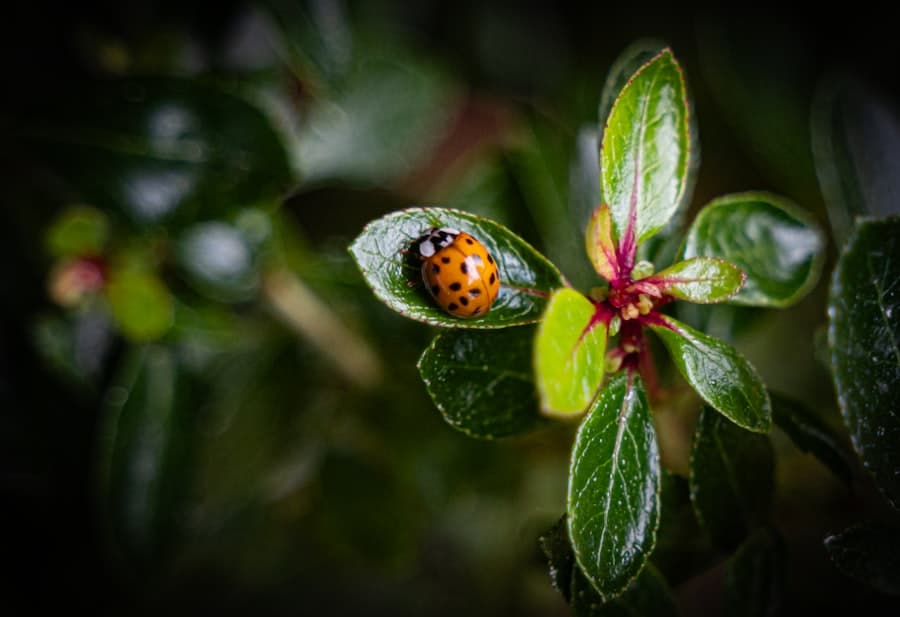
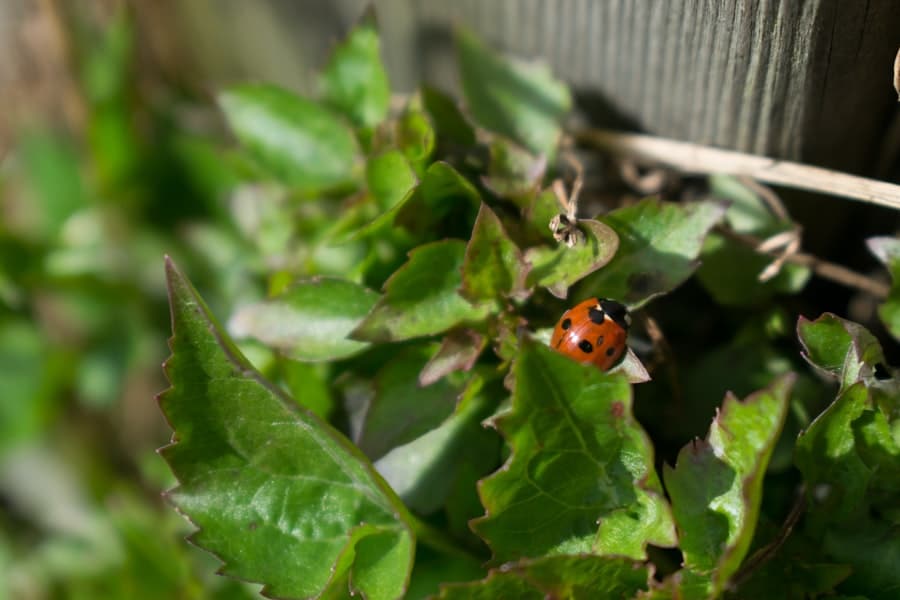
- Successful examples of biological control include the use of ladybugs to control aphids and the introduction of parasitic wasps to manage caterpillar populations.
Types of Biological Control
There are three primary types of biological control: classical, augmentative, and conservation. Classical biological control involves the introduction of a natural enemy from a pest’s native habitat to control its population in a new environment. This method has been successfully employed in various agricultural settings, where specific predators or parasites have been introduced to manage invasive pest species.
As you explore this type of control, you will discover that it often requires extensive research and careful planning to ensure that the introduced species does not become invasive itself. Augmentative biological control, on the other hand, focuses on enhancing the existing populations of natural enemies. This can be achieved through the periodic release of beneficial organisms or by improving their habitats to encourage their proliferation.
You might consider this approach if you are looking for a more immediate solution to pest problems, as it can provide quicker results compared to classical methods. Lastly, conservation biological control emphasizes protecting and enhancing the natural enemies already present in the ecosystem. This can involve practices such as planting cover crops or providing habitats that support beneficial insects.
By understanding these different types of biological control, you can choose the most appropriate strategy for your specific situation.
Benefits of Biological Control
The benefits of biological control are numerous and far-reaching. One of the most significant advantages is its potential to reduce chemical pesticide use, which can lead to a healthier environment. By relying on natural predators and parasites, you can minimize the risks associated with chemical residues in food and water supplies.
This not only benefits human health but also supports biodiversity by preserving non-target species that might otherwise be harmed by conventional pest management practices. In addition to environmental benefits, biological control can also lead to economic advantages for farmers and landowners. By reducing reliance on expensive chemical inputs, you can lower production costs while maintaining crop yields.
Furthermore, biological control often results in more sustainable pest management practices that can enhance soil health and promote long-term agricultural productivity. As you consider these benefits, it becomes evident that biological control is not just an alternative pest management strategy; it is a holistic approach that aligns with the principles of sustainable agriculture.
How to Implement Biological Control
Implementing biological control requires careful planning and consideration of various factors within your ecosystem. The first step is to conduct a thorough assessment of the pest problem you are facing. This includes identifying the specific pests involved, understanding their life cycles, and recognizing their natural enemies.
By gathering this information, you can make informed decisions about which biological control agents may be most effective in your situation. Once you have identified potential biological control agents, you will need to consider their compatibility with your existing ecosystem. This involves evaluating factors such as climate, habitat availability, and the presence of other species that may interact with your chosen agents.
You may also want to consult with local agricultural extension services or entomologists who can provide guidance on best practices for introducing and managing these organisms. By taking a systematic approach to implementation, you can increase the likelihood of success in your biological control efforts.
Examples of Successful Biological Control
Throughout history, there have been numerous successful examples of biological control that demonstrate its effectiveness in managing pest populations. One notable case is the introduction of the vedalia beetle (Rodolia cardinalis) to control cottony cushion scale (Icerya purchasi) in California during the late 19th century. The vedalia beetle proved to be a highly effective predator, significantly reducing scale populations and saving the California citrus industry from potential collapse.
This case highlights how carefully selected natural enemies can provide substantial benefits when introduced into an ecosystem. Another compelling example is the use of parasitic wasps to manage aphid populations in various crops. These tiny wasps lay their eggs inside aphids, ultimately leading to the aphids’ demise while allowing the wasps to thrive.
Farmers who have adopted this method have reported significant reductions in aphid infestations without resorting to chemical pesticides. These success stories illustrate not only the potential of biological control but also its ability to foster resilience within agricultural systems.
Challenges and Limitations of Biological Control
Despite its many advantages, biological control is not without challenges and limitations. One significant hurdle is the time required for natural enemies to establish themselves and effectively reduce pest populations. Unlike chemical pesticides that can provide immediate results, biological control often necessitates patience and long-term commitment.
You may find that initial pest outbreaks can still occur while beneficial organisms are becoming established in your ecosystem. Another challenge lies in the unpredictability of ecological interactions. The introduction of a new species can sometimes lead to unintended consequences, such as competition with native species or even the establishment of new pest problems.
It is essential to conduct thorough research and risk assessments before implementing biological control strategies to mitigate these potential issues. By being aware of these challenges, you can better prepare yourself for the complexities involved in biological pest management.
Integrating Biological Control with Other Pest Management Strategies
To maximize the effectiveness of biological control, it is often beneficial to integrate it with other pest management strategies. This holistic approach allows you to create a more resilient agricultural system that can withstand various challenges. For instance, combining biological control with cultural practices such as crop rotation or intercropping can enhance overall pest management efforts while promoting soil health.
You might also consider integrating biological control with chemical methods when necessary. While it is essential to minimize chemical use, there may be situations where targeted applications are required to protect crops from severe infestations. By using chemicals judiciously and in conjunction with biological control agents, you can strike a balance that supports both immediate crop protection and long-term sustainability.
Future Trends in Biological Control
As you look toward the future of biological control, several trends are emerging that could shape its development and implementation. One significant trend is the increasing use of technology in pest management practices. Advances in precision agriculture and data analytics allow for more targeted applications of biological control agents, improving their effectiveness while minimizing waste.
Additionally, there is a growing emphasis on research into native species as potential biological control agents. By focusing on organisms that are already adapted to local ecosystems, you can enhance the chances of successful pest management while preserving biodiversity. As awareness of environmental issues continues to rise, it is likely that biological control will play an increasingly vital role in sustainable agriculture practices worldwide.
In conclusion, understanding and implementing biological control offers a promising pathway toward sustainable pest management. By recognizing its various types, benefits, challenges, and integration strategies, you can make informed decisions that contribute to healthier ecosystems and agricultural practices. As you explore future trends in this field, you will find that biological control not only addresses current pest challenges but also aligns with broader goals of environmental stewardship and sustainability.
Biological control is an effective and environmentally friendly method for managing pest populations, utilizing natural predators and parasites to keep harmful insects in check. For those interested in exploring pest control options in specific regions, a related article on the best pest control services can provide valuable insights. For instance, you can read about the top pest control services in Laredo, Texas, by visiting this link: Best Pest Control Service in Laredo, Texas. This resource highlights various strategies, including biological control methods, that can be employed to maintain a pest-free environment.
FAQs
What is biological control for pests?
Biological control for pests is the use of natural enemies, such as predators, parasites, and pathogens, to manage pest populations and reduce their impact on crops and other plants.
How does biological control work?
Biological control works by introducing or enhancing the presence of natural enemies of pests in a given area. These natural enemies then feed on or otherwise attack the pests, reducing their numbers and preventing damage to crops or other plants.
What are some examples of biological control agents?
Examples of biological control agents include ladybugs, lacewings, parasitic wasps, nematodes, and certain fungi and bacteria. These organisms can be used to control a wide range of pests, including aphids, caterpillars, and mites.
What are the advantages of biological control for pests?
Some advantages of biological control for pests include its environmentally friendly nature, its ability to target specific pests while minimizing harm to non-target organisms, and its potential for long-term pest management without the need for chemical pesticides.
Are there any limitations to biological control for pests?
Limitations of biological control for pests include the potential for natural enemies to not establish or persist in a given area, the time it takes for biological control to become effective, and the need for careful monitoring and management to ensure success.