
Mosquitoes are often regarded as one of the most annoying pests that invade our outdoor spaces, but their impact goes far beyond mere irritation. These tiny insects belong to the family Culicidae and are known for their ability to transmit various diseases, including malaria, dengue fever, Zika virus, and West Nile virus. As you step outside during warm months, you may find yourself swatting at these relentless creatures, but understanding their behavior and biology can help you take effective measures against them.
The life cycle of a mosquito consists of four stages: egg, larva, pupa, and adult. Each stage plays a crucial role in their proliferation, and understanding this cycle can empower you to combat their presence effectively. While only female mosquitoes bite humans and animals to obtain blood necessary for egg production, both male and female mosquitoes feed on nectar and plant juices.
This dual feeding behavior highlights the adaptability of these insects and underscores the importance of taking proactive steps to minimize their presence around your home.
Key Takeaways
- Mosquitoes are small flying insects that are known for their itchy bites and ability to transmit diseases such as malaria, dengue, and Zika virus.
- Factors that attract mosquitoes to your house include standing water, body heat, and carbon dioxide from breathing.
- Environmental conditions that favor mosquitoes include warm temperatures, high humidity, and dense vegetation.
- Breeding sites for mosquitoes include stagnant water in containers, clogged gutters, and unattended pools or ponds.
- Common mistakes that make mosquito problems worse include overwatering plants, leaving out uncovered trash cans, and ignoring standing water around the house.
Factors that Attract Mosquitoes to Your House
Outdoor Activities and Peak Mosquito Season
If you spend time outdoors, especially during dusk or dawn when mosquitoes are most active, you may find yourself more susceptible to bites. Another significant factor is body heat and sweat. Mosquitoes are attracted to warmth and the lactic acid found in sweat, which can make outdoor activities particularly challenging during peak mosquito season.
Avoiding Certain Scents and Minimizing Appeal
Additionally, certain scents from perfumes, lotions, and even some foods can lure these pests closer to you. By being mindful of these attractants, you can take steps to minimize your appeal to mosquitoes and reduce your chances of being bitten.
Environmental Conditions that Favor Mosquitoes
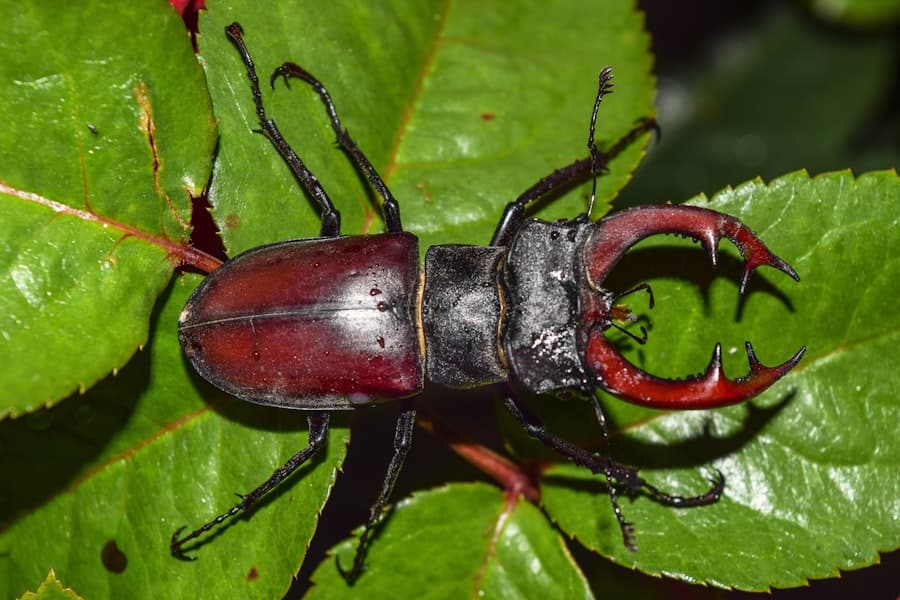
The environment plays a crucial role in determining mosquito populations. Warm temperatures and high humidity create ideal conditions for these insects to thrive. Mosquitoes are most active in temperatures ranging from 70°F to 90°F (21°C to 32°C), and they require moisture for breeding.
If you live in a region with a warm climate or experience a particularly humid summer, you may notice an uptick in mosquito activity around your home. Moreover, stagnant water is a significant contributor to mosquito proliferation. These insects require standing water for their eggs to hatch and develop into larvae.
Even small amounts of water, such as in bird baths, clogged gutters, or plant saucers, can become breeding grounds for mosquitoes. By understanding the environmental conditions that favor mosquito populations, you can take proactive measures to create an inhospitable environment for them.
Breeding Sites for Mosquitoes
Identifying potential breeding sites around your home is crucial in controlling mosquito populations. Female mosquitoes lay their eggs in or near standing water, which serves as a nursery for their young. Common breeding sites include ponds, marshes, and swamps; however, they can also be found in more unexpected places like discarded tires, flower pots, and even pet water bowls.
To effectively combat mosquito breeding, it’s essential to regularly inspect your property for any stagnant water sources. Emptying containers that collect rainwater and ensuring proper drainage in your yard can significantly reduce the likelihood of mosquitoes laying eggs nearby. Additionally, consider using larvicides in larger bodies of water that cannot be drained; these products target mosquito larvae without harming other wildlife.
Common Mistakes that Make Mosquito Problems Worse
Many homeowners unknowingly contribute to their mosquito problems through common mistakes. One prevalent error is neglecting yard maintenance. Overgrown vegetation provides shelter for adult mosquitoes and creates a humid microclimate conducive to breeding.
Regularly mowing your lawn and trimming back shrubs can help reduce these hiding spots and make your yard less inviting to mosquitoes. Another mistake is failing to address standing water promptly. Even small amounts of water can serve as breeding grounds for mosquitoes if left unchecked.
It’s essential to routinely check your property for any containers or areas where water may accumulate and take action to eliminate them. By being proactive about yard maintenance and water management, you can significantly decrease the chances of a mosquito infestation.
Natural Predators of Mosquitoes
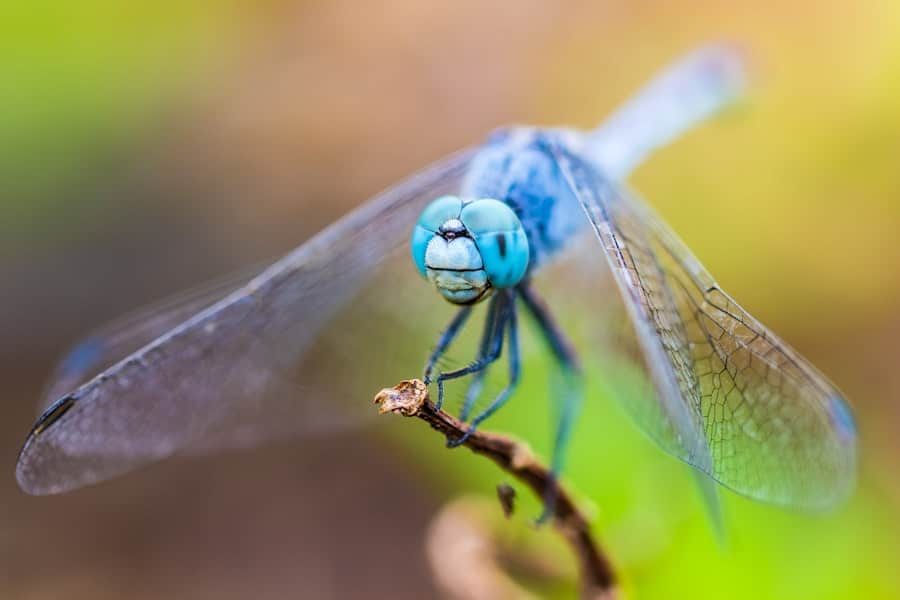
While mosquitoes may seem like an unstoppable force, nature has equipped us with several natural predators that help keep their populations in check. Birds such as swallows and purple martins are known for their voracious appetites for flying insects, including mosquitoes. Bats also play a significant role in controlling mosquito populations; a single bat can consume thousands of insects in one night.
In addition to birds and bats, certain insects like dragonflies and damselflies are effective predators of mosquito larvae and adults alike. Encouraging these natural predators in your garden can be an effective way to manage mosquito populations without resorting to chemical pesticides. Planting native flowers that attract these beneficial species can create a balanced ecosystem that helps keep mosquitoes at bay.
Effective Mosquito Control Measures
To effectively control mosquito populations around your home, a multi-faceted approach is often necessary. One of the most effective measures is the use of insect repellents containing DEET or picaridin when spending time outdoors. These products create a barrier against mosquitoes and significantly reduce the likelihood of bites.
In addition to personal protection measures, consider implementing physical barriers such as screens on windows and doors to prevent mosquitoes from entering your home. Installing mosquito nets over outdoor seating areas can also provide relief during gatherings or family barbecues. Furthermore, utilizing outdoor fans can help disperse carbon dioxide and create airflow that makes it difficult for mosquitoes to fly close to you.
Conclusion and Summary of Tips for Mosquito Prevention
In conclusion, understanding the behavior and biology of mosquitoes is essential for effective prevention and control measures. By recognizing the factors that attract these pests to your home—such as carbon dioxide emissions, body heat, and stagnant water—you can take proactive steps to minimize their presence. Regular yard maintenance, prompt removal of standing water, and encouraging natural predators are all effective strategies for keeping mosquito populations in check.
As you prepare for outdoor activities during warmer months, remember to use insect repellents and create physical barriers around your home. By implementing these tips and being vigilant about your surroundings, you can enjoy your outdoor spaces without the constant annoyance of mosquitoes buzzing around you. With a little effort and awareness, you can reclaim your yard from these pesky invaders and enjoy a more pleasant outdoor experience.
If you’re wondering why mosquitoes are so bad at your house, you may want to consider implementing smart tech solutions for a bug-free home. This article on pest control in the digital age offers valuable insights into how technology can help keep pests at bay. Additionally, if you’re looking for the best pest control service in Oakland, California or Baton Rouge, Louisiana, be sure to check out these articles on Oakland and Baton Rouge for recommendations on top-notch pest control companies in these areas.
FAQs
Why are mosquitoes so bad at my house?
Mosquitoes are attracted to standing water, which provides a breeding ground for them to lay their eggs. If your house has areas with standing water, such as bird baths, clogged gutters, or containers that collect rainwater, it can attract mosquitoes.
What attracts mosquitoes to my house?
Mosquitoes are attracted to carbon dioxide, body heat, and certain odors emitted by humans. They are also attracted to standing water, where they lay their eggs and breed.
How can I reduce the mosquito population at my house?
To reduce the mosquito population at your house, you can eliminate standing water, use mosquito repellents, install screens on windows and doors, and use mosquito traps. Additionally, you can plant mosquito-repelling plants such as citronella, lavender, and marigolds in your garden.
Are there certain times of day when mosquitoes are more active?
Mosquitoes are most active during dawn and dusk, as well as in the evening and at night. They are less active during the heat of the day.
Do mosquitoes prefer certain types of people?
Mosquitoes are attracted to certain individuals based on factors such as body heat, carbon dioxide emissions, and body odors. They may also be attracted to individuals with certain blood types.