
Insect pest management is a critical aspect of agriculture and horticulture, as it directly impacts crop yield and quality. As you delve into this field, you will discover that managing insect pests is not merely about extermination; it involves a comprehensive understanding of ecosystems, pest behavior, and the intricate relationships between various organisms. The goal of insect pest management is to minimize the damage caused by pests while ensuring that the methods employed are environmentally sustainable and economically viable.
This balance is essential for maintaining healthy ecosystems and promoting biodiversity. As you explore the various strategies for managing insect pests, you will encounter a range of techniques that can be employed. These include cultural practices, mechanical controls, chemical applications, and biological control methods.
Each approach has its advantages and limitations, and the most effective pest management strategies often involve an integrated approach that combines multiple methods. By understanding the principles of insect pest management, you can make informed decisions that not only protect your crops but also contribute to the overall health of the environment.
Key Takeaways
- Insect pest management is essential for protecting crops and reducing economic losses.
- Natural predators, such as ladybugs and lacewings, play a crucial role in controlling insect pests in agricultural settings.
- Biological control methods, including the use of parasitoids and predatory insects, offer sustainable and environmentally friendly solutions for managing insect pests.
- Parasitoids are insects that lay their eggs inside other insects, ultimately killing the host and controlling pest populations.
- Integrating natural predators and biological control methods can provide a comprehensive and sustainable approach to managing insect pests in agriculture.
Natural Predators of Insect Pests
One of the most fascinating aspects of insect pest management is the role of natural predators in controlling pest populations. As you study these predators, you will find that they play a vital role in maintaining ecological balance. Predatory insects, such as ladybugs, lacewings, and spiders, are nature’s own pest control agents.
They feed on various pest species, helping to keep their populations in check. By fostering an environment that supports these natural predators, you can enhance your pest management efforts significantly. Encouraging natural predators involves creating habitats that attract them to your garden or agricultural fields.
This can be achieved by planting diverse flora that provides food and shelter for these beneficial insects. For instance, flowering plants can supply nectar and pollen, which are essential for adult predatory insects. Additionally, providing ground cover and undisturbed areas can create suitable nesting sites for these predators.
By understanding the needs of natural predators and implementing strategies to support them, you can create a more resilient ecosystem that naturally regulates pest populations.
Biological Control Methods for Insect Pests
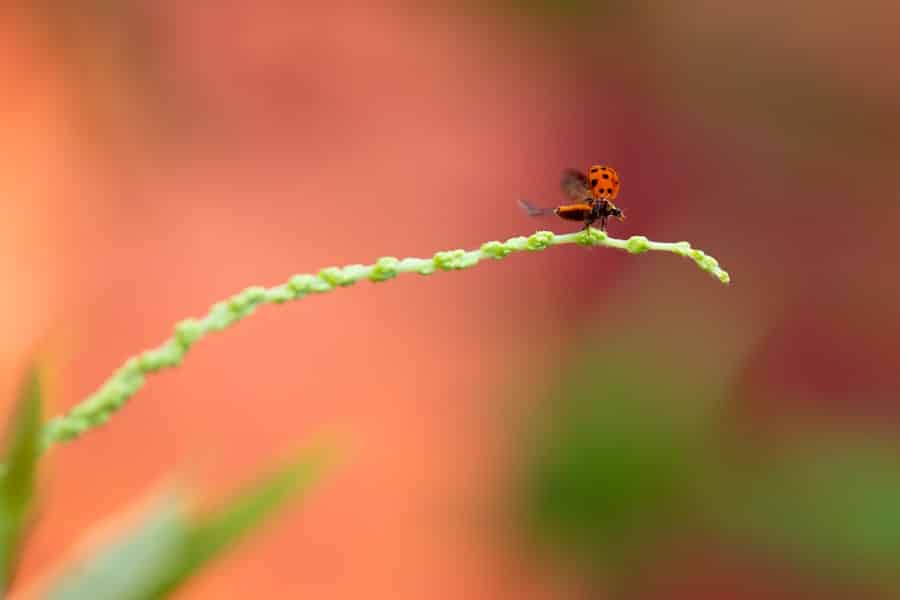
Biological control methods represent a sustainable approach to managing insect pests by utilizing living organisms to suppress pest populations. As you explore this area, you will discover that biological control can take many forms, including the introduction of natural enemies, the use of pathogens, and the enhancement of existing populations of beneficial organisms. This method not only reduces reliance on chemical pesticides but also promotes biodiversity and ecological health.
One effective biological control strategy is the release of specific predatory insects or parasitoids into an area infested with pests. For example, introducing parasitic wasps that target aphids can significantly reduce their numbers without harming other beneficial insects. Additionally, you may consider using microbial agents such as bacteria or fungi that specifically target pest species while leaving non-target organisms unharmed.
By employing these biological control methods, you can create a more balanced ecosystem where natural processes help manage pest populations effectively.
The Role of Parasitoids in Insect Pest Management
Parasitoids are a unique group of organisms that play a crucial role in insect pest management. These organisms, which include certain wasps and flies, lay their eggs inside or on the bodies of host insects. As the parasitoid larvae develop, they consume their host from the inside out, ultimately leading to the host’s death.
This fascinating life cycle makes parasitoids highly effective biological control agents against various pest species. As you learn more about their role in pest management, you will appreciate their potential to reduce pest populations significantly. Incorporating parasitoids into your pest management strategy requires careful consideration of their life cycles and host preferences.
You may need to conduct research to identify which parasitoids are most effective against specific pests in your area. Once identified, you can introduce these beneficial organisms into your ecosystem or create conditions that encourage their natural presence. By harnessing the power of parasitoids, you can develop a more sustainable approach to managing insect pests while minimizing the use of chemical pesticides.
Using Predatory Insects for Insect Pest Control
Predatory insects are among the most effective allies in your quest for effective insect pest control. These beneficial insects actively hunt and consume pest species, providing a natural means of population regulation. As you explore this method further, you will find that various predatory insects can be employed depending on the specific pests you are dealing with.
For instance, ladybugs are well-known for their voracious appetite for aphids, while predatory mites can help control spider mites and thrips. To maximize the effectiveness of predatory insects in your pest management strategy, it is essential to understand their life cycles and habitat preferences. You may want to create an environment that supports their survival by providing food sources and shelter.
Planting a diverse array of flowering plants can attract these beneficial insects while also providing them with nectar and pollen. By fostering a habitat conducive to predatory insects, you can enhance their populations and improve your overall pest management efforts.
Microbial Control of Insect Pests
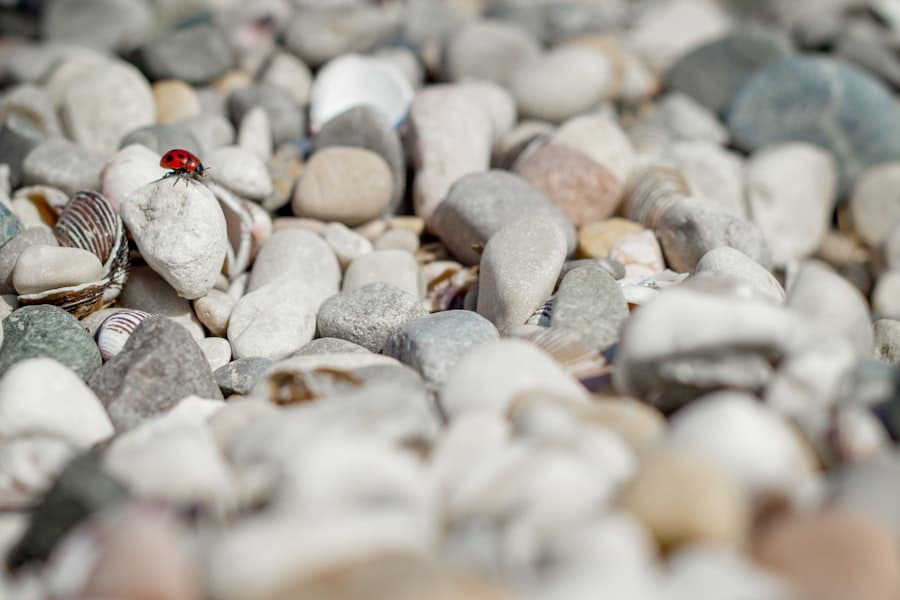
Microbial control is an innovative approach to managing insect pests that involves using microorganisms such as bacteria, fungi, or viruses to target specific pest species. This method offers several advantages over traditional chemical pesticides, including reduced environmental impact and lower risks to non-target organisms. As you delve into microbial control methods, you will discover that they can be highly effective in suppressing pest populations while promoting ecological balance.
One well-known example of microbial control is the use of Bacillus thuringiensis (Bt), a bacterium that produces toxins harmful to certain insect larvae. When applied to crops, Bt can effectively reduce populations of caterpillars and other pests without affecting beneficial insects or pollinators. Additionally, entomopathogenic fungi can infect and kill various insect pests by penetrating their exoskeletons and proliferating within their bodies.
By incorporating microbial control methods into your pest management strategy, you can achieve effective results while minimizing harm to the environment.
Plant-Based Control Methods for Insect Pests
Plant-based control methods offer another sustainable approach to managing insect pests by utilizing natural compounds derived from plants to deter or eliminate pests. As you explore this area, you will find that many plants possess inherent properties that make them unappealing or harmful to certain insect species. For instance, plants like neem and pyrethrum contain compounds that disrupt insect growth or repel them altogether.
Incorporating plant-based control methods into your pest management strategy can be as simple as planting specific species known for their pest-repelling properties alongside your crops. Additionally, you may consider using plant extracts or essential oils as natural pesticides to target specific pests without harming beneficial organisms. By harnessing the power of nature through plant-based control methods, you can create a more sustainable approach to managing insect pests while promoting biodiversity in your garden or agricultural setting.
Integrating Natural Predators and Biological Control Methods for Sustainable Pest Management
The integration of natural predators and biological control methods represents a holistic approach to sustainable pest management. As you consider this strategy, it becomes clear that combining various techniques can lead to more effective results than relying on any single method alone. By fostering an environment that supports natural predators while simultaneously employing biological control agents like parasitoids and microbial solutions, you can create a resilient ecosystem capable of managing pest populations effectively.
To successfully integrate these approaches into your pest management plan, it is essential to monitor pest populations regularly and assess the effectiveness of your strategies. You may need to adjust your methods based on changing conditions or emerging pest threats. By remaining adaptable and open to new ideas, you can develop a comprehensive pest management strategy that not only protects your crops but also contributes to the overall health of the environment.
Embracing this integrated approach will empower you to become a more effective steward of your land while promoting sustainable practices in agriculture and horticulture.
Are There Natural Predators or Biological Control Methods for Managing Insect Pests? explores the various ways in which pests can be controlled without the use of harmful chemicals. For more information on combating pests in a safe and effective manner, check out the article Pests and Allergies: The Surprising Connection and How to Combat It. This article delves into the relationship between pests and allergies, offering tips on how to address both issues simultaneously.
FAQs
What are natural predators?
Natural predators are organisms that hunt, catch, and consume other organisms for food. In the context of managing insect pests, natural predators are animals that feed on insect pests, helping to control their populations.
What are some examples of natural predators for insect pests?
Some examples of natural predators for insect pests include ladybugs, lacewings, parasitic wasps, spiders, birds, and certain species of beetles and ants. These predators help to keep insect pest populations in check by feeding on them.
What are biological control methods for managing insect pests?
Biological control methods for managing insect pests involve the use of natural enemies, such as predators, parasites, and pathogens, to reduce pest populations. This can be achieved through the introduction of natural enemies, conservation of existing natural enemies, or manipulation of the environment to enhance their effectiveness.
How do natural predators and biological control methods help in managing insect pests?
Natural predators and biological control methods help in managing insect pests by reducing their populations, thus minimizing the damage they cause to crops and other plants. This can lead to a decrease in the need for chemical pesticides, which can have negative impacts on the environment and human health.
Are there any potential drawbacks to using natural predators or biological control methods for managing insect pests?
While natural predators and biological control methods can be effective in managing insect pests, there are potential drawbacks to consider. These may include the potential for non-target effects on other organisms, the time it takes for natural enemies to build up populations, and the need for careful monitoring and management to ensure effectiveness.