
To effectively manage mosquito populations, it is crucial to understand their behavior and preferred habitats. Mosquitoes thrive in warm, humid environments, which is why they are most active during the warmer months. They are particularly drawn to areas with standing water, as this is where they lay their eggs.
You may notice that they are more prevalent during dawn and dusk, as these times provide optimal conditions for feeding. By familiarizing yourself with their habits, you can better anticipate their presence and take proactive measures to mitigate their impact on your outdoor activities. In addition to temperature and humidity, mosquitoes are also attracted to certain scents and carbon dioxide emissions from humans and animals.
This means that when you spend time outdoors, you may inadvertently draw them closer. Understanding these behavioral patterns can help you strategize your outdoor plans. For instance, if you know that mosquitoes are more active in the evening, you might choose to host gatherings earlier in the day or take precautions such as wearing protective clothing or using repellents.
By being aware of how mosquitoes operate, you can create a more enjoyable outdoor experience for yourself and your guests.
Key Takeaways
- Mosquitoes are most active during dawn and dusk, and they are attracted to standing water, body heat, and carbon dioxide.
- Potential breeding sites on your property include bird baths, clogged gutters, and containers that collect rainwater.
- Natural mosquito control methods include introducing mosquito-eating fish to water features and using bacterial larvicides.
- Plants like citronella, lavender, and marigold, as well as essential oils like lemon eucalyptus, can act as natural mosquito repellents.
- Mosquito-repellent devices and traps, such as electric bug zappers and CO2 traps, can help reduce mosquito populations on your property.
Identifying Potential Breeding Sites on Your Property
One of the most effective ways to control mosquito populations is by identifying and eliminating potential breeding sites on your property. Mosquitoes require stagnant water to reproduce, so any areas where water collects can become a breeding ground. You should start by inspecting your yard for items that can hold water, such as old tires, buckets, or clogged gutters.
Even small amounts of water can be enough for mosquitoes to lay their eggs, so it’s essential to be thorough in your search. In addition to man-made containers, natural features like ponds or birdbaths can also serve as breeding sites. If you have a pond on your property, consider introducing fish that feed on mosquito larvae, or regularly change the water in birdbaths to disrupt the mosquito life cycle.
By taking these steps, you can significantly reduce the number of mosquitoes in your area. Regularly monitoring your property for new potential breeding sites will help you stay ahead of any infestations before they become a significant problem.
Implementing Natural and Chemical Mosquito Control Methods

When it comes to controlling mosquito populations, you have a variety of options at your disposal, including both natural and chemical methods. Natural methods often involve introducing predators that feed on mosquito larvae or using organic solutions that disrupt their life cycle. For example, you might consider using Bacillus thuringiensis israelensis (Bti), a naturally occurring bacterium that targets mosquito larvae without harming other wildlife.
This method is particularly effective in standing water sources where mosquitoes breed. On the other hand, chemical control methods can provide immediate relief from adult mosquito populations. Insecticides designed specifically for mosquitoes can be applied to areas where they are most active.
However, it’s essential to use these chemicals responsibly and follow all safety guidelines to minimize any potential harm to beneficial insects and the environment. You may also want to consider a combination of both natural and chemical methods for a more comprehensive approach to mosquito control.
Using Mosquito-Repellent Plants and Essential Oils
Incorporating mosquito-repellent plants into your garden can be an effective way to deter these pests naturally. Certain plants, such as citronella grass, lavender, and marigolds, emit scents that mosquitoes find unpleasant. By strategically placing these plants around your outdoor spaces, you can create a natural barrier that helps keep mosquitoes at bay.
Not only do these plants serve a functional purpose, but they also add beauty and fragrance to your garden. In addition to planting repellent flora, you can also utilize essential oils derived from these plants for added protection. Oils such as citronella, eucalyptus, and tea tree oil can be diluted with a carrier oil and applied to your skin as a natural repellent.
You might also consider using essential oil diffusers or candles infused with these scents during outdoor gatherings to create a more pleasant atmosphere while warding off mosquitoes. By embracing both plants and essential oils, you can enhance your outdoor experience while minimizing mosquito encounters.
Installing Mosquito-Repellent Devices and Traps
Another effective strategy for managing mosquito populations is the installation of mosquito-repellent devices and traps around your property. These devices come in various forms, including electric zappers, propane traps, and ultrasonic repellents. Electric zappers attract mosquitoes with light and then eliminate them upon contact, while propane traps lure them in with carbon dioxide emissions before trapping them inside.
Each type of device has its advantages and can be chosen based on your specific needs and preferences. In addition to traps, consider using mosquito-repellent devices that emit scents or sounds designed to deter these pests. Some devices use natural repellents or sound frequencies that are unpleasant for mosquitoes but harmless to humans and pets.
By combining different types of devices, you can create a multi-faceted approach to mosquito control that enhances your outdoor comfort while reducing their numbers significantly.
Maintaining Your Property to Reduce Mosquito Attractiveness
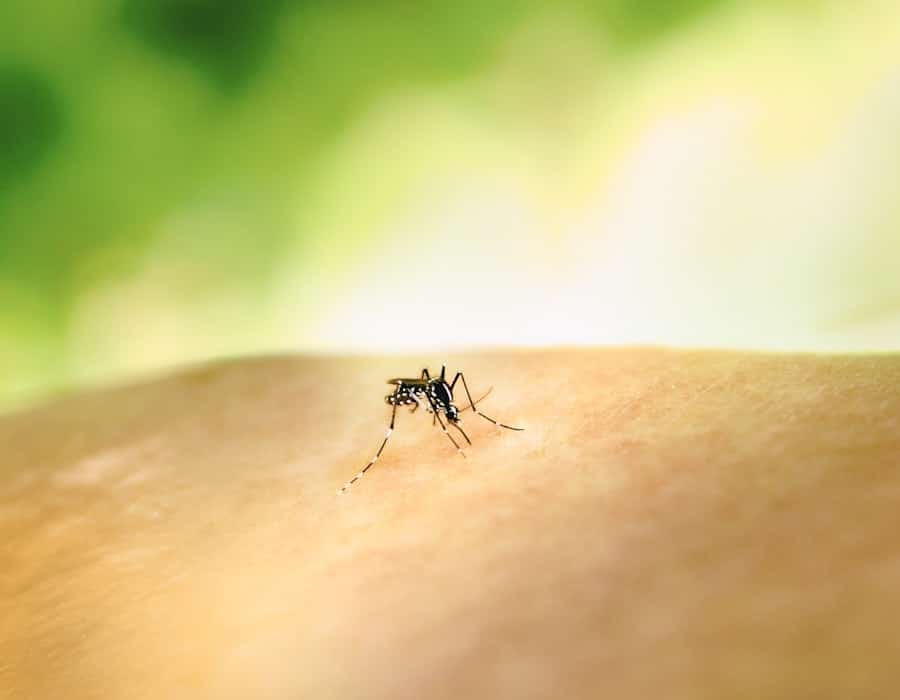
Regular maintenance of your property plays a vital role in reducing its attractiveness to mosquitoes. Keeping your yard tidy by mowing the lawn regularly and trimming overgrown vegetation can help eliminate potential resting spots for adult mosquitoes. Additionally, removing debris such as leaves or branches that can trap moisture will further reduce standing water where mosquitoes breed.
You should also pay attention to drainage issues on your property. If you notice areas where water tends to pool after rainstorms, consider implementing drainage solutions or landscaping changes that promote better water flow. By maintaining a clean and well-drained environment, you can significantly decrease the likelihood of mosquito infestations while creating a more enjoyable outdoor space for yourself and your family.
Understanding the Risks of Mosquito-Borne Diseases
While mosquitoes may seem like a mere nuisance during summer months, it’s essential to recognize the serious health risks they pose through the transmission of various diseases. Mosquitoes are known carriers of illnesses such as West Nile virus, Zika virus, dengue fever, and malaria. Understanding these risks is crucial for protecting yourself and your loved ones from potential health threats.
You should stay informed about local mosquito-borne disease outbreaks in your area and take appropriate precautions when necessary. This may include using insect repellent when spending time outdoors or wearing long sleeves and pants during peak mosquito activity times. By being proactive about your health and safety, you can enjoy outdoor activities while minimizing the risk of contracting diseases associated with mosquito bites.
Seeking Professional Help for Severe Mosquito Infestations
If you find yourself facing a severe mosquito infestation despite your best efforts at prevention and control, it may be time to seek professional help. Pest control experts have access to specialized equipment and treatments that can effectively reduce mosquito populations on your property. They can conduct thorough inspections to identify breeding sites and recommend targeted treatments tailored to your specific situation.
Professional pest control services often employ integrated pest management strategies that combine various methods for optimal results. This approach not only addresses current infestations but also helps prevent future outbreaks by addressing underlying issues contributing to mosquito populations. By enlisting the help of professionals, you can reclaim your outdoor spaces and enjoy them without the constant annoyance of mosquitoes buzzing around.
In conclusion, managing mosquito populations requires a comprehensive understanding of their behavior and habitats, as well as proactive measures to eliminate breeding sites and reduce attractiveness on your property. By implementing natural and chemical control methods, utilizing repellent plants and devices, maintaining your yard effectively, understanding health risks, and seeking professional assistance when needed, you can create a more enjoyable outdoor environment free from the nuisance of mosquitoes.
If you’re interested in understanding more about pests and how to effectively manage them, you may want to check out The Pest Whisperer: Understanding the Language of Bugs. This article delves into the communication methods of insects and how this knowledge can be used to control and deter them from your property. It offers valuable insights into the behavior of pests and how to effectively address infestations.
FAQs
What are some common mosquito breeding grounds on a property?
Some common mosquito breeding grounds on a property include standing water in bird baths, clogged gutters, flower pots, and old tires. Mosquitoes can also breed in areas with poor drainage, such as low-lying areas in the yard.
How can I manage and deter mosquitoes from my property?
To manage and deter mosquitoes from your property, you can eliminate standing water where mosquitoes breed, use mosquito repellents, install screens on windows and doors, and use mosquito traps or citronella candles. Additionally, you can consider using mosquito-repelling plants and natural predators of mosquitoes, such as bats and dragonflies.
What are some effective mosquito control methods?
Effective mosquito control methods include removing standing water, using mosquito repellents, and employing professional mosquito control services. Additionally, using mosquito traps, insecticides, and larvicides can help control mosquito populations on a property.
Are there natural ways to deter mosquitoes from my property?
Yes, there are natural ways to deter mosquitoes from your property. These include using mosquito-repelling plants such as citronella, lavender, and marigolds, as well as introducing natural predators of mosquitoes, such as bats and dragonflies. Additionally, using essential oils like lemon eucalyptus and lavender can help repel mosquitoes.
What are some health risks associated with mosquitoes?
Mosquitoes can transmit diseases such as West Nile virus, Zika virus, dengue fever, and malaria. Additionally, mosquito bites can cause allergic reactions and discomfort. It is important to take measures to manage and deter mosquitoes from your property to reduce the risk of mosquito-borne illnesses.