
Insects are an inevitable part of our environment, and while many play crucial roles in ecosystems, some can become significant nuisances or even threats to your home and health. You may find yourself dealing with a variety of common insect pests, each with its own unique behaviors and challenges. Ants, for instance, are notorious for invading kitchens in search of food.
Their ability to form large colonies means that a few initial sightings can quickly escalate into a full-blown infestation. You might also encounter cockroaches, which are not only unsightly but can also carry diseases that pose health risks to you and your family. Another common pest is the mosquito, which can turn a pleasant evening outdoors into a frustrating experience.
These tiny creatures are not just annoying; they can transmit serious diseases such as West Nile virus and Zika virus. Bed bugs are another pest that has made a significant resurgence in recent years, often hitching rides on luggage or clothing. Their bites can lead to sleepless nights and significant discomfort.
Understanding these threats is the first step in effectively managing and preventing infestations in your living space.
Key Takeaways
- Common insect pests include ants, cockroaches, termites, bed bugs, and mosquitoes.
- Prevention is key to keeping insects at bay, including sealing cracks and crevices, keeping a clean home, and proper food storage.
- DIY insect repellents and traps can be made using natural ingredients like essential oils, vinegar, and sugar.
- Safe and effective insecticides should be used with caution and according to the manufacturer’s instructions.
- Controlling specific insect pests may require targeted approaches such as using pheromone traps or specific baits.
- Pest control should be done without harming the ecosystem, considering the impact on beneficial insects and wildlife.
- Regular maintenance and monitoring are essential to prevent insects from coming back, including regular inspections and cleaning routines.
- Signs that you need professional pest control include a large infestation, recurring pest problems, or potential health risks.
Prevention is Key: Tips for Keeping Insects at Bay
Maintaining Cleanliness
Regularly sweeping and vacuuming can eliminate food particles that attract pests. You should also ensure that all food items are stored in airtight containers, as this will make it less likely for insects to find a food source. Additionally, keeping your kitchen and dining areas clean will deter pests from making themselves at home.
Sealing Entry Points
Insects can squeeze through surprisingly small gaps, so it’s crucial to inspect your home for cracks and crevices. Pay special attention to windows, doors, and the foundation of your house. You might consider using caulk or weather stripping to seal these openings effectively.
Maintaining Your Yard
Maintaining your yard can also play a significant role in keeping pests away. Regularly trimming bushes and removing standing water can help reduce the likelihood of insect infestations both inside and outside your home.
Natural Remedies: DIY Insect Repellents and Traps

If you prefer a more natural approach to pest control, there are numerous DIY remedies you can create using common household items. Essential oils, for example, are known for their insect-repelling properties. Oils such as peppermint, lavender, and tea tree oil can be mixed with water in a spray bottle to create an effective repellent.
You can spray this mixture around doorways and windows to deter insects from entering your home. Not only do these natural repellents smell pleasant, but they also provide a safer alternative to chemical solutions. In addition to repellents, you can also create traps using simple ingredients.
For instance, a mixture of sugar and baking soda can be an effective bait for cockroaches. The sugar attracts them, while the baking soda disrupts their digestive systems. You might also consider using vinegar as a trap for fruit flies; simply fill a bowl with vinegar and cover it with plastic wrap, poking small holes in the top.
The fruit flies will be drawn in but won’t be able to escape. These natural remedies not only help control pests but also allow you to maintain a healthier living environment.
Chemical Solutions: Safe and Effective Insecticides
While natural remedies can be effective, there are times when you may need to resort to chemical insecticides for more severe infestations. When choosing a chemical solution, it’s essential to select products that are both safe and effective. Look for insecticides that are specifically labeled for the type of pest you’re dealing with; this ensures that you’re using the right product for the job.
Additionally, consider opting for those that have low toxicity levels to minimize any potential harm to your family or pets. When applying chemical insecticides, always follow the manufacturer’s instructions carefully. This includes wearing protective gear such as gloves and masks if recommended.
You should also ensure that the area is well-ventilated during application. After treatment, it’s wise to keep children and pets away from treated areas until it is safe to return. By taking these precautions, you can effectively manage pest problems while minimizing risks associated with chemical exposure.
Targeted Approaches: Controlling Specific Insect Pests
Different insect pests require different approaches for effective control. For example, if you’re dealing with ants, it’s crucial to identify their entry points and eliminate their food sources. You might consider using bait stations that contain slow-acting insecticides; this allows worker ants to carry the poison back to their colony, effectively targeting the entire nest.
On the other hand, if you’re facing a bed bug infestation, you may need to wash all bedding and clothing in hot water and use steam treatment on infested furniture. For mosquitoes, eliminating standing water around your property is key; this includes checking flower pots, bird baths, and gutters for stagnant water where they breed. You might also consider installing screens on windows and doors to keep them out of your home.
By employing targeted approaches tailored to specific pests, you can enhance your chances of successful control while minimizing unnecessary treatments.
Environmental Considerations: Pest Control Without Harming the Ecosystem
Here is the rewritten text with 3-4 The Environmental Impact of Pest Control
——————————————
### Harmful Consequences of Traditional Methods
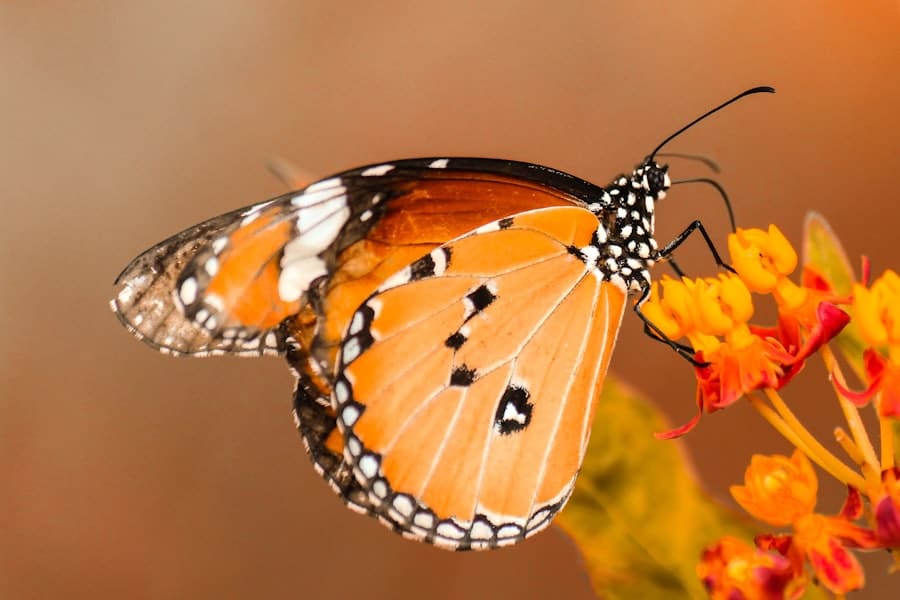
Many traditional pest control methods can harm beneficial insects and disrupt local ecosystems. For instance, broad-spectrum insecticides may kill not only the targeted pests but also pollinators like bees and butterflies that are vital for plant reproduction.
### Alternative Approaches for a Healthier Ecosystem
To mitigate this impact, you might explore integrated pest management (IPM) strategies that focus on long-term prevention through a combination of biological control, habitat manipulation, and cultural practices. You can also opt for organic pest control products that are derived from natural sources and are less harmful to the environment. These products often break down more quickly in nature and pose fewer risks to non-target species.
### Protecting Your Home and the Environment
By being mindful of your pest control methods, you contribute to a healthier ecosystem while still protecting your home from unwanted insects.
Maintenance and Monitoring: Keeping Insects from Coming Back
Once you’ve successfully dealt with an insect infestation, ongoing maintenance is crucial to prevent future problems. Regular monitoring of your home is essential; this means keeping an eye out for signs of pests such as droppings or damage to food packaging. You should also conduct routine inspections of potential entry points and make necessary repairs promptly.
By staying vigilant, you can catch any new infestations early before they escalate into larger issues. In addition to monitoring, maintaining cleanliness is vital in keeping insects at bay. Regularly decluttering your home reduces hiding spots for pests while ensuring that food sources are minimized will deter them from returning.
You might also consider implementing seasonal checks around your property—especially before warmer months when many insects become more active—to ensure that your preventive measures remain effective.
When to Call in the Pros: Signs You Need Professional Pest Control
While many pest issues can be managed independently, there are times when calling in professionals is necessary. If you notice signs of a significant infestation—such as large numbers of insects or damage to your property—it may be time to seek expert help. Additionally, if you’ve tried various DIY methods without success or if the infestation involves potentially dangerous pests like termites or wasps, professional intervention is advisable.
Another reason to consider professional pest control is if you have health concerns related to pests in your home. For example, if someone in your household has allergies or respiratory issues exacerbated by pests like cockroaches or dust mites, it’s crucial to address the problem promptly with professional assistance. By recognizing these signs early on and seeking help when needed, you can ensure a safer and more comfortable living environment for yourself and your family.
If you’re looking for professional pest control services in Knoxville, Tennessee, Miami, Florida, or Colorado Springs, Colorado, you may want to check out this article for more information. Bug Off! Effective Strategies for DIY Insect Pest Control offers great tips for managing pests on your own, but sometimes it’s best to leave it to the experts. Thrift Pest Control provides top-notch services in these areas to help keep your home pest-free.
FAQs
What are some common household insect pests?
Some common household insect pests include ants, cockroaches, spiders, mosquitoes, flies, bed bugs, and termites.
What are some DIY strategies for controlling insect pests?
Some DIY strategies for controlling insect pests include keeping a clean and tidy home, sealing up entry points, using natural repellents like essential oils, setting up traps, and using insecticidal sprays or dusts.
Are there any natural remedies for controlling insect pests?
Yes, there are several natural remedies for controlling insect pests, such as using diatomaceous earth, vinegar, baking soda, and essential oils like peppermint, lavender, and tea tree oil.
How can I prevent insect pests from entering my home?
You can prevent insect pests from entering your home by sealing up cracks and crevices, keeping doors and windows screened, maintaining a clean and clutter-free environment, and using natural repellents like citrus peels or herbs.
When should I consider hiring a professional pest control service?
You should consider hiring a professional pest control service if you have a severe infestation, if DIY methods have been ineffective, or if you are dealing with potentially dangerous pests like termites or venomous spiders.