
When you think about pest treatment, it’s essential to grasp how these methods impact the insects you’re trying to eliminate. Pest treatments, whether chemical or organic, are designed to disrupt the life cycle of pests, targeting their ability to reproduce, feed, or even survive. The active ingredients in these treatments can affect insects in various ways, from causing immediate paralysis to disrupting their hormonal systems.
As you consider pest control options, it’s crucial to understand that these treatments are not just a one-size-fits-all solution; they can have different effects depending on the type of insect and the method of application. Moreover, the effectiveness of pest treatments can vary based on environmental factors. For instance, temperature, humidity, and even the presence of other organisms can influence how well a treatment works.
When you apply a pesticide, it may not only kill the targeted pests but also affect beneficial insects in the area. This is why understanding the broader ecological impact of pest treatments is vital. You want to ensure that while you’re addressing your pest problem, you’re not inadvertently harming other beneficial species that contribute to a balanced ecosystem.
Key Takeaways
- Pest treatment can have various effects on insects, including immediate mortality, repellency, and delayed mortality.
- Common reactions of insects to pest treatment include avoidance, increased activity, and eventual mortality.
- Dead bugs may appear after pest treatment due to the residual effects of the treatment on the insect population.
- Factors contributing to the presence of dead bugs after treatment include the type of treatment used, the severity of the infestation, and the behavior of the targeted insects.
- Residual effects play a crucial role in pest treatment by continuing to control insect populations even after the initial treatment.
- Dead bugs may persist after treatment for varying lengths of time, depending on the type of treatment and the resilience of the insect species.
- Managing expectations after pest treatment involves understanding that some dead bugs may continue to appear for a period of time after treatment.
- Signs of effective pest treatment include a reduction in live insect activity, a decrease in damage caused by pests, and the presence of dead bugs.
- Concerns about dead bugs after treatment can be addressed by understanding the residual effects of the treatment and the expected timeline for insect mortality.
- If dead bugs persist after treatment, steps to take may include thorough cleaning, sealing entry points, and contacting the pest control provider for further assistance.
- Professional help for persistent pest issues should be sought when dead bugs continue to appear despite efforts to address the infestation.
Common Reactions of Insects to Pest Treatment
Initial Reactions
Many insects show signs of distress, such as erratic movements or attempts to escape, which is often a direct response to the natural substances used in the treatment.
Varying Responses
Some insects may become hyperactive before succumbing to the effects of the treatment, while others may become lethargic and eventually die. Additionally, some insects have developed resistance to certain pesticides over time, which means that when you apply a treatment, you might not see the immediate results you expect.
Adjusting Your Approach
Instead of dying off quickly, these resistant pests may continue to thrive, leading to frustration and confusion. Understanding these reactions can help you adjust your approach and choose more effective methods for dealing with your pest problem.
Why Dead Bugs May Appear After Pest Treatment
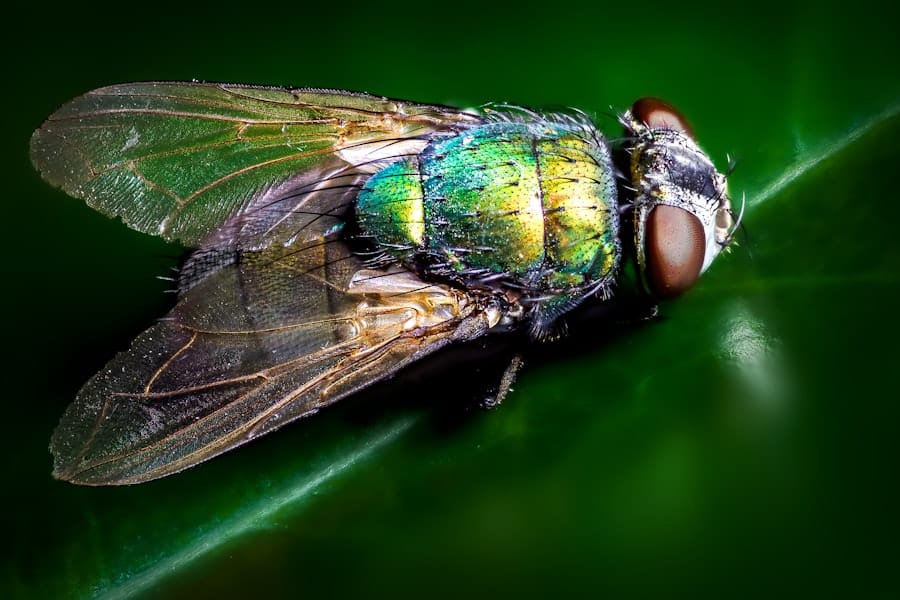
After you’ve applied a pest treatment, it’s common to find dead bugs in your home or yard. This occurrence is often a sign that the treatment is working as intended. When insects come into contact with pesticides, they may not die immediately; instead, they can take hours or even days to succumb to the effects.
This delayed reaction can lead to an accumulation of dead bugs in various areas where the treatment was applied. It’s also important to note that dead bugs can serve as indicators of the treatment’s effectiveness. If you notice an increase in dead insects following your application, it suggests that the pest control method is having an impact on the population.
However, this can also lead to concerns about cleanliness and hygiene in your living space. Understanding why these dead bugs appear can help you manage your expectations and maintain a clean environment while waiting for the treatment to take full effect.
Factors Contributing to the Presence of Dead Bugs After Treatment
Several factors contribute to the presence of dead bugs after pest treatment, and being aware of these can help you better understand what’s happening in your space. One significant factor is the type of pesticide used. Different formulations have varying modes of action and persistence in the environment.
For instance, some pesticides are designed for quick knockdown effects, while others may have residual properties that continue to affect insects long after application. Environmental conditions also play a crucial role in how quickly insects die after treatment. Temperature and humidity can influence the efficacy of pesticides; warmer temperatures may accelerate the breakdown of certain chemicals, while high humidity can enhance their effectiveness.
Additionally, the location where you applied the treatment matters. Areas with high insect activity may show more dead bugs than less frequented spots, providing insight into where your pest problem is most severe.
The Role of Residual Effects in Pest Treatment
Residual effects are an important aspect of pest treatment that you should consider when dealing with insect infestations. These effects refer to the lingering presence of pesticides in treated areas that continue to impact insects over time. When you apply a pesticide with residual properties, it doesn’t just work immediately; it can remain active for days or even weeks, providing ongoing protection against reinfestation.
Understanding residual effects can help you manage your expectations regarding pest control outcomes. If you notice dead bugs appearing days after treatment, it could be due to these residual effects still working on any remaining pests. However, it’s essential to recognize that not all treatments have strong residual properties; some may require reapplication for continued effectiveness.
By being informed about how residual effects work, you can make better decisions about follow-up treatments and maintenance.
How Long Dead Bugs May Persist After Treatment

The duration of dead bugs after treatment varies based on several factors, including the type of insecticide used and environmental conditions.
Delayed Action of Pesticides
In general, you might find dead bugs for several days or even weeks following an application. This persistence is often due to the delayed action of many pesticides; they don’t kill insects instantly but rather disrupt their biological functions over time.
Accumulation of Dead Bugs
Additionally, if you’ve treated an area with high insect activity, you may notice more dead bugs accumulating as time goes on. This can be particularly true in places where pests tend to congregate, such as kitchens or basements. While seeing dead bugs can be unsettling, it’s often a sign that your pest control efforts are having an effect.
Reassessing Your Approach
However, if you continue to see dead bugs long after treatment without any signs of improvement in pest activity, it may be time to reassess your approach.
Managing Expectations After Pest Treatment
Managing your expectations after pest treatment is crucial for maintaining peace of mind during what can be a stressful process. It’s important to understand that pest control is rarely instantaneous; it often takes time for treatments to work effectively. You might not see immediate results right after application, and that’s perfectly normal.
Instead of expecting a quick fix, focus on monitoring changes in pest activity over time. Additionally, consider that different types of pests may respond differently to treatments. Some may die off quickly while others take longer due to their life cycles or resistance levels.
By setting realistic expectations and being patient with the process, you’ll be better equipped to handle any frustrations that arise during your pest control journey.
Identifying Signs of Effective Pest Treatment
Identifying signs of effective pest treatment is essential for assessing whether your efforts are paying off. One clear indicator is a noticeable decrease in pest activity over time. If you’ve been seeing fewer live insects or noticing less damage caused by pests in your home or garden, it’s likely that your treatment is working as intended.
Another sign of effectiveness is the presence of dead bugs following treatment. While it might seem unpleasant at first glance, finding dead insects can indicate that your chosen method is successfully targeting the pest population. Additionally, if you observe fewer signs of nesting or feeding behavior from pests in treated areas, this can further confirm that your pest control measures are having a positive impact.
Addressing Concerns About Dead Bugs After Treatment
It’s natural to have concerns about dead bugs appearing after pest treatment; however, addressing these worries can help alleviate any anxiety you may feel during this process. First and foremost, remind yourself that finding dead bugs is often a sign that your treatment is effective and working as intended. While it may not be pleasant to see them lying around, their presence indicates that pests are being eliminated.
If you’re worried about cleanliness or hygiene due to dead bugs accumulating in your space, consider implementing a regular cleaning routine during this period. Vacuuming or sweeping up dead insects can help maintain a tidy environment while allowing you to monitor changes in pest activity more effectively. By taking proactive steps and understanding that dead bugs are part of the process, you can better manage your concerns.
Steps to Take if Dead Bugs Persist After Treatment
If you find that dead bugs persist long after your initial treatment without any signs of improvement in pest activity, it’s essential to take specific steps to address the situation effectively. First, evaluate whether you followed all instructions provided with the pesticide product used; improper application can lead to reduced effectiveness. Ensure that you applied the treatment evenly and thoroughly in all affected areas.
Next, consider whether the type of pesticide used was appropriate for the specific pests you’re dealing with. Some insects may require specialized treatments or different formulations for effective control. If you’re unsure about what steps to take next or if you’re still seeing live pests despite finding dead ones, it might be time to consult with a professional pest control service for further assistance.
When to Seek Professional Help for Persistent Pest Issues
Knowing when to seek professional help for persistent pest issues is crucial for effectively managing infestations in your home or garden. If you’ve tried multiple treatments without success or if you’re dealing with a particularly stubborn infestation, enlisting the expertise of a professional may be necessary. Pest control experts have access to advanced tools and techniques that can provide more effective solutions than over-the-counter products.
Additionally, if you’re experiencing health concerns related to pests—such as allergies or respiratory issues—it’s wise to consult professionals who can address both the infestation and any potential health risks associated with it. By recognizing when it’s time for expert intervention, you’ll be better equipped to tackle persistent pest problems and restore comfort and safety in your living space.
After a pest control treatment, it is not uncommon to find dead bugs around your home. According to a recent article on Thrift Pest Control’s website, this is a normal part of the process as the treatment is designed to eliminate pests from your property. The article also provides tips on how to clean up after a pest control treatment to ensure the effectiveness of the service. If you are looking for the best pest control service in Irving, Texas, be sure to check out this article for more information.
FAQs
What are common reasons for finding dead bugs after treatment?
After a pest treatment, it is normal to find dead bugs as the treatment begins to take effect. The chemicals used in the treatment may take some time to fully eliminate the pests, and during this time, dead bugs may be visible.
How long does it take for the treatment to fully eliminate the bugs?
The time it takes for a treatment to fully eliminate bugs can vary depending on the type of pest, the severity of the infestation, and the type of treatment used. In some cases, it may take a few days to a few weeks for the treatment to completely eradicate the pests.
Should I be concerned if I find dead bugs after treatment?
Finding dead bugs after treatment is a normal part of the process, and it is not necessarily cause for concern. However, if you continue to see live bugs after the expected timeframe for the treatment to take effect, it may be necessary to contact the pest control provider for further assistance.
What can I do to help the treatment be more effective?
To help the treatment be more effective, it is important to follow any instructions provided by the pest control provider. This may include removing clutter, sealing cracks and crevices, and maintaining cleanliness in the treated area. Additionally, it is important to follow any post-treatment guidelines to prevent re-infestation.