
In the realm of agriculture and gardening, pest control is a critical aspect that can determine the success or failure of your efforts. You may find yourself grappling with various pests that threaten your plants, crops, and overall garden health. While chemical pesticides have long been the go-to solution for many, there is a growing awareness of the benefits of natural pest control methods.
Insect pest control, particularly through the use of beneficial insects, offers an eco-friendly alternative that not only protects your plants but also promotes biodiversity in your garden. By understanding the roles that certain insects play in pest management, you can create a balanced ecosystem that minimizes the need for synthetic chemicals. This approach not only helps in maintaining the health of your garden but also contributes to the well-being of the environment.
As you delve into the world of beneficial insects, you will discover a variety of allies that can assist you in your quest for effective pest control. From ladybugs to parasitic wasps, these tiny creatures possess remarkable abilities that can help you manage pests naturally and sustainably.
Key Takeaways
- Insect pest control is essential for managing agricultural and garden pests.
- Ladybugs are natural predators of aphids and other soft-bodied insects, making them valuable for pest control.
- Praying mantises are efficient predators that feed on a wide range of insect pests, making them effective for natural pest control.
- Nematodes are microscopic roundworms that can be used to control soil-dwelling pests such as grubs and caterpillars.
- Lacewings are delicate insects that are effective predators of aphids and other small insects, making them valuable for pest control.
Ladybugs: Nature’s Pest Control
Effective Pest Control
Ladybugs are particularly effective because they reproduce quickly and can consume large quantities of pests in their lifetime. A single ladybug can eat up to 5,000 aphids during its life cycle, making them a powerful ally in your pest management strategy.
Creating a Welcoming Environment
By creating a welcoming environment for ladybugs—such as planting nectar-rich flowers and providing shelter—you can encourage these beneficial insects to thrive in your garden.
Enhancing Plant Health
Their presence not only helps control pests but also enhances the overall health of your plants.
Praying Mantises: Efficient Predators
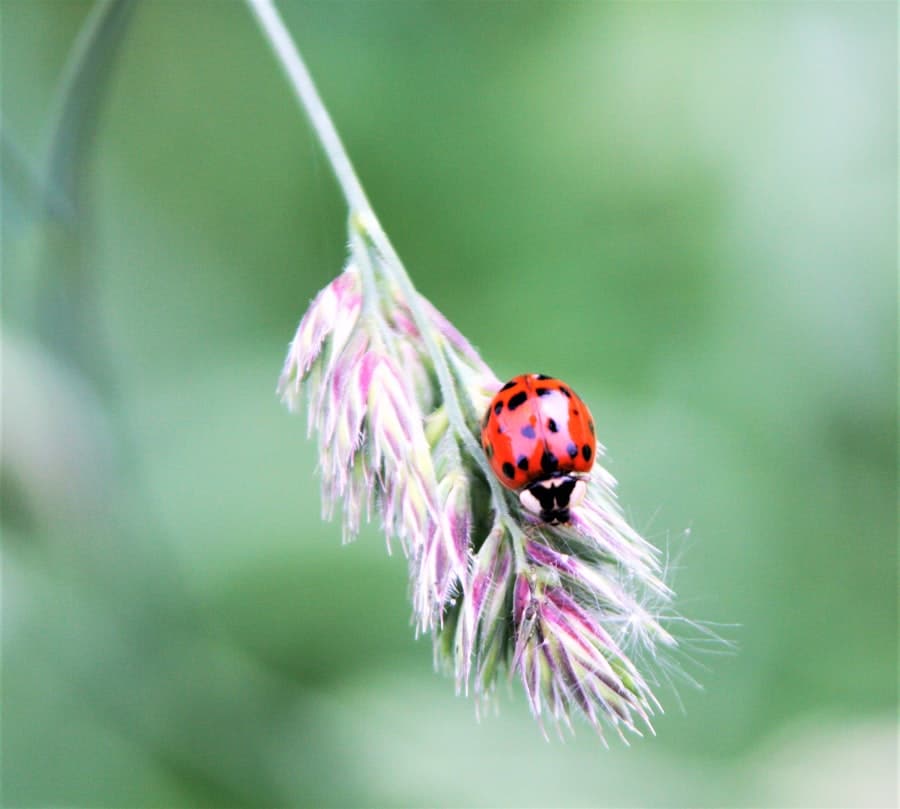
Another formidable predator in the insect world is the praying mantis. With their unique appearance and predatory behavior, these insects are often regarded as the ultimate hunters in the garden. As you observe them in action, you will notice their ability to capture and consume a wide range of pests, including caterpillars, beetles, and even other beneficial insects.
Their keen eyesight and swift movements make them highly effective at controlling pest populations. Praying mantises are not picky eaters; they will consume anything that fits within their grasp. This adaptability allows them to thrive in various environments, making them a valuable addition to your pest control arsenal.
However, it’s essential to be mindful when introducing mantises into your garden, as they may also prey on beneficial insects like ladybugs and bees. To maximize their effectiveness while maintaining a balanced ecosystem, consider using them in conjunction with other beneficial insects.
Nematodes: Tiny but Mighty
While they may be microscopic, nematodes are among the most powerful allies you can have in your pest control efforts. These tiny roundworms are natural predators of soil-dwelling pests such as grubs, root weevils, and even certain types of nematodes that can harm your plants. When you apply beneficial nematodes to your soil, you are unleashing a biological control method that targets pests at their source.
Nematodes work by entering the bodies of their hosts and releasing bacteria that kill them within a few days. This process not only reduces pest populations but also improves soil health by promoting a balanced ecosystem. As you incorporate nematodes into your pest management strategy, you’ll find that they are easy to use and highly effective.
They thrive in moist environments, so applying them during cooler parts of the day or after rainfall can enhance their efficacy.
Lacewings: Delicate Yet Effective
Lacewings may appear delicate with their intricate wings and slender bodies, but they are fierce predators when it comes to controlling pests in your garden. Known for their voracious appetite for aphids, thrips, and other soft-bodied insects, lacewing larvae are often referred to as “aphid lions.” As you introduce lacewings into your garden, you will be adding another layer of natural pest control that works harmoniously with other beneficial insects. The adult lacewing lays its eggs near aphid colonies, ensuring that the larvae have an immediate food source upon hatching.
This strategic approach allows lacewings to quickly reduce pest populations before they can cause significant damage to your plants. Additionally, lacewings are attracted to flowering plants that provide nectar and pollen, making them an excellent choice for promoting biodiversity in your garden.
Parasitic Wasps: Nature’s Biological Control
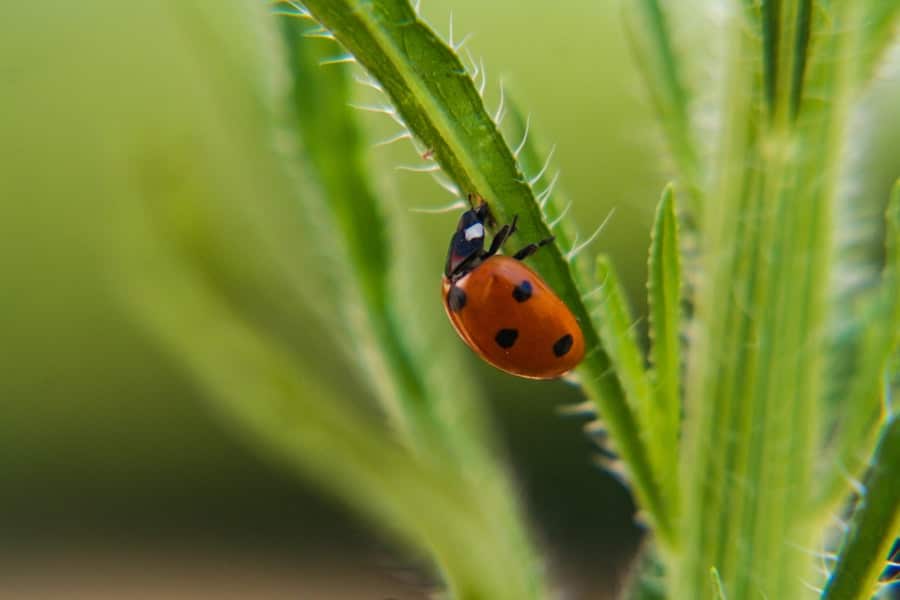
Parasitic wasps are among the most effective biological control agents available to gardeners and farmers alike. These tiny wasps lay their eggs inside or on the bodies of host pests such as caterpillars and aphids. Once the eggs hatch, the larvae feed on the host, ultimately leading to its demise.
This method of pest control is highly targeted and minimizes harm to beneficial insects and pollinators. By introducing parasitic wasps into your garden, you can effectively manage pest populations without resorting to chemical pesticides. There are various species of parasitic wasps available for different types of pests, so it’s essential to identify the specific issues you’re facing before selecting the right wasp for your needs.
As you observe these remarkable insects at work, you’ll gain a deeper appreciation for their role in maintaining ecological balance.
Dragonflies: Aerial Pest Predators
When it comes to aerial pest control, dragonflies are among nature’s most skilled hunters. With their incredible flying abilities and sharp mandibles, these insects are adept at catching mosquitoes, flies, and other flying pests mid-air. As you watch dragonflies darting through your garden or pond area, you’ll appreciate their role in keeping pest populations in check while adding beauty to your outdoor space.
Dragonflies are not only effective predators; they also contribute to the overall health of aquatic ecosystems if you have a pond or water feature in your garden. By creating habitats that attract dragonflies—such as planting native vegetation near water sources—you can encourage these beneficial insects to thrive and help control flying pests naturally.
Ground Beetles: Soil-Borne Pest Control
Ground beetles are another group of beneficial insects that play a crucial role in pest management, particularly in the soil layer of your garden. These beetles are voracious predators of various soil-dwelling pests such as slugs, grubs, and caterpillars. By introducing ground beetles into your garden ecosystem, you can effectively reduce pest populations while promoting soil health.
Ground beetles thrive in diverse habitats and are often found under rocks, logs, or leaf litter. To attract them to your garden, consider creating a welcoming environment by incorporating organic matter and minimizing soil disturbance. By fostering a habitat that supports ground beetles, you’ll be taking an important step toward sustainable pest management.
Hoverflies: Pollinators and Pest Controllers
Hoverflies are often mistaken for bees due to their similar appearance; however, they play a dual role in your garden as both pollinators and pest controllers. The larvae of hoverflies are particularly effective at consuming aphids and other soft-bodied pests, making them valuable allies in managing pest populations while simultaneously aiding in pollination. By planting flowers that attract hoverflies—such as dill, fennel, and yarrow—you can create an inviting environment for these beneficial insects.
Their presence not only helps control pests but also enhances the overall productivity of your garden by promoting pollination among flowering plants.
Tachinid Flies: Parasitic Pest Control
Tachinid flies are another group of parasitic insects that contribute significantly to biological pest control. These flies lay their eggs on or inside host pests such as caterpillars and beetles. Once hatched, tachinid larvae feed on their hosts until they eventually die.
This method of pest control is highly effective and targets specific pests without harming beneficial insects. Incorporating tachinid flies into your pest management strategy can provide long-term benefits by reducing pest populations over time. By creating a diverse ecosystem with various flowering plants that attract tachinid flies, you can enhance their presence in your garden and improve overall pest control efforts.
Harnessing the Power of Insects for Pest Management
As you explore the world of insect pest control, you’ll discover an array of beneficial insects that can help you manage pests naturally and sustainably. From ladybugs and praying mantises to parasitic wasps and tachinid flies, each insect plays a unique role in maintaining ecological balance within your garden. By embracing these natural allies, you can reduce reliance on chemical pesticides while promoting biodiversity and soil health.
Incorporating beneficial insects into your pest management strategy requires patience and observation; however, the rewards are well worth the effort. As you cultivate an environment that supports these remarkable creatures, you’ll find yourself not only protecting your plants but also fostering a thriving ecosystem that benefits both nature and yourself. Harnessing the power of insects for pest management is not just an effective approach; it is a step toward creating a healthier planet for future generations.
If you are looking for the best pest control service in Baton Rouge, Louisiana, Bellevue, Washington, or Kansas City, Missouri, you may want to consider using insects as a natural form of pest control. In fact, a recent article on Thrift Pest Control discusses the benefits of using insects such as ladybugs, lacewings, and praying mantises to help control pests in your home or garden. These beneficial insects can help reduce the need for harmful chemical pesticides and provide a more environmentally friendly solution to pest control.
FAQs
What is an insect that can be used as pest control?
One example of an insect that can be used as pest control is the ladybug, also known as the ladybird beetle. Ladybugs are natural predators of aphids, mites, and other small insects that are considered pests in gardens and agricultural fields.
How do ladybugs help with pest control?
Ladybugs help with pest control by feeding on aphids, mites, and other small insects that can damage crops and plants. They are considered beneficial insects because they can help reduce the population of harmful pests without the need for chemical pesticides.
Are there other insects that can be used for pest control?
Yes, there are other insects that can be used for pest control, such as lacewings, parasitic wasps, and predatory mites. These insects are natural predators of various pests and can be used as part of integrated pest management strategies in agriculture and horticulture.
What are the benefits of using insects for pest control?
Using insects for pest control can have several benefits, including reducing the reliance on chemical pesticides, promoting a more sustainable and environmentally friendly approach to pest management, and helping to maintain a balanced ecosystem in agricultural and natural settings.