
Termites are often referred to as “silent destroyers,” and for good reason. These small insects can cause significant damage to wooden structures, including your beloved deck, without you even realizing it until it’s too late. They thrive in warm, humid environments and can consume wood at an alarming rate, leading to structural failures that can be both costly and dangerous.
As you enjoy your outdoor space, it’s crucial to understand the threat posed by these pests and the potential havoc they can wreak on your property. The most common type of termite that poses a threat to decks is the subterranean termite. These pests live in colonies underground and can travel through mud tubes to reach their food source—your deck.
They feed on cellulose, which is found in wood, paper, and other plant materials. This means that any wooden structure, including railings, joists, and even the decking boards themselves, can become a target. Understanding the destructive power of termites is the first step in safeguarding your outdoor oasis from their insidious appetite.
Key Takeaways
- Termites can cause significant damage to decks and other wooden structures due to their destructive power.
- Signs of termite infestation on a deck include hollow-sounding wood, sagging or buckling boards, and the presence of mud tubes.
- Termites can compromise the structural integrity of a deck, leading to safety hazards and costly repairs.
- Preventing termite damage on a deck involves steps such as using termite-resistant materials and maintaining proper ventilation and drainage.
- Building a termite-resistant deck involves choosing materials such as pressure-treated wood, composite decking, or tropical hardwoods.
Signs of infestation: How to spot a termite problem on your deck
Recognizing the signs of a termite infestation early can save you from extensive damage and costly repairs. One of the first indicators you might notice is the presence of mud tubes on your deck or nearby structures. These tubes are created by termites as they travel between their underground colonies and their food sources.
If you see these pencil-sized tubes made of soil and wood particles, it’s a clear sign that termites are nearby. Another telltale sign is the appearance of hollow-sounding wood. If you tap on your deck and hear a dull thud instead of a solid sound, it may indicate that termites have been munching away inside the wood.
Additionally, look for discarded wings around your deck area; swarmers shed their wings after mating, leaving them behind as they search for new nesting sites. By being vigilant and knowing what to look for, you can catch a termite problem before it escalates into a full-blown infestation.
The risks to your deck: How termites can compromise the structural integrity
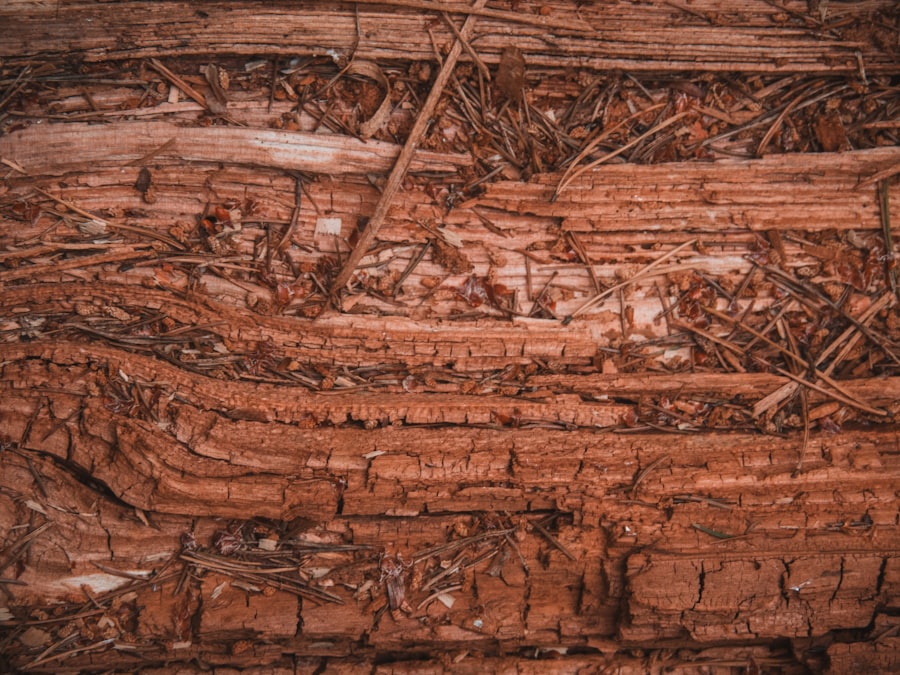
The risks posed by termites extend far beyond mere cosmetic damage; they can severely compromise the structural integrity of your deck. As these pests consume the wood, they weaken its load-bearing capacity, which can lead to sagging or even collapse over time. Imagine hosting a summer barbecue only to find that your deck is no longer safe for guests due to hidden termite damage.
This scenario is not just inconvenient; it can also pose serious safety hazards. Moreover, the damage caused by termites is often not covered by standard homeowner’s insurance policies, leaving you to foot the bill for repairs. The cost of replacing structural components of your deck can quickly add up, especially if extensive damage has occurred.
Understanding how termites can undermine the safety and stability of your outdoor space is essential for taking proactive measures to protect your investment.
Prevention is key: Steps to protect your deck from termite damage
Preventing termite infestations is far more effective than dealing with them after they’ve taken hold. One of the most important steps you can take is to ensure proper drainage around your deck. Termites thrive in moist environments, so keeping water away from wooden structures is crucial.
Make sure gutters are clean and functioning properly, directing water away from your deck and foundation. Another preventive measure involves using treated wood for your deck construction. Pressure-treated lumber is infused with chemicals that deter termites and other pests from making it their home.
Additionally, consider applying a protective sealant to your deck regularly; this not only enhances its appearance but also adds an extra layer of defense against moisture and pests. By taking these proactive steps, you can significantly reduce the risk of termite damage and enjoy peace of mind while using your outdoor space.
Choosing the right materials: How to build a termite-resistant deck
When building or renovating your deck, selecting the right materials is crucial in creating a termite-resistant structure. Opting for composite decking materials can be an excellent choice, as they are made from a blend of wood fibers and plastic, making them less appealing to termites. Unlike traditional wood, composite materials do not provide a food source for these pests, significantly reducing the likelihood of an infestation.
If you prefer natural wood for its aesthetic appeal, consider using naturally resistant species such as cedar or redwood. These types of wood contain natural oils that deter termites and other insects. Additionally, incorporating metal fasteners instead of traditional wood screws can help prevent moisture retention and further reduce the risk of termite attraction.
By carefully selecting materials that are less susceptible to termite damage, you can build a beautiful deck that stands the test of time.
Regular maintenance: Keeping termites at bay with proper care

Conduct Regular Inspections
Start by conducting routine inspections at least once a year; look for signs of wear and tear, such as cracks or splintering wood, which could provide entry points for termites. Pay special attention to areas where wood meets soil or where moisture tends to accumulate.
Maintain Proper Ventilation
In addition to inspections, maintaining proper ventilation around your deck is vital. Ensure that air can circulate freely beneath the structure to prevent moisture buildup, which attracts termites. Regularly cleaning your deck by removing debris such as leaves and dirt will also help minimize moisture retention and discourage pest activity.
Create a Termite-Resistant Environment
By committing to regular maintenance, you create an environment that is less hospitable to termites and more enjoyable for you.
Professional inspections: The importance of regular termite checks for your deck
While DIY inspections are valuable, enlisting the help of professionals for regular termite checks can provide an added layer of security for your deck. Pest control experts have specialized training and tools that allow them to detect infestations that may go unnoticed by the untrained eye. They can also assess any potential vulnerabilities in your deck’s construction that could make it more susceptible to termite damage.
Scheduling annual inspections with a pest control professional not only helps catch infestations early but also provides peace of mind knowing that experts are monitoring your property. They can offer tailored advice on preventive measures specific to your location and environment, ensuring that you take all necessary steps to protect your outdoor space from these destructive pests.
DIY termite control: Tips for managing termite infestations on your own
If you suspect a termite infestation on your deck but want to take matters into your own hands before calling in professionals, there are several DIY methods you can try. One effective approach involves using bait systems designed specifically for termites. These systems contain slow-acting insecticides that worker termites carry back to their colonies, ultimately eliminating the entire colony over time.
Another option is to create barriers using natural repellents such as nematodes or diatomaceous earth around the perimeter of your deck. Nematodes are microscopic worms that prey on termites, while diatomaceous earth disrupts their exoskeletons upon contact, leading to dehydration and death. While DIY methods can be effective for minor infestations, it’s essential to monitor the situation closely and seek professional help if the problem persists or worsens.
Environmental considerations: Eco-friendly options for termite control on your deck
As awareness grows about environmental sustainability, many homeowners are seeking eco-friendly options for termite control without compromising effectiveness. One such option is using borate treatments on wooden surfaces; borate is a naturally occurring mineral that acts as both a pesticide and fungicide while being safe for humans and pets when applied correctly. Another environmentally friendly approach involves introducing beneficial nematodes into your yard or garden area surrounding your deck.
These microscopic worms target termites specifically while leaving other beneficial insects unharmed. By choosing eco-friendly methods for termite control, you not only protect your deck but also contribute positively to the environment around you.
The cost of termite damage: Understanding the financial impact on your outdoor oasis
The financial implications of termite damage can be staggering if left unchecked. Repairing or replacing damaged structural components of your deck can easily run into thousands of dollars, depending on the extent of the infestation and damage incurred. Additionally, if termites have compromised other areas of your home or property, such as siding or framing, those costs will add up even further.
Beyond immediate repair costs, consider the potential loss in property value due to untreated termite damage. A home with a history of pest issues may deter potential buyers or lead them to negotiate lower offers based on perceived risks associated with future infestations. Understanding these financial impacts underscores the importance of proactive measures in protecting your outdoor oasis from termites.
Enjoying your deck worry-free: How to relax and entertain without fear of termite damage
Ultimately, the goal is to enjoy your deck without constantly worrying about potential termite damage lurking beneath the surface. By implementing preventive measures such as regular inspections, proper maintenance practices, and choosing resistant materials during construction, you create an environment where you can relax and entertain with confidence. Imagine hosting summer gatherings with friends and family on a beautiful deck that not only enhances your outdoor living space but also stands strong against pests like termites.
With diligence and care, you can transform your outdoor oasis into a worry-free haven where memories are made without fear of hidden dangers undermining its beauty and safety.
If you are looking for the best pest control service in Kansas City, Missouri, Scottsdale, Arizona, or Jacksonville, Florida, look no further than Thrift Pest Control. Their team of experts can help protect your home from a variety of pests, including termites that can damage your deck. By investing in regular pest control services, you can ensure that your outdoor oasis remains a safe and enjoyable space for years to come. Check out their website for more information on how they can help protect your home: Kansas City, Missouri, Scottsdale, Arizona, Jacksonville, Florida.
FAQs
What are termites and how do they damage decks?
Termites are small insects that feed on wood and can cause significant damage to decks by eating away at the wood, weakening its structure and potentially causing it to collapse.
How can I tell if my deck has a termite infestation?
Signs of a termite infestation on your deck may include hollow-sounding wood, sagging or buckling boards, small holes in the wood, and the presence of termite droppings or discarded wings near the deck.
What are some ways to protect my deck from termites?
To protect your deck from termites, you can use pressure-treated or naturally resistant wood, apply termite-resistant coatings or treatments, keep the area around your deck free of wood debris, and regularly inspect your deck for signs of termite activity.
Are there any environmentally friendly ways to prevent termite damage to my deck?
Yes, there are environmentally friendly options for preventing termite damage to your deck, such as using naturally resistant woods like cedar or redwood, applying non-toxic termite treatments, and maintaining a clean and dry environment around your deck.
What should I do if I suspect my deck has a termite infestation?
If you suspect your deck has a termite infestation, it’s important to contact a professional pest control service to assess the situation and recommend the best course of action for eliminating the termites and repairing any damage to your deck.