
When you think about household pests, termites might not be the first that come to mind. However, these tiny insects pose a significant threat to your home and wooden structures. Termites are often referred to as “silent destroyers” because they can chew through wood, flooring, and even wallpaper without you noticing until the damage is extensive.
Their ability to consume cellulose, a primary component of wood, means that they can wreak havoc on your property if left unchecked. The sheer scale of their destructive power is staggering; a colony of termites can consume a pound of wood in just a few days, leading to costly repairs and potential safety hazards. Understanding the biology and behavior of termites is crucial for you as a homeowner.
These pests live in colonies that can range from a few hundred to millions of individuals, depending on the species. They thrive in warm, moist environments, making your home an ideal target, especially if it has wooden structures or is situated near damp areas. The most common types of termites include subterranean, drywood, and dampwood termites, each with unique habits and preferences.
By familiarizing yourself with these characteristics, you can better prepare yourself to combat any potential infestations.
Key Takeaways
- Termites can cause significant damage to wooden structures, posing a threat to homeowners and businesses.
- Look for signs of termite infestation such as mud tubes, hollow-sounding wood, and discarded wings to identify a potential problem.
- Prevent termite infestations by maintaining proper ventilation, reducing moisture, and using termite-resistant wood options for construction.
- Choose termite-resistant wood such as cedar, redwood, and pressure-treated lumber to minimize the risk of termite damage.
- Regular inspections and monitoring for termite activity are crucial for early detection and prevention of infestations.
Signs of Infestation: How to Identify a Termite Problem
Recognizing the signs of a termite infestation early can save you from extensive damage and costly repairs. One of the most common indicators is the presence of mud tubes, which are small tunnels made from soil and wood that termites use to travel between their colony and food sources. If you notice these tubes along your foundation walls or in your basement, it’s a clear sign that termites are nearby.
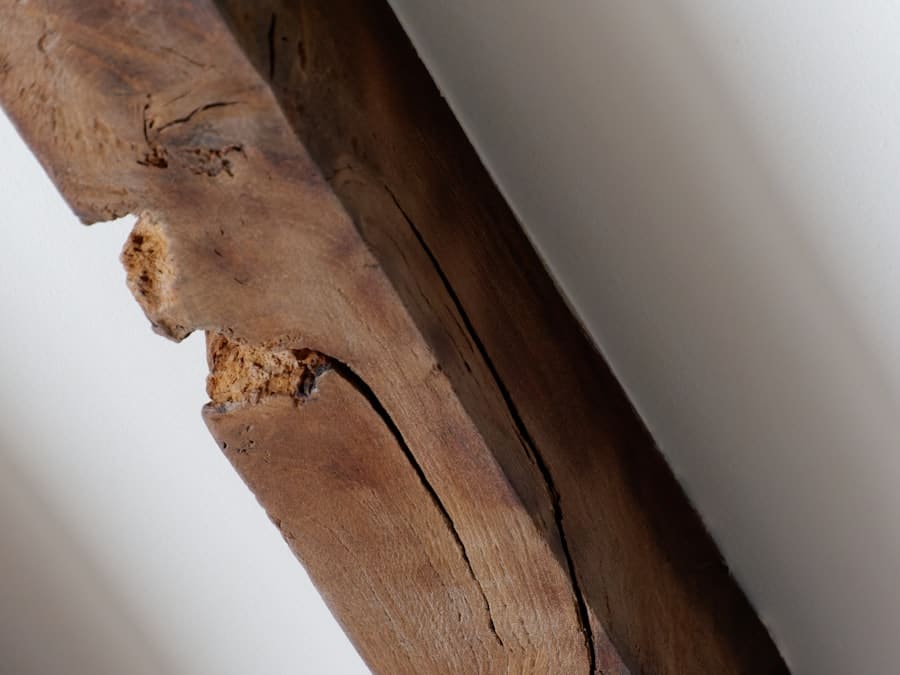
Additionally, you may find discarded wings near windows or doors, as swarmers often shed their wings after establishing new colonies. Another telltale sign is the sound of hollow wood when tapped. If you suspect that your wooden structures are compromised, gently knock on them; if they sound hollow, it could indicate that termites have been feeding inside.
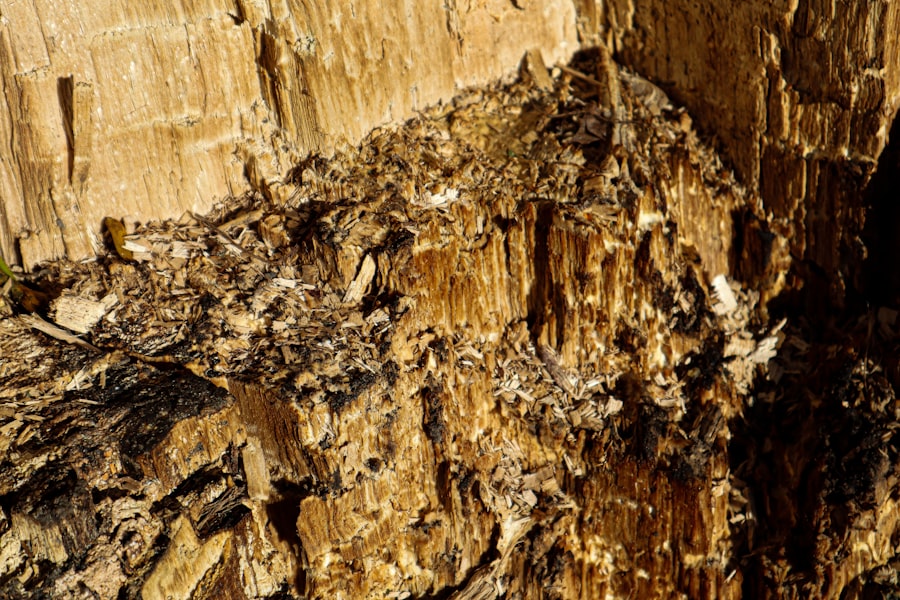
You might also notice frass, which is termite droppings that resemble small pellets or sawdust. If you see any of these signs, it’s essential to act quickly to assess the situation and take appropriate measures.
Prevention is Key: Steps to Protect Your Wooden Investments
Taking proactive steps to prevent termite infestations is crucial for safeguarding your wooden investments. One of the most effective methods is to ensure proper drainage around your home. Termites thrive in moist environments, so it’s essential to direct water away from your foundation by maintaining gutters and downspouts.
Additionally, consider using landscaping techniques that minimize moisture accumulation near your home’s perimeter. Another preventive measure involves sealing any cracks or crevices in your home’s foundation and walls. Termites can enter through even the smallest openings, so caulking gaps around windows and doors can significantly reduce their chances of gaining access.
Furthermore, storing firewood and other wooden materials at least 20 feet away from your home can help deter these pests from making your property their home.
Choosing the Right Wood: Termite-Resistant Options for Construction
When building or renovating your home, selecting termite-resistant materials can be a game-changer in preventing infestations. Certain types of wood are naturally resistant to termites due to their chemical composition. For instance, cedar and redwood contain natural oils that deter these pests, making them excellent choices for outdoor structures like decks and fences.
Additionally, pressure-treated lumber is infused with chemicals that provide an extra layer of protection against termites. Incorporating composite materials into your construction plans can also be beneficial. These materials are made from a blend of wood fibers and plastic, making them less appealing to termites while offering durability and low maintenance.
By choosing the right materials from the outset, you can significantly reduce the risk of termite damage in the long run.
Regular Inspections: The Importance of Monitoring for Termite Activity
Regular inspections are vital for maintaining a termite-free environment in your home. By conducting routine checks, you can catch any signs of infestation early on and take action before significant damage occurs. It’s advisable to inspect areas where wood meets soil, such as basements and crawl spaces, as these are prime locations for termite activity.
Look for mud tubes, frass, or any signs of wood damage during these inspections. In addition to self-inspections, consider scheduling professional inspections at least once a year. Pest control experts have the training and tools necessary to identify potential issues that may go unnoticed by an untrained eye.
By being proactive about inspections, you can ensure that your home remains safe from the destructive power of termites.
Treatment Options: How to Eliminate an Existing Termite Infestation
If you discover that your home has been infested with termites, it’s crucial to act swiftly to eliminate them before they cause further damage. There are several treatment options available, ranging from chemical solutions to more environmentally friendly methods. One common approach is the use of liquid termiticides, which create a barrier around your home to prevent termites from entering.
These chemicals can be applied by professionals who understand how to effectively treat infestations. Another option is baiting systems that attract termites and deliver a slow-acting insecticide back to their colony. This method not only targets the visible pests but also helps eliminate the entire colony over time.
For those seeking eco-friendly alternatives, there are also natural treatments available, such as nematodes—microscopic worms that prey on termites—or borate solutions that disrupt termite digestion without harming the environment.
Working with Professionals: Hiring a Pest Control Company for Termite Management
When dealing with a termite infestation, enlisting the help of professionals can make all the difference in effectively managing the problem. Pest control companies have specialized knowledge and experience in identifying and treating termite issues. They can conduct thorough inspections to assess the extent of the infestation and recommend appropriate treatment options tailored to your specific situation.
Moreover, professionals often provide ongoing monitoring services to ensure that any potential re-infestations are caught early. This peace of mind allows you to focus on other aspects of home maintenance while knowing that experts are keeping an eye on your property’s health.
DIY Prevention: Steps Homeowners Can Take to Deter Termites
While professional help is invaluable when dealing with infestations, there are several DIY prevention strategies you can implement as a homeowner. One effective method is to maintain proper ventilation in crawl spaces and attics to reduce moisture levels—termites thrive in damp environments. Installing vents or using dehumidifiers can help keep these areas dry.
Additionally, consider using mulch sparingly in your landscaping; while it can enhance curb appeal, it also provides an inviting habitat for termites if it’s too close to your home’s foundation. Instead, opt for gravel or stone as ground cover near your house. By taking these simple steps, you can significantly reduce the likelihood of attracting termites.
Environmental Considerations: Eco-Friendly Approaches to Termite Control
As awareness grows about environmental issues, many homeowners are seeking eco-friendly approaches to pest control, including termite management. Fortunately, there are several environmentally responsible options available for treating and preventing termite infestations. For instance, using borate-based treatments is an effective way to deter termites without introducing harmful chemicals into your home or garden.
Another eco-friendly method involves using physical barriers during construction or renovation projects. Steel mesh or sand barriers can be installed around foundations to prevent termites from accessing wooden structures without relying on chemical treatments. By choosing sustainable options for termite control, you not only protect your home but also contribute positively to the environment.
Protecting Outdoor Structures: Preventing Termite Damage to Decks, Fences, and Sheds
Outdoor structures like decks, fences, and sheds are particularly vulnerable to termite damage due to their exposure to moisture and soil contact. To protect these investments, consider using termite-resistant materials during construction or applying protective coatings regularly. For instance, sealing wooden surfaces with waterproof stains can help keep moisture at bay while deterring termites.
Regular maintenance is also essential for outdoor structures; inspect them frequently for signs of wear or damage that could attract termites. Keeping vegetation trimmed back from these structures will reduce moisture accumulation and improve airflow around them—factors that make them less appealing to pests.
Long-Term Maintenance: Strategies for Preserving Wooden Investments from Termite Damage
Long-term maintenance is key to preserving your wooden investments from termite damage over time. Establishing a routine inspection schedule will help you catch any potential issues early on before they escalate into significant problems. Additionally, maintaining proper drainage around your property will minimize moisture buildup—one of the primary factors that attract termites.
Consider implementing regular treatments with eco-friendly pest deterrents as part of your maintenance plan. This proactive approach will not only protect your wooden structures but also give you peace of mind knowing that you’re taking steps to safeguard your investment against these destructive pests. By combining vigilance with preventive measures, you can enjoy your wooden investments for years without fear of termite damage.
If you are looking for the best pest control service in Modesto, California, look no further than Thrift Pest Control. Their team of experts can help protect your wooden investments from destructive pests like termites. By implementing preventative measures and regular inspections, you can ensure that your property remains safe and termite-free. Don’t wait until it’s too late, contact Thrift Pest Control today for all your pest control needs.
FAQs
What are termites?
Termites are small, pale insects that feed on wood and can cause significant damage to wooden structures.
How do termites damage timber?
Termites feed on the cellulose found in wood, which can weaken the structure of timber and cause it to become brittle and prone to breaking.
How can I protect my wooden investments from termites?
There are several methods to protect wooden investments from termites, including using termite-resistant timber, applying chemical treatments, and maintaining proper ventilation and moisture control.
What are some signs of termite infestation in timber?
Signs of termite infestation in timber include hollow-sounding wood, small holes in the wood, sagging floors, and the presence of termite droppings or discarded wings.
How often should I inspect my wooden investments for termite damage?
It is recommended to inspect wooden investments for termite damage at least once a year, and more frequently in areas with high termite activity.
Are there any natural methods to protect timber from termites?
Some natural methods to protect timber from termites include using cedar or redwood, which are naturally resistant to termites, and applying non-toxic treatments such as orange oil or neem oil.