
Pest invasion is a phenomenon that can disrupt your peace of mind and compromise the comfort of your living space. Whether it’s ants marching across your kitchen counter or rodents scurrying in the attic, these unwelcome guests can create a sense of unease. Understanding the dynamics of pest invasions is crucial for effective management and prevention.
You may find yourself wondering why these creatures choose your home over others, and what you can do to keep them at bay. The reality is that pest invasions are not merely random occurrences; they are often driven by specific behaviors and environmental factors. By delving into the world of pests, you can gain insights into their habits and preferences, which will empower you to take proactive measures.
This article will explore various aspects of pest behavior, entry points, and the factors that contribute to infestations, equipping you with the knowledge needed to safeguard your home.
Key Takeaways
- Pest invasion can be influenced by various factors such as weather, human activity, and food sources.
- Understanding pest behavior and biology is crucial in effectively preventing and managing infestations.
- Common entry points for pests include cracks, gaps, and openings in walls, windows, and doors.
- Scent and odor play a significant role in attracting pests, making proper sanitation and waste management essential.
- Pests utilize visual cues to find entry points, making it important to seal potential entryways and eliminate attractants.
Understanding Pest Behavior and Biology
To effectively combat pests, it’s essential to understand their behavior and biology. Each species has unique characteristics that dictate how they interact with their environment. For instance, some pests are nocturnal, preferring to forage for food under the cover of darkness, while others are diurnal and active during the day.
By recognizing these patterns, you can better anticipate their movements and take appropriate action. Moreover, the biology of pests plays a significant role in their survival and reproduction. Many pests have developed remarkable adaptations that allow them to thrive in various conditions.
For example, cockroaches can survive for weeks without food, while certain ants can carry objects many times their own weight. Understanding these biological traits can help you appreciate the challenges involved in pest control and the importance of implementing effective strategies.
Common Entry Points for Pests
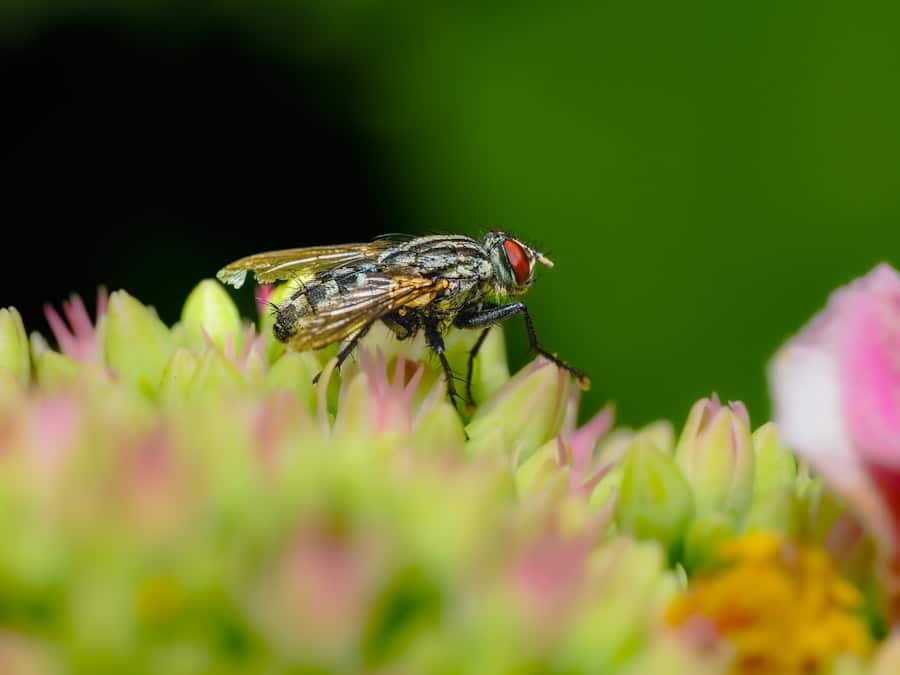
Pests are resourceful creatures that can exploit even the smallest openings to gain access to your home. Identifying common entry points is a crucial step in preventing infestations. Cracks in walls, gaps around windows and doors, and holes in screens are all potential gateways for pests seeking shelter or food.
You may not realize how easily these tiny openings can be overlooked, but they serve as invitations for unwanted visitors. In addition to structural vulnerabilities, plumbing and electrical lines can also provide pathways for pests. Rodents, for instance, can squeeze through surprisingly small spaces, while insects may follow utility lines into your home.
By conducting a thorough inspection of your property and sealing off these entry points, you can significantly reduce the likelihood of a pest invasion.
The Role of Scent and Odor in Pest Attraction
Scent plays a pivotal role in attracting pests to your home. Many insects and rodents rely heavily on their sense of smell to locate food sources and suitable habitats. For example, ants are drawn to sugary substances, while cockroaches are attracted to grease and decaying organic matter.
By understanding what scents attract pests, you can take steps to minimize these odors in your living space. You might be surprised to learn that even the scent of your home can influence pest behavior. Certain fragrances from household products or cooking can act as lures for pests.
Keeping your kitchen clean and free from food debris is essential in reducing these enticing odors. Additionally, using airtight containers for food storage can help eliminate scent trails that attract pests into your home.
How Pests Utilize Visual Cues to Find Entry Points
While scent is a significant factor in pest attraction, visual cues also play a crucial role in guiding pests toward entry points. Many insects have keen eyesight that allows them to detect movement and changes in their environment. For instance, flying insects like flies and wasps are often drawn to brightly colored flowers or light sources, which they associate with food or shelter.
You may not realize it, but the exterior of your home can send visual signals to pests as well. Overgrown vegetation, cluttered areas, or even bright outdoor lighting can create an inviting atmosphere for pests seeking refuge. By maintaining a tidy yard and minimizing potential attractants, you can reduce the likelihood of pests being drawn to your property.
The Impact of Weather and Seasonal Changes on Pest Behavior

Warmer Months and Increased Activity
During warmer months, many pests become more active as they seek food and breeding opportunities. You may notice an uptick in insect activity during spring and summer when temperatures rise and food sources become abundant.
Colder Months and Indoor Infestations
Conversely, colder months often drive pests indoors as they search for warmth and shelter. Seasonal changes also affect the life cycles of various pests. For example, many insects undergo metamorphosis, transitioning from larvae to adults during specific times of the year.
Anticipating and Preventing Infestations
Understanding these seasonal patterns can help you anticipate potential infestations and take preventive measures before they occur.
Human Activity and Its Influence on Pest Infestation
Your daily activities can inadvertently create an environment conducive to pest infestations. Simple habits such as leaving food out on countertops or neglecting regular cleaning can attract pests into your home. Additionally, outdoor activities like gardening or barbecuing may inadvertently disturb pest habitats, prompting them to seek refuge indoors.
Moreover, construction or landscaping projects can disrupt local ecosystems, pushing pests toward residential areas in search of new habitats. Being mindful of how your actions impact pest behavior is essential for maintaining a pest-free environment. By adopting proactive habits and being aware of potential attractants, you can significantly reduce the risk of infestations.
The Role of Food Sources in Attracting Pests
Food sources are perhaps the most significant factor attracting pests into your home. Many common household pests are opportunistic feeders that will take advantage of any available food supply. From crumbs left on the floor to pet food left out overnight, these small oversights can create a buffet for hungry pests.
To minimize food-related attractants, it’s essential to practice good hygiene in your kitchen and dining areas. Regularly sweeping floors, wiping down surfaces, and storing food in sealed containers can go a long way in deterring pests from invading your space. Additionally, being mindful of outdoor food sources—such as compost piles or bird feeders—can help prevent attracting unwanted guests.
Pest Adaptability and Resilience
One of the most remarkable traits of pests is their adaptability and resilience in the face of challenges. Many species have evolved over time to withstand various environmental pressures, making them difficult to eradicate once they establish themselves in your home. For instance, some insects have developed resistance to common pesticides, requiring more advanced methods for control.
This adaptability means that even with diligent efforts on your part, pests may still find ways to thrive in your environment. Understanding this resilience is crucial for developing effective pest management strategies that go beyond simple extermination methods. By combining prevention techniques with ongoing monitoring and control measures, you can create an environment that is less hospitable to pests.
Preventative Measures to Keep Pests Out
Taking proactive steps is essential for keeping pests out of your home. Regular maintenance is key; ensure that all entry points are sealed properly and that your property is free from clutter that could provide hiding spots for pests. You might also consider installing screens on windows and doors to create an additional barrier against unwanted visitors.
In addition to physical barriers, employing natural deterrents can be an effective strategy for pest prevention. Certain plants, such as mint or lavender, are known to repel insects due to their strong scents. Incorporating these plants into your landscaping can help create a less inviting environment for pests while enhancing the aesthetic appeal of your yard.
Seeking Professional Help for Persistent Pest Issues
Despite your best efforts at prevention, there may come a time when you encounter persistent pest issues that require professional intervention. If you find yourself facing an infestation that seems unmanageable or if DIY methods have proven ineffective, seeking help from pest control experts is a wise decision. Professional pest control services have access to advanced techniques and products that can effectively address infestations while ensuring safety for you and your family.
They can also provide valuable insights into ongoing prevention strategies tailored specifically to your situation. By enlisting professional help when needed, you can regain control over your living space and enjoy peace of mind knowing that you’re taking the right steps toward a pest-free home. In conclusion, understanding pest behavior, entry points, and environmental influences is essential for effective pest management.
By being proactive in your approach and seeking professional assistance when necessary, you can protect your home from unwanted invaders and maintain a comfortable living environment.
If you are struggling with pests finding their way into your home, you may want to consider reaching out to a professional pest control service like Thrift Pest Control. Their expertise in dealing with a variety of pests, as highlighted in their article on the best pest control services in Hialeah, Florida (source), and Las Vegas, Nevada (source), can help you effectively address and prevent pest infestations in your home.
FAQs
What are pests attracted to in our homes?
Pests are attracted to food, water, and shelter. They are also drawn to warmth and darkness, making our homes an ideal environment for them to thrive.
How do pests find their way into our homes?
Pests can find their way into our homes through small cracks and openings in the walls, windows, and doors. They can also be brought in through infested items such as furniture, clothing, or luggage.
Why do pests seem to have an uncanny ability to find their way into our homes?
Pests have evolved over time to be highly adaptable and resourceful in finding food and shelter. They have keen senses that allow them to detect sources of food and warmth, making it seem like they have an uncanny ability to find their way into our homes.
What are some common entry points for pests in homes?
Common entry points for pests in homes include gaps around pipes and utility lines, vents, windows, doors, and cracks in the foundation. Pests can also enter through open doors and windows.
How can homeowners prevent pests from entering their homes?
Homeowners can prevent pests from entering their homes by sealing cracks and openings, keeping food stored in airtight containers, maintaining a clean and clutter-free environment, and addressing any moisture issues. Regular pest inspections and maintenance can also help prevent infestations.