
In the realm of agriculture and horticulture, the battle against pests is a constant struggle. As you navigate through this landscape, you may find yourself seeking sustainable solutions that minimize the use of harmful chemicals. This is where biological control comes into play.
Biological control refers to the use of natural predators, parasites, or pathogens to manage pest populations. By harnessing the power of nature, you can create a more balanced ecosystem that promotes healthy plant growth while reducing reliance on synthetic pesticides. The concept of biological control is not new; it has been practiced for centuries in various forms.
However, with the increasing awareness of environmental issues and the adverse effects of chemical pesticides, there has been a resurgence of interest in this method. As you delve deeper into the world of biological control, you will discover its potential to revolutionize pest management strategies, offering a more eco-friendly approach that aligns with sustainable agricultural practices.
Key Takeaways
- Biological control pests are organisms used to control pest populations in agriculture and natural ecosystems.
- They can be classified into three main types: predators, parasitoids, and pathogens.
- Using biological control pests can reduce the need for chemical pesticides and promote sustainable pest management.
- Implementing biological control pests involves careful selection, monitoring, and integration with other pest management strategies.
- Successful examples of biological control pests include the use of ladybugs to control aphids and the introduction of parasitic wasps to control caterpillar populations.
What are Biological Control Pests?
Biological control pests are organisms that are utilized to suppress pest populations through natural predation or parasitism. These agents can be insects, mites, nematodes, or even microorganisms such as bacteria and fungi. When you think about biological control, consider the intricate relationships that exist within ecosystems.
For instance, ladybugs are well-known for their voracious appetite for aphids, making them a popular choice for controlling these common garden pests. By introducing such natural enemies into your garden or farm, you can effectively reduce pest numbers without resorting to chemical interventions. Understanding the dynamics of biological control pests requires an appreciation for the balance of nature.
Each organism plays a specific role in its ecosystem, and when you introduce a biological control agent, you are essentially leveraging these natural relationships to your advantage. This method not only targets specific pests but also minimizes the risk of harming beneficial insects and pollinators. As you explore this approach further, you will come to appreciate the complexity and effectiveness of biological control in managing pest populations.
Types of Biological Control Pests
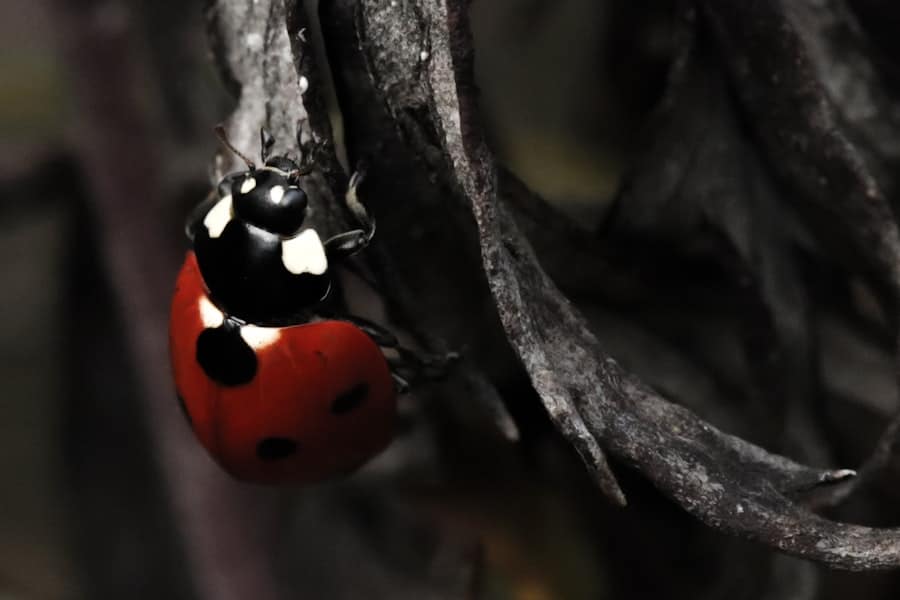
There are several categories of biological control agents that you can consider when implementing pest management strategies. Predators are perhaps the most recognizable type; these are organisms that hunt and consume their prey. For example, lacewings and predatory beetles are effective at controlling aphid populations.
Another category is parasitoids, which lay their eggs inside or on a host organism. The larvae then consume the host from the inside out, ultimately leading to its demise. Wasps that target caterpillars are a prime example of this method.
Additionally, pathogens such as bacteria, fungi, and viruses can also serve as biological control agents. These microorganisms can infect and kill pests, providing an effective means of population control. For instance, the bacterium Bacillus thuringiensis (Bt) is widely used to target caterpillars and other insect larvae.
By understanding these various types of biological control pests, you can make informed decisions about which agents will be most effective for your specific pest challenges.
Benefits of Using Biological Control Pests
The advantages of employing biological control pests are numerous and compelling. One of the most significant benefits is the reduction in chemical pesticide use. By relying on natural predators and pathogens, you can minimize the environmental impact associated with synthetic chemicals.
This not only protects beneficial insects and pollinators but also contributes to healthier soil and water systems. As you adopt biological control methods, you may find that your overall ecosystem becomes more resilient and self-sustaining. Another key benefit is the long-term effectiveness of biological control agents.
Unlike chemical pesticides that may provide only temporary relief from pests, biological control can establish a more permanent solution by creating a balanced ecosystem. Once introduced, these natural enemies can reproduce and maintain their populations, providing ongoing pest management without the need for constant intervention. This sustainable approach not only saves you time and resources but also fosters a healthier environment for your plants to thrive.
How to Implement Biological Control Pests
Implementing biological control pests requires careful planning and consideration. First and foremost, it is essential to accurately identify the pest species you are dealing with. Understanding the life cycle and behavior of your target pest will help you select the most effective biological control agent.
Once you have identified the pest, research potential natural enemies that are known to target it specifically. After selecting your biological control agents, you will need to determine the best method for introduction. This could involve releasing them directly into your garden or farm or creating conditions that encourage their natural presence.
For example, planting diverse crops can attract beneficial insects and enhance their populations. Additionally, maintaining a healthy habitat with adequate food sources and shelter will support the establishment of these natural predators. Monitoring is another crucial aspect of implementing biological control pests.
Regularly observe your garden or farm to assess the effectiveness of your chosen agents and make adjustments as needed. You may need to introduce additional agents or modify your approach based on observed results. By staying engaged in this process, you can ensure that your biological control efforts yield positive outcomes.
Examples of Successful Biological Control Pests
Case Study: Cottony Cushion Scale in California
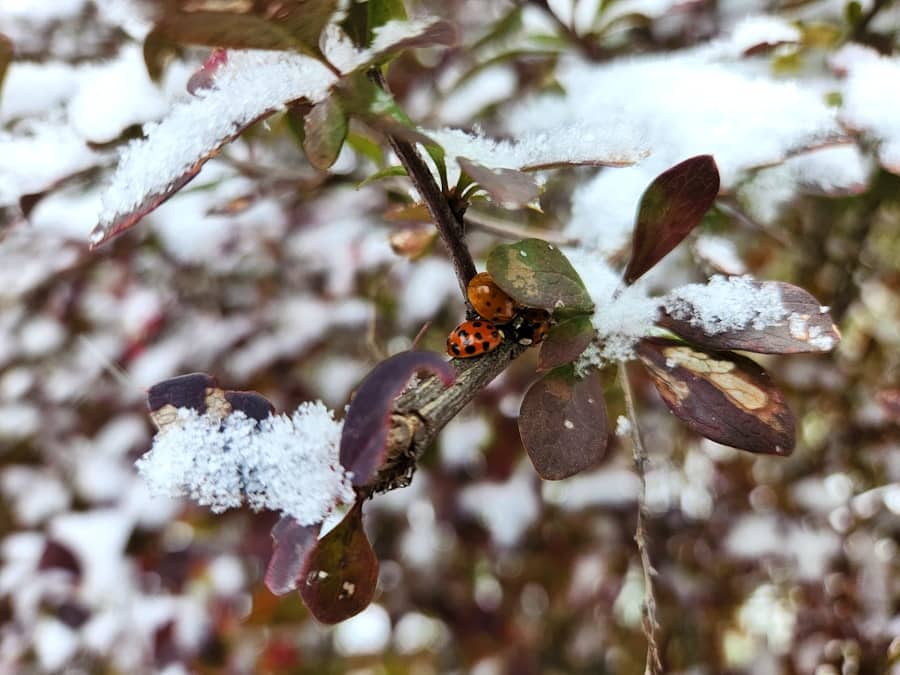
One notable example is the introduction of the vedalia beetle (Rodolia cardinalis) in California during the late 19th century to combat cottony cushion scale (Icerya purchasi) infestations in citrus orchards. The vedalia beetle proved to be an effective predator, significantly reducing scale populations and restoring balance to the ecosystem.
Biological Control in Greenhouse Settings
Another success story involves the use of parasitic wasps to control whiteflies in greenhouse settings. By introducing specific species of wasps that target whitefly larvae, growers have been able to achieve remarkable reductions in whitefly populations without resorting to chemical pesticides.
Promoting Ecological Health through Biological Control
These examples illustrate how biological control can provide effective solutions to pest problems while promoting ecological health.
Challenges and Limitations of Biological Control Pests
Despite its many advantages, biological control is not without its challenges and limitations. One significant hurdle is the time required for biological control agents to establish themselves and begin effectively managing pest populations. Unlike chemical pesticides that offer immediate results, biological control may take longer to show noticeable effects.
This delay can be frustrating for growers who are seeking quick solutions to pest problems. Additionally, there is always a risk associated with introducing non-native species into an ecosystem. If not carefully managed, these introduced agents could become invasive themselves, disrupting local ecosystems and causing unintended harm.
Therefore, it is crucial to conduct thorough research and risk assessments before implementing any biological control strategy.
Conclusion and Future of Biological Control Pests
As you reflect on the potential of biological control pests, it becomes clear that this approach offers a promising path toward sustainable pest management. By embracing natural solutions and fostering ecological balance, you can contribute to healthier agricultural practices while minimizing environmental impact. The future of biological control looks bright as research continues to uncover new methods and agents for managing pests effectively.
In conclusion, as you consider your options for pest management, remember that biological control is not just a trend; it is a vital component of sustainable agriculture that aligns with modern environmental values. By investing in this approach today, you are not only addressing immediate pest challenges but also paving the way for a more resilient agricultural landscape for generations to come. Embrace the power of nature and explore how biological control can transform your gardening or farming practices into a more harmonious endeavor with the environment.
Biological control of pests is an effective strategy that utilizes natural predators and parasites to manage pest populations, reducing the need for chemical interventions. For those interested in a comprehensive approach to pest management, the article From Lawn to Living Room: A Complete Guide to Outdoor and Indoor Pest Control provides valuable insights into various pest control methods, including biological options. This guide emphasizes the importance of integrating different strategies to maintain a pest-free environment both indoors and outdoors.
FAQs
What is biological control of pests?
Biological control of pests is a method of controlling pests using other living organisms, such as predators, parasites, and pathogens, to reduce pest populations.
How does biological control work?
Biological control works by introducing natural enemies of the pest species into the environment, which then help to reduce the pest population by feeding on or parasitizing the pests.
What are the advantages of biological control of pests?
Some advantages of biological control of pests include its environmentally friendly nature, its ability to target specific pest species, and its long-term effectiveness.
What are some examples of biological control agents?
Examples of biological control agents include ladybugs, parasitic wasps, nematodes, and certain fungi and bacteria that can be used to control pest populations.
Is biological control of pests safe for the environment and humans?
When used properly, biological control of pests is generally considered safe for the environment and humans, as it reduces the need for chemical pesticides and minimizes the risk of pesticide exposure.
What are the limitations of biological control of pests?
Some limitations of biological control of pests include the potential for non-target effects on other organisms, the time it takes for the control agents to establish and become effective, and the need for ongoing monitoring and management.