
When it comes to pest control, few issues are as pressing as a rat infestation. These rodents can wreak havoc in homes, businesses, and agricultural settings, leading to significant damage and health risks. To combat this pervasive problem, many people turn to rat poison as a solution.
Understanding rat poison is crucial for anyone dealing with these unwelcome guests. It’s not just about choosing a product; it’s about knowing how it works, its potential dangers, and the alternatives available. Rat poison is designed to eliminate rats effectively, but it is essential to approach its use with caution.
The various formulations available on the market can differ significantly in their mechanisms of action and toxicity levels. As you navigate the world of rodent control, being informed about the types of rat poison and their effects will empower you to make safer and more effective choices. This article will delve into the different types of rat poisons, how they function, their associated risks, and alternative methods for managing rodent populations.
Key Takeaways
- Rat poison is used to control rat populations and prevent damage to property and food supplies.
- There are three main types of rat poison: anticoagulant, neurotoxic, and non-anticoagulant.
- Anticoagulant rat poisons work by preventing blood clotting, leading to internal bleeding and death.
- Neurotoxic rat poisons target the nervous system of rats, causing paralysis and eventual death.
- Cholecalciferol rat poison is highly toxic and can lead to kidney failure and death in rats.
Types of Rat Poison
Anticoagulant Poisons
Anticoagulant poisons are perhaps the most widely recognized type of rat poison. They work by disrupting the blood clotting process in rodents, leading to internal bleeding and eventual death.
Neurotoxic Poisons
On the other hand, neurotoxic poisons affect the nervous system of rats, causing paralysis or seizures.
Other Compounds
Additionally, there are other compounds like bromethalin and cholecalciferol that operate through different mechanisms. Each type has its advantages and disadvantages, making it essential for you to consider factors such as safety, effectiveness, and environmental impact when choosing a rat poison.
Anticoagulant Rat Poisons

Anticoagulant rat poisons are among the most commonly used rodenticides. They function by inhibiting the synthesis of vitamin K, which is crucial for blood clotting. When rats consume these poisons, they gradually lose their ability to form clots, leading to uncontrolled bleeding.
This process can take several days, allowing the poison to remain effective even after a single feeding. There are two main generations of anticoagulant poisons: first-generation and second-generation. First-generation anticoagulants require multiple feedings to be effective, while second-generation anticoagulants are more potent and can kill with a single dose.
This difference in potency means that second-generation anticoagulants pose a higher risk of secondary poisoning to non-target animals, including pets and wildlife. As you consider using anticoagulant rat poisons, it’s crucial to weigh their effectiveness against the potential risks they pose to other creatures in your environment.
Neurotoxic Rat Poisons
Neurotoxic rat poisons represent another category of rodenticides that target the nervous system of rats. These poisons disrupt normal neurological functions, leading to symptoms such as tremors, seizures, and ultimately death. One of the most well-known neurotoxic agents is bromethalin, which affects the brain’s ability to produce energy, resulting in paralysis.
The rapid action of neurotoxic poisons can be both an advantage and a disadvantage. On one hand, they can quickly eliminate a rat problem; on the other hand, their fast-acting nature increases the risk of accidental poisoning in pets or wildlife that may consume a poisoned rat. If you opt for neurotoxic rat poisons, it’s essential to take precautions to minimize risks to non-target species while effectively addressing your rodent issue.
Bromethalin Rat Poison
Bromethalin is a potent neurotoxic rodenticide that has gained popularity due to its effectiveness against resistant rat populations. Unlike anticoagulants that require multiple feedings over several days, bromethalin acts quickly—often within 24 hours—making it an attractive option for those facing urgent infestations. The mechanism of action involves disrupting cellular energy production in the brain and liver, leading to neurological failure.
While bromethalin is effective, it is also highly toxic and poses significant risks if not used carefully. The rapid onset of symptoms means that you must be vigilant about keeping pets and children away from treated areas. Additionally, because bromethalin does not cause immediate death, there is a risk that poisoned rats may wander into areas where they could be consumed by other animals, leading to secondary poisoning.
Therefore, if you choose bromethalin as your rodent control method, ensure you follow all safety guidelines meticulously.
Cholecalciferol Rat Poison
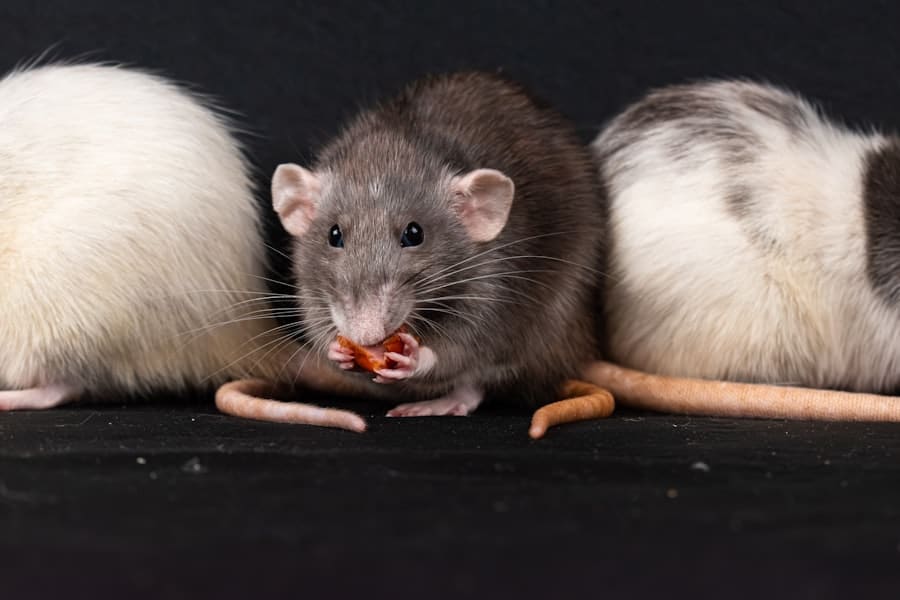
Cholecalciferol, or vitamin D3, is another type of rat poison that operates through a different mechanism than anticoagulants or neurotoxins. When ingested by rats, cholecalciferol causes an increase in calcium levels in the blood, leading to hypercalcemia. This condition can result in severe damage to organs such as the kidneys and heart, ultimately leading to death.
One of the advantages of cholecalciferol is that it is less likely to cause secondary poisoning compared to anticoagulants or neurotoxins. This makes it a somewhat safer option for environments where non-target animals may be present. However, it is still essential to handle this poison with care and ensure that it is placed in areas inaccessible to pets and wildlife.
As with any rodenticide, understanding how cholecalciferol works will help you make informed decisions about its use.
Zinc Phosphide Rat Poison
Zinc phosphide is a unique rodenticide that operates through a different mechanism than many other poisons. When ingested by rats, zinc phosphide reacts with stomach acid to produce phosphine gas, which is highly toxic and leads to respiratory failure. This method of action makes zinc phosphide particularly effective against rodents but also raises concerns about its safety.
One significant drawback of zinc phosphide is its potential for secondary poisoning. If a predator consumes a poisoned rat, it may also be affected by the toxic effects of phosphine gas. Additionally, zinc phosphide can be hazardous if not handled properly; inhalation or skin contact can lead to serious health issues for humans as well.
Therefore, if you consider using zinc phosphide as part of your rodent control strategy, ensure you follow all safety precautions and guidelines.
How Rat Poison Works
Understanding how rat poison works is crucial for anyone dealing with rodent infestations. Each type of poison has a specific mechanism that targets the biological systems of rats. Anticoagulants disrupt blood clotting processes over time, leading to internal bleeding; neurotoxins affect the nervous system rapidly; cholecalciferol causes organ failure through calcium overload; and zinc phosphide produces toxic gas upon ingestion.
The effectiveness of these poisons often depends on factors such as bait formulation and placement. For instance, some poisons are more palatable than others, making them more attractive to rats. Additionally, strategic placement in areas where rats are known to travel can significantly increase the likelihood of successful bait consumption.
As you consider using rat poison, understanding these mechanisms will help you choose the right product and use it effectively.
Dangers of Using Rat Poison
While rat poison can be an effective tool for controlling rodent populations, it comes with inherent dangers that cannot be overlooked. One of the most significant risks is accidental poisoning of non-target animals such as pets or wildlife that may consume poisoned bait or scavenged carcasses. This risk is particularly pronounced with anticoagulant and neurotoxic poisons.
Moreover, improper handling or application of rat poison can pose health risks to humans as well. Ingesting or inhaling certain rodenticides can lead to severe health complications or even death. Therefore, it’s essential to follow all safety guidelines when using these products and consider whether the benefits outweigh the potential dangers in your specific situation.
Alternatives to Rat Poison
Given the risks associated with rat poison, many people are seeking alternative methods for rodent control. Integrated pest management (IPM) strategies focus on prevention and exclusion rather than relying solely on chemical solutions. This approach includes sealing entry points in buildings, maintaining cleanliness to eliminate food sources, and using traps as a more humane way to manage rodent populations.
Additionally, natural deterrents such as peppermint oil or ultrasonic repellents can help keep rats at bay without resorting to toxic chemicals. These alternatives not only reduce risks associated with traditional poisons but also promote a healthier environment for both humans and wildlife. As you explore options for managing rodent issues, consider incorporating these alternative methods into your strategy.
In conclusion, while rat poison can be an effective solution for managing rodent infestations, it is essential to approach its use with caution and awareness of its potential dangers. Understanding the various types of rat poisons—such as anticoagulants, neurotoxins, cholecalciferol, and zinc phosphide—will empower you to make informed decisions about pest control strategies. Moreover, considering alternatives like integrated pest management can provide safer and more sustainable solutions for dealing with rodents in your environment.
By weighing the benefits against the risks and exploring various options available to you, you can effectively address your rodent issues while minimizing harm to yourself and other living creatures around you.
If you are looking for the best pest control service in Seattle, Washington, you may want to check out this article for some helpful tips. Additionally, if you are interested in the legal aspects of pest control, you can find more information on this page. And if you are located in St. Petersburg, Florida and in need of pest control services, you can find the best service provider by visiting this link.
FAQs
What are some common poisons that can kill rats instantly?
Some common poisons that can kill rats instantly include bromethalin, cholecalciferol, and anticoagulants such as brodifacoum and warfarin.
How do these poisons work to kill rats instantly?
Bromethalin and cholecalciferol are neurotoxic poisons that affect the rat’s nervous system, causing paralysis and death. Anticoagulant poisons work by preventing the rat’s blood from clotting, leading to internal bleeding and death.
Are there any risks or precautions to consider when using rat poisons?
Yes, there are risks associated with using rat poisons, including the potential for harm to non-target animals and humans. It is important to carefully follow the instructions on the product label and take precautions to prevent accidental exposure.
What are some alternative methods for controlling rat populations?
Some alternative methods for controlling rat populations include using traps, sealing entry points to prevent access, and maintaining a clean environment to remove potential food sources for rats. Additionally, working with a professional pest control service can provide effective and safe rat control options.