
In the intricate web of nature, every organism plays a role, and this is particularly true when it comes to the relationship between pests and their natural enemies. As you delve into the world of pest management, you may find that understanding these natural enemies is crucial for maintaining ecological balance. Natural enemies, which include a variety of organisms such as predatory insects, parasitic wasps, birds, and even mammals, serve as a form of biological control that can help manage pest populations without the need for synthetic chemicals.
This approach not only promotes a healthier environment but also supports sustainable agricultural practices. The concept of using natural enemies to control pests is not new; it has been practiced for centuries in various cultures around the globe. By harnessing the power of these natural predators, you can reduce reliance on chemical pesticides, which often have detrimental effects on non-target species and the environment.
As you explore this topic further, you will discover the diverse array of organisms that contribute to pest control and how they can be effectively integrated into your pest management strategies.
Key Takeaways
- Natural enemies of pests play a crucial role in controlling pest populations in agriculture.
- Predatory insects and bugs, such as ladybugs and lacewings, are effective natural enemies of pests like aphids and caterpillars.
- Parasitic wasps and flies lay their eggs on or inside pest insects, eventually killing them and reducing pest populations.
- Birds, such as sparrows and swallows, are important predators of pests like caterpillars, beetles, and grasshoppers in agricultural fields.
- Mammalian predators like bats and rodents also contribute to pest control by feeding on insects and other pests.
Predatory Insects and Bugs
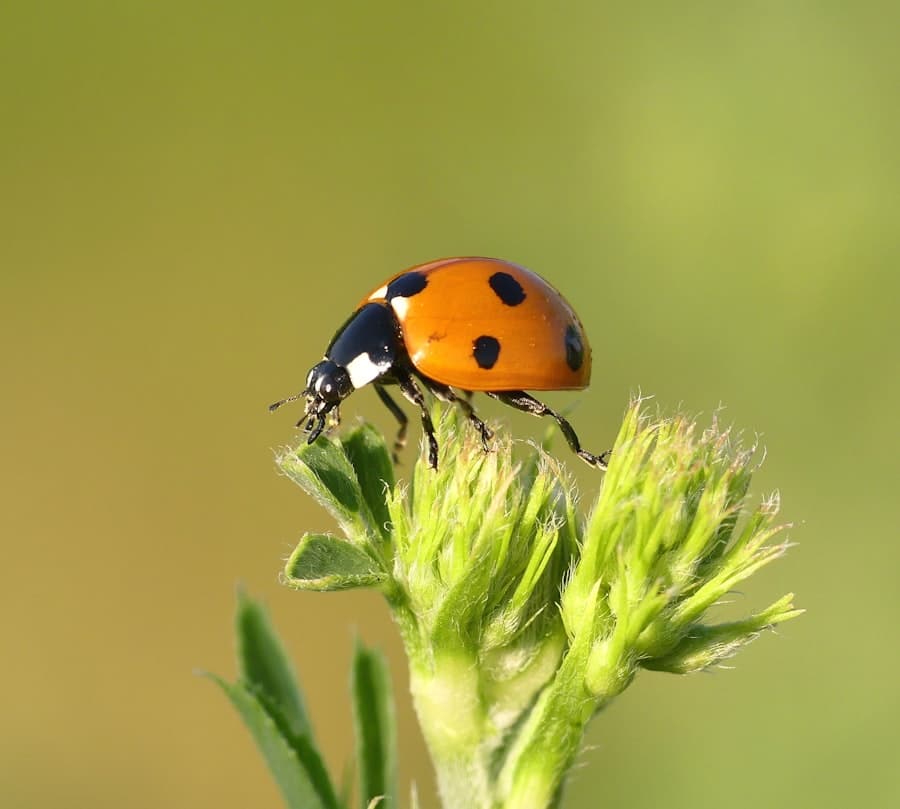
Among the most effective natural enemies of pests are predatory insects and bugs. These creatures, which include ladybugs, lacewings, and various beetles, actively hunt and consume pest species, making them invaluable allies in the fight against agricultural nuisances. For instance, ladybugs are well-known for their voracious appetite for aphids, which can devastate crops if left unchecked.
By encouraging the presence of these beneficial insects in your garden or farm, you can create a more balanced ecosystem that naturally regulates pest populations. In addition to ladybugs, other predatory insects like spiders and predatory mites also play significant roles in pest control. Spiders, often overlooked, are skilled hunters that can capture a wide range of pests, including flies and moths.
Predatory mites, on the other hand, are particularly effective against spider mites and thrips. By fostering an environment that attracts these predatory insects—such as planting diverse flora or providing shelter—you can enhance their populations and improve your pest management efforts.
Parasitic Wasps and Flies

Parasitic wasps and flies represent another fascinating group of natural enemies that can help control pest populations. These tiny creatures lay their eggs inside or on the bodies of host pests, such as caterpillars or aphids. Once the eggs hatch, the larvae feed on the host, ultimately leading to its demise.
This method of pest control is highly effective because it targets specific pest species without harming beneficial insects or plants. As you consider integrating parasitic wasps into your pest management strategy, you may find that they offer a targeted approach to controlling certain pest populations. One notable example of a parasitic wasp is the Trichogramma species, which is known for its ability to parasitize the eggs of various moths.
By releasing these wasps into your garden or agricultural fields, you can significantly reduce the number of moth larvae that emerge to feed on your crops. Similarly, parasitic flies like tachinids can help control caterpillar populations by laying their eggs on or within them. Understanding the life cycles and behaviors of these parasitic organisms can empower you to use them effectively in your pest management practices.
Birds as Pest Predators
Birds are often overlooked as natural enemies of pests, yet they play a crucial role in controlling pest populations across various ecosystems. Many bird species are adept at hunting insects and small rodents that can wreak havoc on crops and gardens. For instance, bluebirds and wrens are known for their insectivorous diets, consuming large quantities of pests such as beetles and caterpillars.
By attracting these birds to your property through birdhouses or feeders, you can create a natural pest control system that benefits both your garden and local wildlife. In addition to insects, some birds also prey on small mammals that can be detrimental to agricultural practices. Owls and hawks are particularly effective at controlling rodent populations, which can damage crops by feeding on seeds and seedlings.
By preserving natural habitats that support these birds or implementing bird-friendly practices in your farming methods, you can enhance their presence in your area and promote a healthier ecosystem overall.
Mammalian Predators of Pests
While insects and birds are often highlighted in discussions about natural pest control, mammals also play an essential role in managing pest populations. Various species, including foxes, raccoons, and weasels, actively hunt small rodents and other pests that threaten crops and gardens. These mammals are particularly effective at controlling populations of animals like voles and rabbits, which can cause significant damage if left unchecked.
By fostering habitats that attract these mammals or implementing practices that support their presence, you can benefit from their natural hunting instincts. In addition to larger mammals, smaller creatures like shrews and bats also contribute to pest control efforts. Shrews are voracious insectivores that consume vast quantities of insects daily, while bats are known for their ability to consume large numbers of moths and beetles during their nightly foraging flights.
By creating environments that encourage these mammals to thrive—such as providing shelter or minimizing pesticide use—you can enhance their populations and improve your overall pest management strategy.
Microbial Pest Control
Targeted Pest Control
For example, Bacillus thuringiensis (Bt) is a well-known bacterium that produces toxins lethal to certain caterpillars but is safe for humans and other non-target species.
Environmental Benefits
By applying microbial agents like Bt to your crops or gardens, you can effectively reduce pest populations without resorting to chemical pesticides. The use of microbial pest control not only offers an environmentally friendly alternative but also promotes soil health and biodiversity.
Comprehensive Pest Management
Additionally, microbial agents can often be applied in conjunction with other biological control methods, creating a comprehensive approach to pest management that leverages multiple natural enemies.
Natural Predators in Agriculture
Incorporating natural predators into agricultural practices is an effective way to manage pests while promoting sustainability. By understanding the specific pests that threaten your crops and identifying their natural enemies, you can create a balanced ecosystem that minimizes the need for chemical interventions. For instance, introducing beneficial insects like ladybugs or lacewings into your fields can help control aphid populations without harming other beneficial organisms.
Moreover, implementing practices such as crop rotation and intercropping can enhance the presence of natural predators in your fields. These methods not only disrupt pest life cycles but also create diverse habitats that attract beneficial insects and other natural enemies. As you adopt these strategies in your agricultural practices, you will likely notice improved pest control outcomes while fostering a healthier environment for both crops and wildlife.
The Importance of Supporting Natural Pest Enemies
Supporting natural pest enemies is essential for maintaining ecological balance and promoting sustainable agricultural practices. By recognizing the value of these organisms in controlling pest populations, you can make informed decisions about how to manage pests in your garden or farm. This may involve creating habitats that attract beneficial insects and birds or minimizing pesticide use to protect these vital allies.
Furthermore, by fostering an environment that supports natural predators, you contribute to biodiversity conservation and ecosystem health. Healthy ecosystems are more resilient to disturbances and better equipped to withstand challenges such as climate change or invasive species. As you embrace the importance of supporting natural pest enemies in your pest management strategies, you will not only enhance your own gardening or farming success but also contribute positively to the broader environment.
In conclusion, understanding and utilizing natural enemies of pests is a powerful approach to managing pest populations sustainably. From predatory insects to birds and mammals, each group plays a unique role in maintaining ecological balance. By integrating these natural predators into your pest management strategies and supporting their presence in your environment, you can create a healthier ecosystem while reducing reliance on chemical pesticides.
Embracing this holistic approach not only benefits your crops but also contributes to the overall health of our planet.
If you are looking for the best pest control service in Minneapolis, Minnesota, then you may want to check out this article that discusses the natural enemies of pests. Understanding the natural predators of common pests can help in controlling infestations in a more eco-friendly manner.
FAQs
What are natural enemies of pests?
Natural enemies of pests are organisms that naturally control pest populations by preying on them, parasitizing them, or competing with them for resources.
What are some examples of natural enemies of pests?
Examples of natural enemies of pests include predators such as ladybugs, lacewings, and spiders, as well as parasitoids such as certain species of wasps and flies. Pathogens such as certain bacteria, fungi, and viruses can also act as natural enemies of pests.
How do natural enemies of pests help control pest populations?
Natural enemies of pests help control pest populations by reducing their numbers through predation, parasitism, or competition. This can help prevent pest outbreaks and minimize the need for chemical pesticides.
What are the benefits of using natural enemies of pests for pest control?
Using natural enemies of pests for pest control can help reduce the reliance on chemical pesticides, which can have negative impacts on the environment and human health. It can also help maintain a more balanced and sustainable ecosystem.
How can natural enemies of pests be encouraged in agricultural and garden settings?
Natural enemies of pests can be encouraged in agricultural and garden settings by providing habitat and food sources for them, reducing the use of broad-spectrum pesticides, and using practices such as crop rotation and intercropping to create diverse and resilient ecosystems.